Introduction: When Ramadan Is Announced by the Sky
Ramadan does not begin with a notification.
It does not arrive through an app update or a calendar reminder.
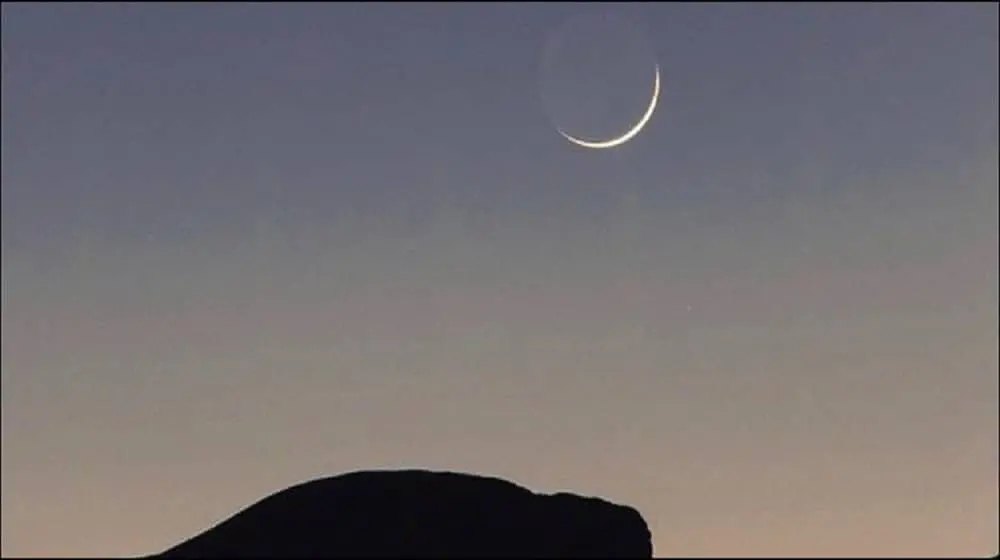
Allah chose the moon to announce this sacred month. Not clocks. Not calculations alone. Not convenience. The Ramadan moon sighting is one of the few acts of worship that forces the heart to pause, wait, and submit before acting.
Many Muslims know when Ramadan starts. Fewer reflect on why it starts this way.
This article explores Ramadan moon sighting not as a date-checking exercise, but as a spiritual signal, a forgotten Sunnah, and a quiet lesson in obedience that prepares the heart before the body fasts.
Read More : https://theorbitquran.com/contact-us/
1. Ramadan Moon Sighting Is an Act of Worship, Not a Formality
Moon sighting is not a cultural ritual.
It is an act tied directly to obedience.
The Prophet ﷺ did not begin fasting until the moon was sighted. This teaches us that worship begins with following Allah’s signs, not personal certainty or preference.
2. Quranic Guidance on Ramadan Moon Sighting
Allah says:
“They ask you about the new moons. Say: They are markers of time for people and for Hajj.” (Al-Baqarah 2:189)
The moon is not decorative. It is functional.
Allah made it a sign, and signs require attention.
3. Why Muslims Sight the Ramadan Moon
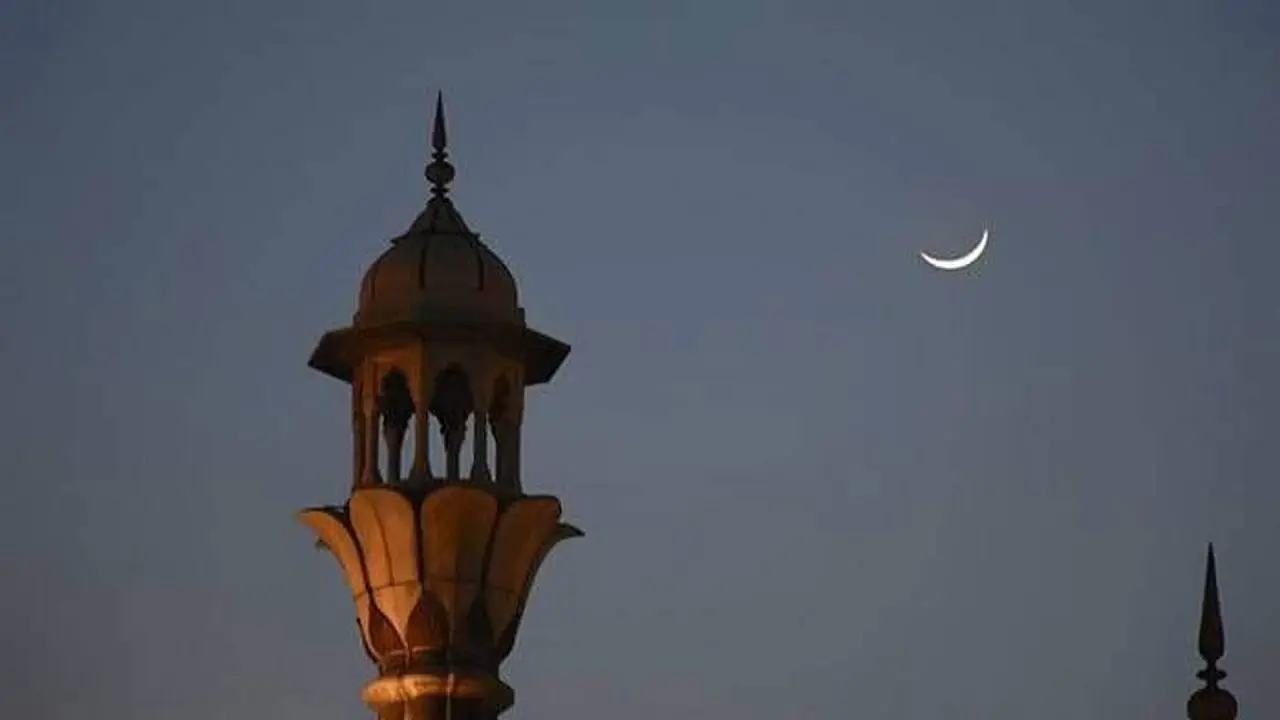
Muslims sight the Ramadan moon because Allah connected worship to observation.
This practice:
- Trains patience
- Teaches humility
- Reminds us that worship follows revelation, not routine
Read More : https://theorbitquran.com/dua-for-new-month-in-islam/
4. The Importance of Moon Sighting in Ramadan
The beginning of Ramadan is not rushed.
It is awaited.
Moon sighting slows the believer down before a month of discipline begins. This pause is intentional.
5. Moon Sighting Sunnah of the Prophet ﷺ
The Prophet ﷺ would personally observe the moon or rely on trustworthy testimony.
He did not overcomplicate it.
He did not remove it from the community.
Sunnah often lies in simplicity.
6. Hadith About Moon Sighting and Obedience
The Prophet ﷺ said:
“Fast when you see it, and break your fast when you see it.” (Muslim)
This Hadith is not about astronomy.
It is about responding to Allah’s command without delay.
7. Ramadan Moon Sighting Teaches Waiting

Modern life hates waiting.
Moon sighting requires it.
You wait. You watch. You accept uncertainty.
This prepares the heart for fasting more than food restriction ever could.
8. The Moon as a Reminder of Allah’s Control
Allah says:
“Do not prostrate to the sun or the moon, but prostrate to Allah who created them.” (Fussilat 41:37)
The moon does not control Ramadan.
Allah does.
The moon only points toward Him.
9. The Ramadan Moon Message: Prepare the Heart First
When the moon is sighted, it sends a message:
“Get ready — not physically, but spiritually.”
Ramadan does not begin with hunger.
It begins with intention.
10. Dua for Ramadan Moon Sighting (Sunnah Practice)
When the Prophet ﷺ saw the new moon, he made dua asking for faith, safety, and obedience.
This moment teaches us:
- Start Ramadan with dua, not planning
- Ask Allah for acceptance before action
Read More : https://theorbitquran.com/
11. Moon Sighting as a Moment of Community Unity
Across the world, Muslims wait together.
Even with differences in location, the act itself unites hearts in anticipation. The Ummah waits for Allah’s sign.
12. Why Moon Sighting Still Matters in the Digital Age
Apps can predict.
Calendars can estimate.
But worship is not built on prediction alone.
Moon sighting reminds us that certainty in Islam begins with submission, not technology.
13. Ramadan Moon Sighting in Saudi Arabia: A Reflection
Many Muslims follow moon sighting announcements from Saudi Arabia.
This highlights a deeper reality:
Muslims are emotionally connected to sacred spaces.
However, Islam also teaches balance — respect for scholarship, locality, and unity without argument.
14. Ramadan Moon Sighting in the USA and Other Regions
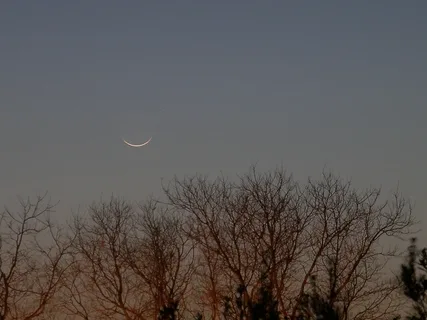
Different horizons produce different sightings.
This is not division.
It is mercy.
Islam accommodates geography without breaking brotherhood.
15. Avoiding Arguments Over Moon Sighting
Moon sighting was never meant to create hostility.
Arguing over it removes its blessing.
The purpose is obedience, not winning debates.
16. Moon Sighting and the Training of Intention
Before the first fast, the believer silently asks:
- Why am I fasting?
- Who am I fasting for?
Moon sighting opens this inner conversation.
17. Teaching Children the Sunnah of Moon Sighting
Taking children outside to look for the moon:
- Builds memory
- Passes Sunnah naturally
- Connects faith to experience
Ramadan becomes lived, not lectured.
18. Moon Sighting and Gratitude for Time
The moon measures time.
Each Ramadan is limited.
Each sighting is a reminder: this may not return for you.
19. Ramadan Moon Sighting as a Wake-Up Call
Some hearts wake up only when Ramadan begins.
Moon sighting is Allah’s gentle knock before the door opens fully.
20. The Moon as a Witness
The same moon that announces Ramadan will witness how it was spent.
Did it see effort?
Did it see sincerity?
21. Using Moon Sighting Night for Repentance
Before fasting begins, repentance should begin.
Moon sighting night is an ideal moment to return quietly to Allah.
22. Ramadan Moon Sighting 2025–2026: A Timeless Practice
In recent years, including 2025 and expected again in 2026, Muslims continue to gather for moon sighting despite modern ease.
This proves one thing:
Sunnah survives when hearts value it.
23. A Small Crescent, A Big Responsibility
The Ramadan moon is thin.
Its message is heavy.
It announces a month that can change a life — if entered with awareness.
Conclusion: Enter Ramadan the Way Allah Intended
Ramadan does not begin when the schedule says so.
It begins when the believer responds to Allah’s sign.
The moon teaches us to look up before we look inward.
To wait before we act.
To submit before we speak.
May Allah allow us to see the Ramadan moon —
and allow the Ramadan moon to see sincerity in us.