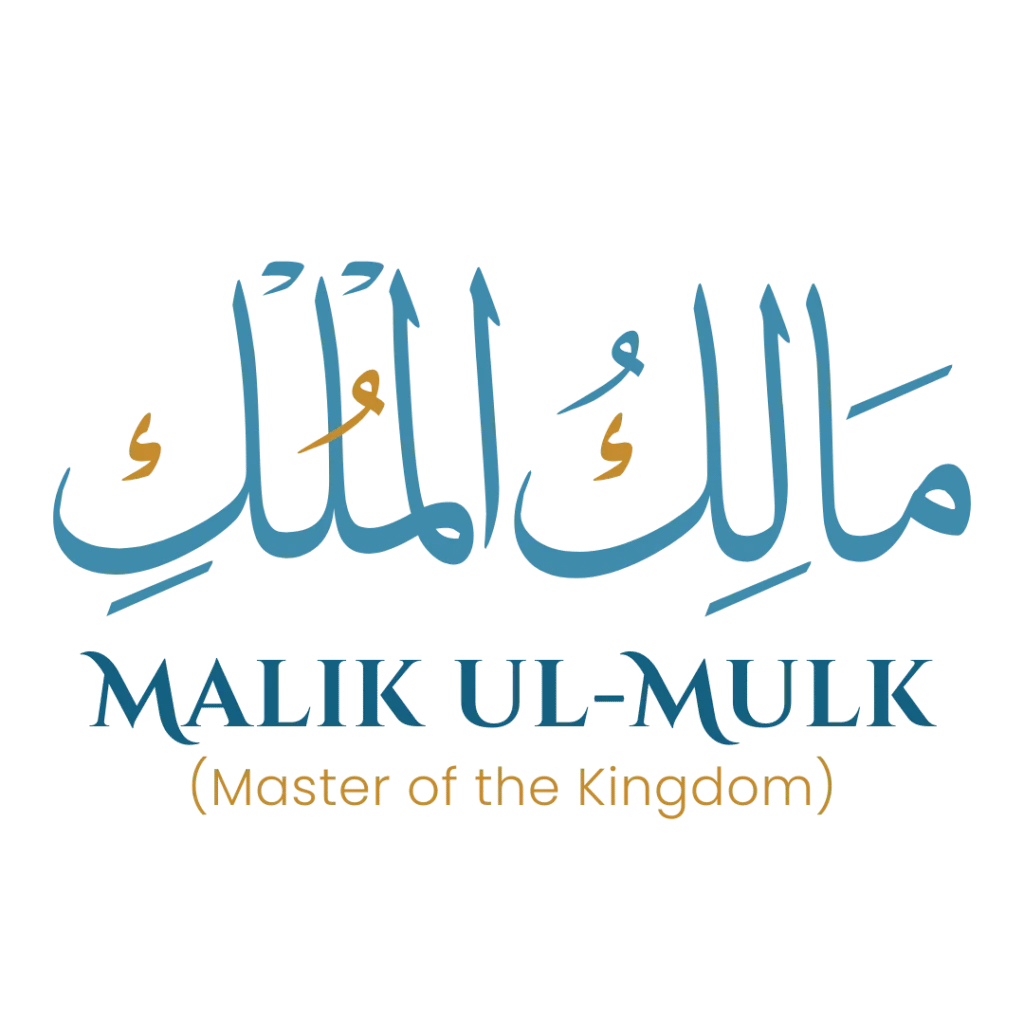
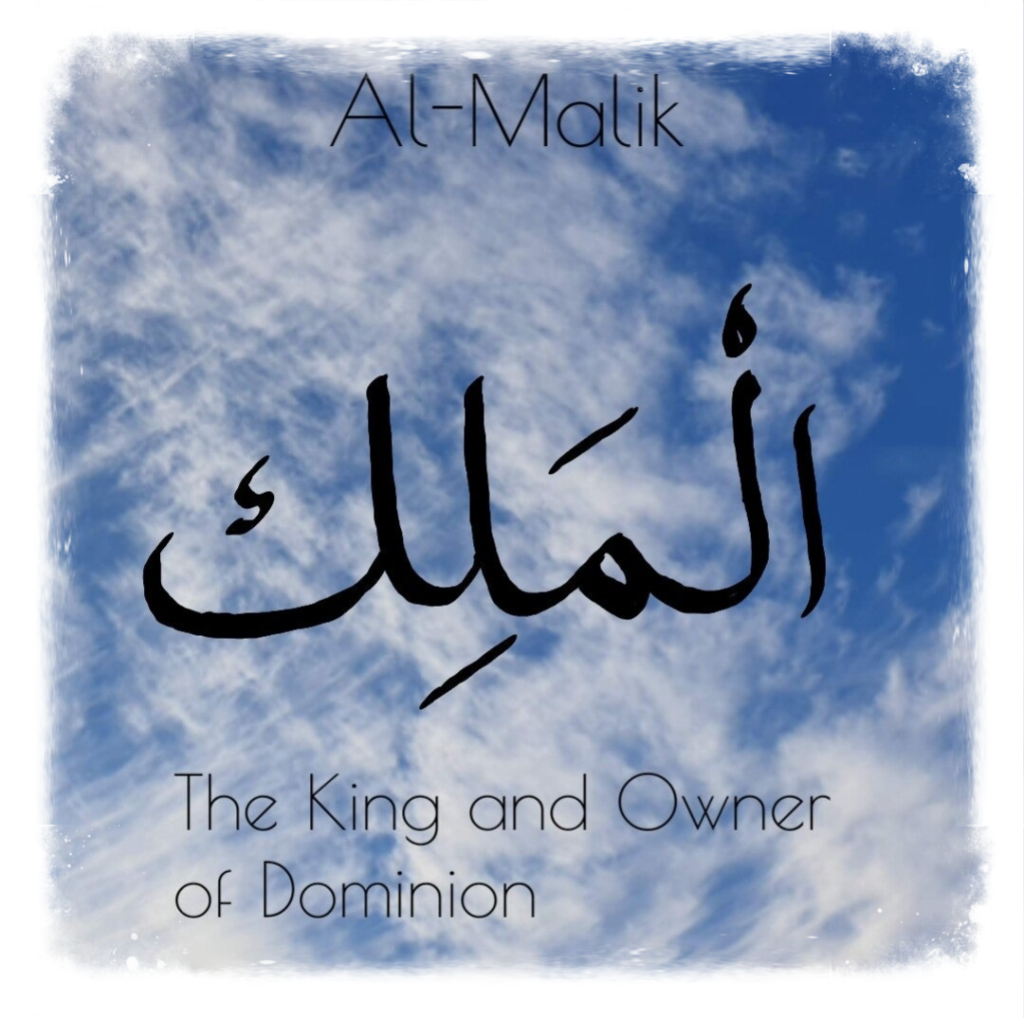
Al Malik is one of the 99 Names of Allah (Asma-ul-Husna), meaning “The King” or “The Sovereign Owner.” This Name appears throughout the Quran to remind believers that all authority, ownership, and control in the universe belong to Allah alone. Unlike earthly kings whose power is limited, borrowed, and temporary, Al Malik’s dominion has no beginning, no end, and no equal. For parents teaching children about Allah’s attributes, or students building a deeper connection with the Quran, understanding this Name opens the door to humility, trust, and true submission. In this article, we’ll explore the meaning of Al Malik, its Quranic references, and how reflecting on this attribute can transform daily worship and everyday decisions.
The Linguistic and Spiritual Meaning of Al Malik
The Arabic word Malik comes from the root “م-ل-ك” (m-l-k), a root that relates to ownership, kingship, and dominion. While a human king may rule a country or a region, Al Malik rules over everything that exists the heavens, the earth, the unseen world, and everything in between.
Scholars often place Al Malik alongside a closely related Name, Al-Maalik, which emphasizes ownership even more directly. Together, these Names teach an important truth: Allah does not simply govern creation from a distance. He owns it completely, sustains it moment by moment, and can do with it as He wills.
This is different from how we usually think of kingship. A worldly king depends on soldiers, wealth, and the loyalty of his subjects to maintain his throne. Al Malik depends on nothing. His kingdom needs no support, no army, and no permission from anyone. Every ruler who has ever existed borrowed a fraction of authority that ultimately belongs to Him.
Because of this, Islamic scholars often describe Al Malik as the Name that corrects our sense of scale. Whatever power we witness on earth a president, a company, a wealthy family is only a tiny reflection of the real, unshared authority that belongs to the King of kings.
Al Malik in the Quran
The Quran repeatedly affirms Allah’s kingship, reminding believers again and again where true power lies. One of the clearest mentions comes in Surah Al-Mu’minun:
“So exalted is Allah, the Sovereign, the Truth. There is no deity except Him, Lord of the Noble Throne.” (Quran 23:116)
Another powerful reference appears in Surah Al-Hashr, where Allah is described among a cluster of majestic Names, including Al Malik, Al-Quddus, and As-Salam (Quran 59:23). This grouping shows that kingship in Islam is never separated from purity, peace, and perfection. A worldly king can be cruel or unjust. Al Malik cannot, because His kingship is tied directly to His perfect wisdom and mercy.
The Quran also uses this theme when describing the Day of Judgment, a day when “the Kingdom, that Day, is truly for Allah” (Quran 22:56). On that day, every worldly title, every human ruler, and every claim to power will vanish completely. Only Al Malik’s authority will remain, visible and undeniable to every soul that ever lived.
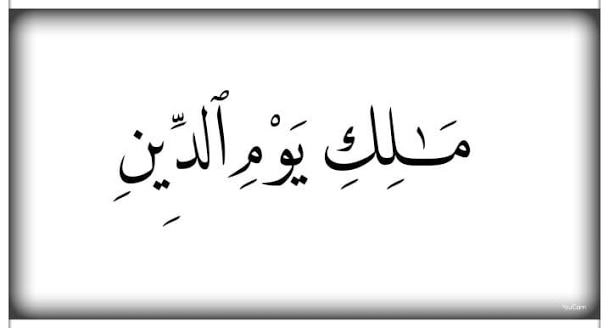
Surah Al-Fatiha, recited in every unit of prayer, also echoes this idea. Believers describe Allah as “Maliki Yawm-id-Din” — the Master of the Day of Judgment. Reciting this verse daily is, in itself, a quiet reminder of Al Malik’s ultimate authority over every outcome.
Al Malik vs Human Kingship
It helps to compare Al Malik’s kingship with human kingship directly, because the contrast is where the real lesson lies.
A human king can lose his throne through war, betrayal, or old age. Al Malik’s throne has never been threatened and never will be. A human king needs advisors, wealth, and an army to enforce his rule. Al Malik needs none of these; His command alone is enough. A human king rules over a limited territory, bordered by rivers, mountains, or treaties. Al Malik’s kingdom extends over every atom, in every corner of creation, seen and unseen.
This comparison isn’t meant to diminish human leadership the Quran does instruct believers to respect just authority. Rather, it’s meant to put that authority in its proper place. Parents, teachers, and rulers hold delegated responsibility, not independent power. Recognizing this difference is part of what makes Al Malik such a foundational concept in Islamic belief.
Why Learning About Al Malik Matters for Muslims Today
Understanding Al Malik isn’t just an academic exercise reserved for scholars. It directly shapes how a believer views life, struggles, and success.
1. It builds humility. Knowing that everything — wealth, health, status, even the air we breathe — belongs to Allah reminds us not to become arrogant about what we temporarily hold. Nothing we “own” was ever truly ours to begin with.
2. It strengthens trust (tawakkul). If Al Malik controls all outcomes, worrying excessively about the future becomes unnecessary. A Muslim learns to work hard, make good decisions, and then place full trust in the King of kings, knowing the final result rests with Him.
3. It reframes hardship. Difficulties in life are not random or meaningless. They occur within the kingdom of a Wise King who sees the full picture, even when we cannot see past our own circumstances.
4. It shapes gratitude. A subject in a generous kingdom learns to appreciate what the king provides. Believers who reflect on Al Malik often find themselves more thankful for small, everyday blessings they once overlooked.
For children learning Quran and Islamic studies, introducing Al Malik early helps them understand authority in a healthy, balanced way respecting parents and teachers, while knowing that ultimate obedience is owed to Allah alone.
Read More : theorbitquran.com
How to Reflect Al Malik in Daily Life
Reflecting on this Name isn’t only about memorizing a definition. It’s about letting the meaning shape daily habits and decisions.
- Make dua with confidence. Since Al Malik owns everything, nothing is too big or too small to ask of Him. A struggling student, a parent worried about finances, or someone facing illness can approach Him directly, without an intermediary.
- Avoid attachment to worldly titles. Wealth and status are borrowed, not owned. Reminding yourself of this reduces jealousy, pride, and the constant comparison that social media often encourages.
- Teach children respect for authority. Use the concept of Al Malik to explain why rules and boundaries — at home, in school, and in faith — exist for a good reason, and why ultimate authority still belongs to Allah.
- Recite it in dhikr. Saying “Ya Malik” during remembrance sessions can be a gentle, repeated reminder of who truly holds control over every affair.
- Practice contentment. Knowing that the King distributes provision wisely helps reduce anxiety over what others have and we don’t.
Al Malik and the Concept of True Ownership
One of the most transformative lessons tied to Al Malik is the idea that human beings are only trustees, not true owners, of what they possess. Your home, your income, your talents — all of it has been placed in your care by the real Owner, and all of it will one day return to Him.
This shifts the way believers approach wealth and responsibility. Instead of hoarding or wasting resources, a person who truly understands Al Malik tends to give more generously, knowing that everything eventually returns to its rightful King. Charity, in this light, becomes less of a sacrifice and more of a return to the true Owner what was always His.
This concept pairs naturally with lessons on Surah Al-Fatiha, where Allah is also described as “Maliki Yawm-id-Din” the Master of the Day of Judgment. Students studying Tajweed and Tafsir will often encounter this connection early in their Quran learning journey, since it reappears in nearly every prayer they perform.
Read More : Shab e Barat Dua
Common Questions About Al Malik
Is Al Malik the same as Al-Maalik?
They are closely related but carry slightly different emphases. Al Malik focuses on sovereignty and rulership, while Al-Maalik leans more toward absolute ownership. Both point to the same underlying reality: Allah’s control over creation is total and unshared.
How many times does Al Malik appear in the Quran?
Variations of the root word appear multiple times across the Quran, often paired with descriptions of the Day of Judgment or Allah’s throne, reinforcing His unmatched authority over both this world and the next.
Can I name my child after this attribute?
Many parents choose names like “Malik” as a way of connecting their child’s identity to humility before Allah’s greater kingship, rather than claiming kingship for the child. It’s a name of aspiration, not ownership.
Does believing in Al Malik change how I make decisions?
Yes. Believers who internalize this Name tend to make choices with less fear of losing status or wealth, because they recognize that everything ultimately belongs to Allah, not to them.
For a deeper, scholarly exploration of Allah’s Names, readers can also consult [LINK: Islamic education reference] for further study and verified sources.
Final Thoughts on Al Malik
Al Malik is more than a title it’s a lived reality that shapes how a believer sees the world. Every success, every trial, and every blessing exists within the boundaries of a Kingdom that belongs entirely to Allah. Teaching this Name to children and reflecting on it as adults builds a foundation of humility, gratitude, and unwavering trust.
Understanding Al Malik naturally leads students toward learning more of Allah’s Beautiful Names, deepening both their Quranic knowledge and their personal relationship with faith. As students continue their journey, connecting each Name to daily life turns memorization into meaning, and meaning into lasting worship.
Read More : Contact Us