

Reciting the sehri ki dua is a fundamental step in starting your fast. Making this intention confirms your commitment to fast from dawn until sunset for the sake of Allah. Whether you call it roza rakhne ki dua or dua for sehri, reciting these words brings focus, clarity, and peace to your morning worship.
Fasting during the holy month of Ramadan is one of the Five Pillars of Islam. Every morning before dawn, millions of Muslims wake up to eat a pre-dawn meal known as Sehri (or Suhoor). This meal provides energy to sustain the body throughout the day. More importantly, it is a time of spiritual devotion, prayer, and setting your heart toward Allah.
What is Sehri and Why is it Important?
The word “Sehri” comes from the Arabic term Suhoor, which refers to the food and drink taken before dawn by a fasting person. In Islamic tradition, Sehri is far more than a simple breakfast. It is a blessed meal full of physical and spiritual rewards.
Prophet Muhammad (PBUH) emphasized the value of eating Sehri. He stated that Allah and His angels send blessings upon those who eat this pre-dawn meal.
Key Benefits of Eating Sehri:
- Follows the Sunnah: Eating before dawn is an established practice of Prophet Muhammad (PBUH).
- Brings Barakah (Blessings): The pre-dawn hours are filled with divine mercy and peace.
- Provides Physical Energy: Consuming nutritious food helps maintain your stamina throughout long fasting hours.
- Separates Islamic Fasting: Eating Sehri distinguishes the Muslim fast from other forms of fasting.
- Time for Tahajjud: Waking up early allows you to pray voluntary night prayers (Tahajjud) before Fajr.
The Primary Dua for Sehri (Arabic & English)
In Islam, intention (Niyyat) is required for every act of worship. The intention for fasting does not need to be long or complex. The most common sehri dua for roza is simple and easy to remember.
1. Dua for Ramadan Fasting
When keeping a fast during the holy month of Ramadan, recite the following supplication:
Arabic Text
وَبِصَوْمِ غَدٍ نَّوَيْتُ مِنْ شَهْرِ رَمَضَانَ
Transliteration
Wa bi-sawmi ghadin nawaitu min shahri Ramadan.
Meaning of Roza Rakhne Ki Dua in English
“I intend to keep the fast tomorrow for the month of Ramadan.”
Breakdown of the Words in the Dua
Understanding the meaning of what you recite helps connect your heart to your words:
| Arabic Word | Transliteration | English Meaning |
| وَبِصَوْمِ | Wa bi-sawmi | And with the fast |
| غَدٍ | Ghadin | Tomorrow / Coming day |
| نَّوَيْتُ | Nawaitu | I have intended |
| مِنْ شَهْرِ | Min shahri | From the month of |
| رَمَضَانَ | Ramadan | Ramadan |
Why Intention (Niyyat) Matters in Fasting
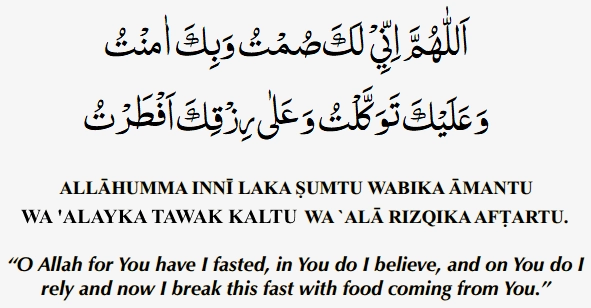
Many people wonder why reciting the sehri ki dua is so important. In Islamic jurisprudence, actions are judged by intentions.
- Distinguishes Worship from Starvation: If a person skips meals all day simply because they are busy or on a diet, it is not considered a fast (Roza). Intention turns an ordinary act of refraining from food into an act of worship.
- Prepares the Mind: Speaking or making the intention mentally sets your mind for discipline, patience, and devotion.
- Earns Divine Reward: When you state your intention for Allah, every moment of your fasting day earns spiritual rewards.
What If You Forget to Recite the Dua For Sehri?
It is common to wake up late or feel rushed right before Fajr adhan. Many believers worry if their fast is accepted if they forgot to recite the roza rakhne ki dua.
Here is what Islamic scholars clarify on this matter:
1. Intention in the Heart is Sufficient
Intention is primarily an act of the heart. If you woke up before dawn with the purpose of fasting, ate your meal, or refrained from eating because it is Ramadan, your intention is already made. Saying the sehri dua for roza out loud is recommended, but forgetting the verbal words does not break or invalidate your fast.
2. Time Limit for Intention
- For Obligatory Fasts (Ramadan): If you fell asleep and woke up after Fajr without eating anything, you can make your intention in your heart during the morning, as long as you have not eaten, drunk, or engaged in anything that breaks the fast since dawn.
- For Voluntary Fasts (Nafl): You can form the intention for a voluntary fast even up to mid-day, provided you have remained in a state of fasting since dawn.
Powerful Duas to Recite at Sehri Time
The pre-dawn hours (the last third of the night) are among the most accepted times for supplication. Along with reciting the sehri ki dua, take advantage of this peaceful time to ask Allah for your personal needs.
1. Dua for Seeking Forgiveness (Astaghfar)
This is the best time to clean your heart and ask for pardon for past sins.
- Arabic: أَسْتَغْفِرُ اللَّهَ الْعَظِيمَ الَّذِي لَا إِلَهَ إِلَّا هُوَ الْحَيَّ الْقَيُّومَ وَأَتُوبُ إِلَيْهِ
- Transliteration: Astaghfirullahal-‘Adheemal-ladhi la ilaha illa Huwal-Hayyul-Qayyumu wa atubu ilayh.
- English Translation: “I seek the forgiveness of Allah the Magnificent, whom there is no deity except Him, the Ever-Living, the Sustainer, and I repent to Him.”
2. Dua for Guidance and Mercy
- Arabic: رَبَّنَا آتِنَا مِنْ لَدُنْكَ رَحْمَةً وَهَيِّئْ لَنَا مِنْ أَمْرِنَا رَشَدًا
- Transliteration: Rabbana atina min ladunka rahmatan wa hayyi’ lana min amrina rashada.
- English Translation: “Our Lord, grant us from Yourself mercy and prepare for us from our affair right guidance.”
3. Dua for Family and Children
- Arabic: رَبَّنَا هَبْ لَنَا مِنْ أَزْوَاجِنَا وَذُرِّيَّاتِنَا قُرَّةَ أَعْيُنٍ وَاجْعَلْنَا لِلْمُتَّقِينَ إِمَامًا
- Transliteration: Rabbana hab lana min azwajina wa dhurriyyatina qurrata a’yunin waj’alna lil-muttaqina imama.
- English Translation: “Our Lord, grant us from among our wives and offspring comfort to our eyes and make us an example for the righteous.”
Complete Hourly Routine for Sehri Time
Managing your morning routine prevents stress and helps you focus on worship. Follow this simple timeline during Sehri hours:
| Time Frame | Worship & Daily Activity | Purpose & Focus |
| 45 Mins Before Fajr | Wake up & perform fresh Wudu | Start the morning clean and alert. |
| 35 Mins Before Fajr | Offer 2 to 4 Rakat Tahajjud Nafl | Spend quiet moments in deep prayer. |
| 25 Mins Before Fajr | Eat a healthy, balanced Sehri meal | Fuel your body for the upcoming fast. |
| 10 Mins Before Fajr | Drink water & finish eating | Avoid eating right up to the final second. |
| 05 Mins Before Fajr | Recite sehri ki dua & make personal Dua | Confirm your Niyyat and ask Allah for mercy. |
| Fajr Adhan Time | Stop eating completely & pray Fajr | Complete your morning obligation. |
Sunnah Habits for Sehri
Following the Sunnah of Prophet Muhammad (PBUH) adds immense reward to your morning routine. Incorporate these recommended habits into your daily life:
- Delaying the Sehri Meal: It is Sunnah to delay eating Sehri until close to Fajr time, rather than eating at midnight and going back to sleep. However, stop eating a few minutes before the Fajr adhan starts.
- Eating Dates (Khajoor): The Prophet (PBUH) specifically praised dates as an ideal food for Sehri. Dates provide quick natural energy and essential nutrients.
- Drinking Plenty of Water: Ensure you drink adequate water during Sehri to keep your body hydrated throughout the hot day.
- Cleaning Your Teeth: Brush your teeth or use a Miswak before Fajr time begins to keep your mouth fresh for prayer.
Healthy Foods for Sehri vs. Foods to Avoid
What you eat at Sehri directly affects how you feel during your fast. Choosing slow-digesting, nutrient-dense foods prevents hunger pangs, thirst, and headaches.
Best Foods to Eat:
- Complex Carbohydrates: Whole wheat roti, oatmeal, brown rice, and barley digest slowly and release energy steadily across 8 to 10 hours.
- Lean Proteins: Eggs, yogurt, milk, lentil soup (daal), and un-salted nuts keep you feeling full for longer periods.
- Healthy Fats: Avocados, olive oil, and almonds provide sustained energy reserves.
- Hydrating Fruits & Vegetables: Cucumbers, apples, melons, and bananas replenish key vitamins and minerals.
Foods to Avoid at Sehri:
| Food Category | Examples | Why You Should Avoid It |
| High Sodium / Salty Foods | Pickles, chips, processed meats, salty gravies | Causes extreme thirst within a few hours of fasting. |
| Refined Sugars | Sweets, pastries, sugary cereals, soda | Causes quick spikes and sudden drops in blood sugar, leading to fatigue. |
| Deep-Fried Foods | Samosas, pakoras, heavy greasy parathas | Triggers heartburn, indigestion, and stomach discomfort. |
| Caffeinated Drinks | Heavy coffee, strong black tea | Acts as a diuretic, causing fluid loss and dehydration. |
Common Misconceptions About Sehri and Niyyat
Understanding authentic practices prevents unnecessary stress during fasting days.
| Common Misconception | Authentic Islamic Teaching |
| “If you miss Sehri, your fast is invalid.” | Sehri is a Sunnah, not a compulsory requirement. If you miss it, your fast remains valid as long as you had the intention. |
| “You must say the dua for sehri out loud in Arabic.” | Saying the dua out loud is good, but making the intention in your heart in any language is completely valid. |
| “You can keep eating while Fajr adhan is playing.” | Eating must stop as soon as Fajr time starts. The adhan signals that fasting time has begun. |
| “Swallowing your own saliva breaks the fast.” | Swallowing normal saliva is natural and does not break or invalidate your fast in any way. |
Frequently Asked Questions (FAQs)
Can I recite the sehri ki dua in English or Urdu?
Yes. Allah understands all languages. Expressing your intention in English, Urdu, or any native tongue from the heart is completely acceptable in Islam.
What should I do if I wake up right at Fajr adhan time?
Stop eating and drinking immediately. Make your intention for fasting in your heart, perform Wudu, and offer your Fajr prayer. Your fast is valid.
Is eating dates compulsory at Sehri?
No, eating dates is not compulsory, but it is a highly rewarded Sunnah of Prophet Muhammad (PBUH) and offers great physical energy.
Does making Niyyat once for the whole month of Ramadan cover all days?
Many Islamic scholars state that making an intention for the entire month at the start of Ramadan is sufficient. However, renewing your intention every morning by reciting the sehri dua for roza is considered the best practice.
Final Thoughts
Reciting the sehri ki dua is a beautiful way to start your fasting day with clarity, devotion, and peace. By combining a healthy, balanced pre-dawn meal with a sincere roza rakhne ki dua, you prepare both your body and soul for a day of worship. Remember to keep your heart focused on Allah, seek His forgiveness during these quiet hours, and ask for blessings for your family and the global Ummah.
Looking to enhance your Quranic reading and learn Tajweed rules this season? Visit theorbitequran.com today to claim your free trial lesson with expert Quran tutors!