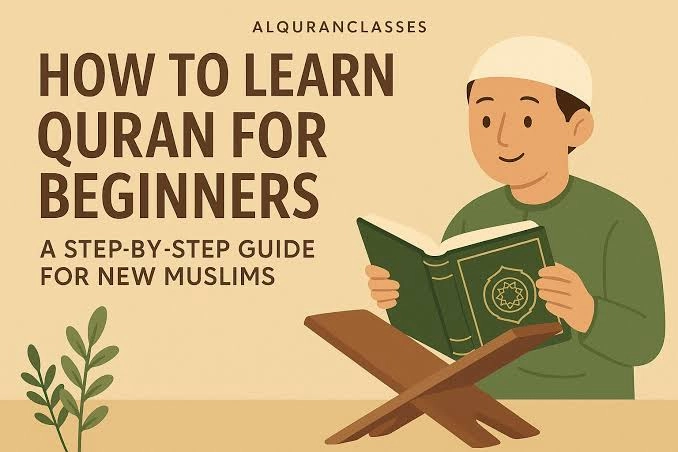
For many Muslims whether born into the faith or new to Islam reading the Quran directly in Arabic can feel like a distant goal at first. That’s where learning to read the Quran in English comes in: a practical starting point that allows you to understand and connect with Allah’s words while gradually building the skills to read the original Arabic text.
This guide walks you through exactly how to begin, what resources actually work, and how to progress from reading Quran in English translation toward confident Arabic recitation written for Muslims across the UK, USA, and Canada who are starting this journey at any age or stage of life.
Whether you grew up in a household where Arabic wasn’t spoken, reverted to Islam as an adult, or simply never had the chance to learn Quranic Arabic as a child, know that this is an extremely common starting point and one that countless Muslims before you have successfully worked through with patience and the right approach.
Why Start with English?
The Quran was revealed in Arabic, and its full linguistic beauty, rhythm, and precision can only be fully experienced in the original language. However, this doesn’t mean English has no place in the journey. In fact, Allah says in the Quran:
“Indeed, We have sent it down as an Arabic Quran that you might understand.” (Surah Yusuf, 12:2)
Understanding is the goal and for someone who doesn’t yet read Arabic, engaging with the Quran’s meaning through English translation is a legitimate and valuable starting point, not a lesser one. The Prophet ﷺ himself emphasised understanding over rote recitation without comprehension, encouraging his companions to reflect deeply on what they read.
Step 1: Start with a Reliable English Translation
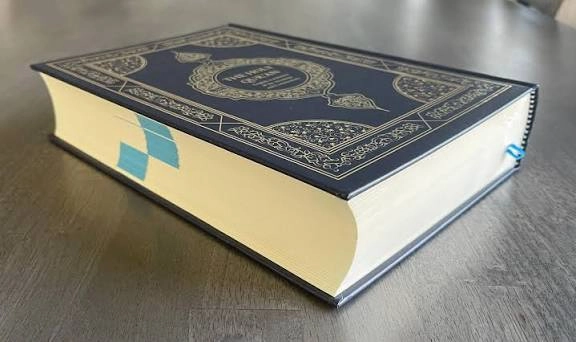
Your first step is choosing a trustworthy English translation. Not all translations are equal in accuracy or readability, so it’s worth being selective. Widely respected English translations include those by Abdullah Yusuf Ali, Muhammad Asad, and the Saheeh International translation, all of which are commonly recommended by scholars for their clarity and faithfulness to the original meaning.
Reading a surah in English first even something short like Surah Al-Fatiha or Surah Al-Ikhlas helps you build a mental and emotional connection to the meaning before layering the Arabic sounds on top later.
Read More : theorbitquran.com
Step 2: Learn the Arabic Alphabet Alongside English Translation
While reading Quran in English builds understanding, learning the Arabic alphabet (huroof) is the essential next step toward reading the Quran in its original form. Many beginners assume this requires years of study, but the Arabic alphabet itself has just 28 letters, and with consistent daily practice, most learners can recognise and sound out basic letters within a few weeks.
There are several beginner-friendly resources for this:
- Noorani Qaida — a classic, widely used beginner’s book that teaches Arabic letters, vowel sounds, and basic Tajweed rules in a structured, step-by-step format.
- Free Quran learning apps — many apps now offer interactive Arabic alphabet lessons alongside audio pronunciation guides, useful for self-paced learners.
- A local Quran class or qualified tutor — learning alongside a teacher, even briefly, helps correct pronunciation mistakes that are hard to catch on your own.
Step 3: Practise Reading with Transliteration as a Bridge
Roman English transliteration where Arabic sounds are spelled out using English letters — can be a helpful bridge tool while you’re still learning the Arabic script. For example, Surah Al-Fatiha’s opening line is often written as:
Bismillahir Rahmanir Raheem
This allows beginners to start reciting familiar surahs correctly, even before they can read Arabic script fluently. That said, transliteration should be treated as a stepping stone, not a permanent replacement, since it cannot fully capture certain Arabic letters and sounds that don’t exist in English.
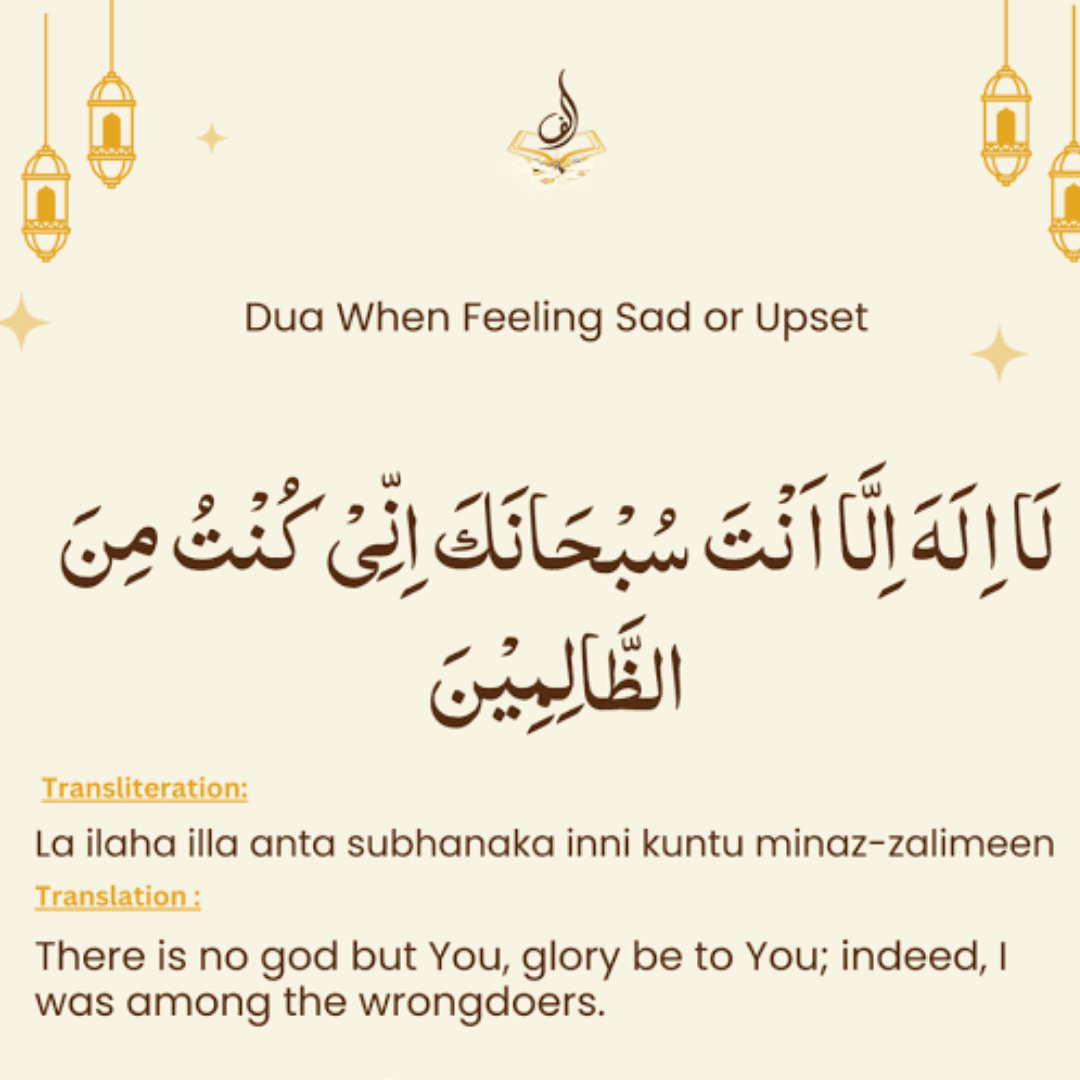
Read More :The Authentic Dua for Anxiety and Sorrow
Step 4: Focus on Tajweed Basics Early
Tajweed refers to the rules of correct Quranic pronunciation how letters should be articulated, where to pause, and how certain sounds should be elongated or softened. While full Tajweed mastery takes time, learning a few foundational rules early on prevents you from developing bad pronunciation habits that are harder to unlearn later.
Many beginner Quran classes, whether in-person or online, structure their curriculum specifically around Noorani Qaida followed by basic Tajweed a proven, time-tested path used for generations to take students from zero Arabic knowledge to confident recitation.
Step 5: Build a Simple Daily Habit
Consistency matters more than speed. Even 10–15 minutes a day reading a few lines, reviewing yesterday’s letters, or listening to a short recitation builds steady progress over weeks and months. The Prophet ﷺ said:
“The most beloved of deeds to Allah are those that are consistent, even if small.” (Sahih al-Bukhari, Hadith 6465; Sahih Muslim, Hadith 782)
This principle applies perfectly to learning the Quran. A short, daily habit will take you further than occasional long study sessions.
Choosing Between Self-Study and a Quran Class
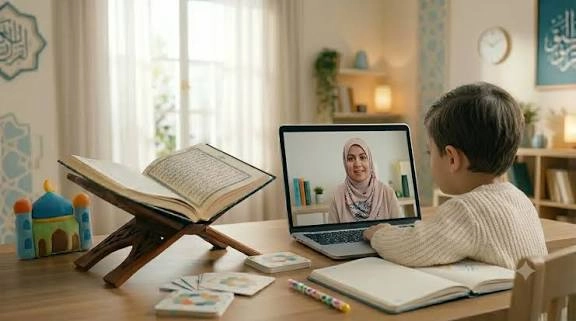
Many beginners wonder whether they should learn independently using apps and books, or join a structured Quran class with a teacher. Both paths are valid, and the right choice often depends on your learning style and schedule:
- Self-study works well for disciplined learners who are comfortable using books, apps, and online resources at their own pace, and who mainly need help with understanding meaning and building vocabulary.
- A Quran class with a teacher is especially valuable for correcting pronunciation, since certain Arabic sounds are difficult to self-correct without direct feedback something apps and books alone often can’t provide.
For many beginners, a combined approach works best: using English translation and transliteration for understanding and early practice, paired with occasional sessions with a teacher or study group to check pronunciation and stay motivated.
Staying Motivated on the Journey
It’s completely normal for progress to feel slow at times, especially in the first few weeks of learning new letters and sounds. One helpful approach many learners find effective is tracking small wins the day you recognise your first Arabic letter without hesitation, the first time you read a full word independently, or the first surah you recite from memory without relying on transliteration.
Joining an online or local community of fellow learners, even informally, can also help sustain motivation. Progress in Quran learning, much like most meaningful pursuits, tends to come in quiet, steady increments rather than dramatic leaps — and recognising that from the start can help you stay patient with yourself along the way.
Common Mistakes Beginners Should Avoid
- Rushing straight into Arabic without understanding meaning first — this often leads to mechanical recitation without connection or reflection.
- Relying solely on transliteration long-term — it’s a useful bridge, not a permanent solution, since it can’t capture the full accuracy of Arabic pronunciation.
- Trying to learn too much at once — focusing on a few letters or a short passage at a time leads to better retention than attempting entire surahs too early.
- Neglecting consistency — irregular, occasional study sessions are far less effective than short, daily practice.
Common Questions About Learning to Read Quran in English
Is it acceptable to only read the Quran in English translation? Reading Quran in English is a valuable and legitimate way to understand its meaning, especially for beginners. However, learning to read and recite the original Arabic remains important, since certain aspects of the Quran’s meaning and spiritual reward are tied to its original language.
How long does it typically take to learn to read Arabic? This varies by individual, but with consistent daily practice (even 15–20 minutes), many beginners can learn the Arabic alphabet and begin reading basic words within 2–3 months, progressing to fuller fluency over 6–12 months.
Do I need a teacher, or can I learn using apps and books alone? Self-study is possible and can take you quite far, particularly for understanding meaning. However, a teacher or qualified tutor is highly recommended at some stage to correct pronunciation, since certain Arabic sounds are difficult to learn correctly without direct feedback.
What’s the best age to start learning to read the Quran? There’s no upper or lower age limit. Children often begin with Noorani Qaida from a young age, but adults of any age can and do successfully learn to read the Quran, especially with consistent practice and the right resources.
Read More : Contact Us
People also ask
How can I teach myself to read the Quran?
Start by learning the Arabic alphabet using a beginner’s resource like Noorani Qaida, alongside audio recitation to match sounds correctly. Practise a few letters daily, use transliteration as a temporary bridge, and gradually build up to reading short surahs. Self-teaching is possible, though checking in with a teacher occasionally helps correct pronunciation mistakes that are hard to catch alone.
Where can I learn the Quran in English?
Reliable English translations such as Saheeh International, Abdullah Yusuf Ali, and Muhammad Asad are widely available through Quran apps, websites, and printed Mushafs with parallel translation. These allow you to read and understand the Quran’s meaning in English while you work toward learning the original Arabic text.
How should a beginner start reading the Quran?
Begin with a short, familiar surah — such as Al-Fatiha or Al-Ikhlas — reading its English translation first to understand the meaning, then learning to sound out the Arabic letters with the help of a Qaida or app. Focus on a small, manageable portion each day rather than trying to cover too much at once.
Where can I learn how to read the Quran for free?
Many free resources are available, including Quran learning apps with built-in Arabic alphabet lessons, YouTube channels offering Tajweed and recitation guidance, and downloadable Noorani Qaida PDFs. Some local mosques and Islamic centres also offer free or low-cost beginner classes for both children and adults.
Final Thoughts
Learning to read the Quran — whether starting in English translation or working toward Arabic fluency is a journey best measured in small, consistent steps rather than rushed milestones. Understanding the Quran’s message in English is a meaningful starting point, not a lesser one, and every step taken toward reading it in its original Arabic form brings its own unique reward and closeness to Allah.
Wherever you are in this journey just starting out, midway through learning Tajweed, or refining your fluency remember that the effort itself is deeply valued in Islam, and consistency will carry you further than perfection ever could.
Disclaimer: This article is intended for general educational purposes. For structured Quran learning, including Tajweed and pronunciation correction, we recommend seeking guidance from a qualified teacher or local Islamic centre.