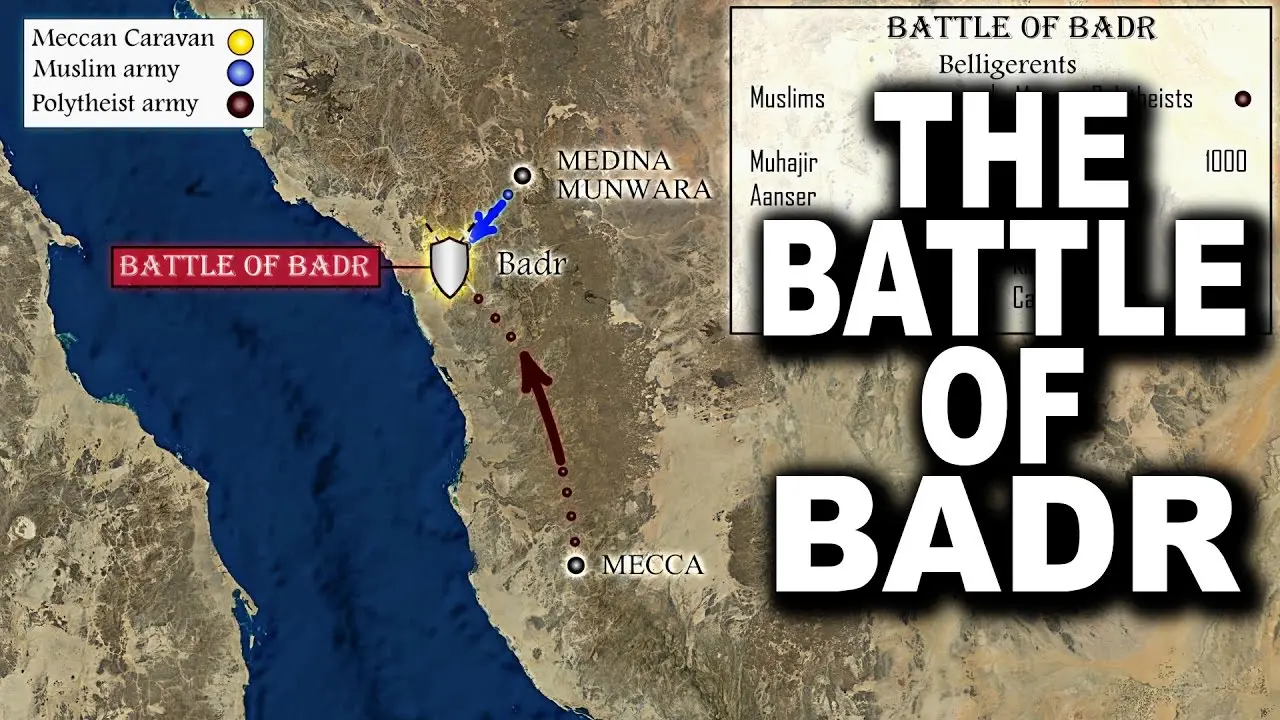
The Battle of Badr, which took place on the seventeenth day of Ramadan in the second year after Hijrah, stands as one of the most significant moments in Islamic history. It was the first major military encounter between the early Muslims of Medina and the Quraysh of Mecca. This battle is often remembered not only for its historical importance but also for the spiritual lessons it offers. The Muslims, though vastly outnumbered, relied on patience, trust in Allah, and unity to achieve victory. The events of Badr continue to inspire believers in times of hardship and challenge.
Historical Context of the Battle of Badr
Before the battle, the Muslims had endured persecution in Mecca. They faced social boycott, torture, and denial of the right to practice their faith freely. This led to the migration, or Hijrah, to Medina, where they were welcomed by the local tribes and could begin building a community grounded in Islamic values. In the months leading to Badr, tensions with the Quraysh escalated. The Muslims aimed to protect themselves while asserting their presence, especially as Quraysh caravans traveled past Medina.
The Quraysh sent a caravan led by Abu Sufyan, which the Prophet Muhammad, peace be upon him, sought to intercept. This was initially a defensive action intended to safeguard Muslim interests, but it eventually became the spark that led to the larger confrontation. The Muslims, numbering around three hundred thirteen, faced a much larger army of approximately one thousand, including well-armed cavalry and infantry. Despite this imbalance, the Muslims moved forward with faith and unity.
Read More : https://theorbitquran.com/dua-for-anxiety/
Preparations and Spiritual Readiness
The Prophet consulted his companions before the battle, seeking their input while also assessing their commitment. This consultation, known as Shura, was a model of leadership that emphasized inclusion and unity. The companions, despite knowing the odds were against them, expressed their readiness to support the Prophet fully. Spiritual preparation was as important as physical readiness. The Prophet offered dua, sought Allah’s guidance, and encouraged his companions to remain steadfast and mindful of their reliance on Him. The combination of prayer, consultation, and shared resolve created a strong moral and spiritual foundation for the Muslim army.
The preparation also involved ensuring ethical conduct. Water wells and other resources were respected, demonstrating that even in conflict, Islamic principles guided every action. The Muslims had few horses and limited weapons, yet their discipline, patience, and trust in Allah strengthened their resolve. This shows that spiritual preparation can often outweigh material strength.
Key Events of the Battle
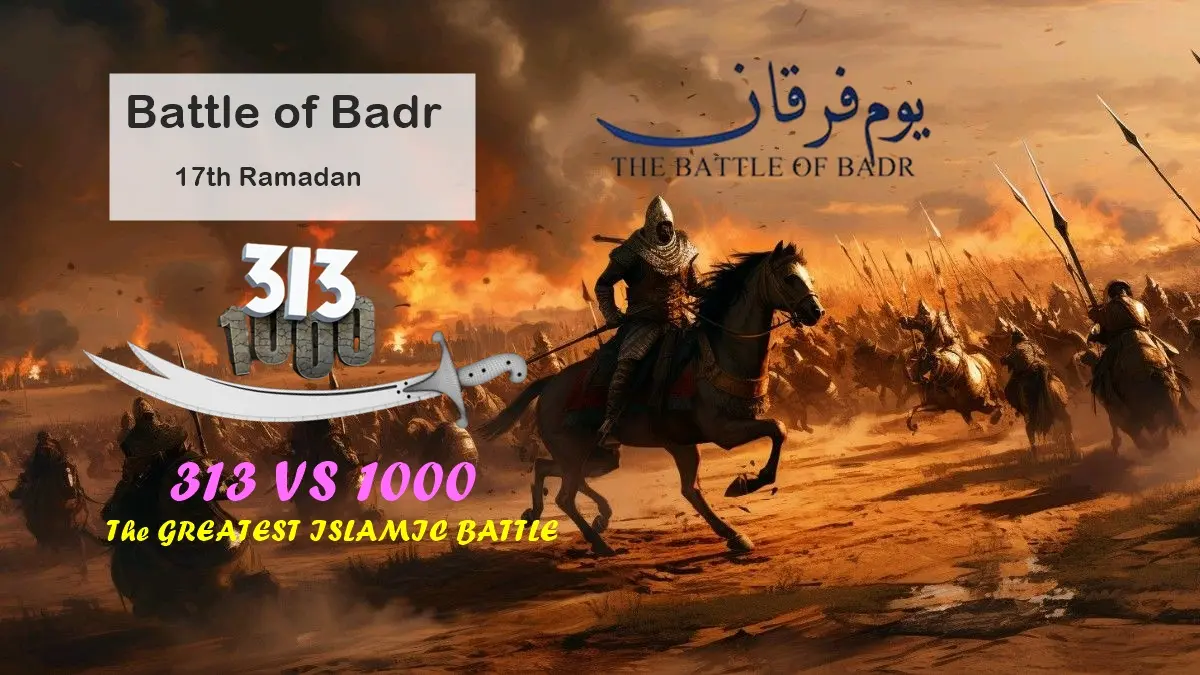
The battle began with the confrontation of small groups from each side, where companions such as Hamzah, Ali, and Ubaydah faced opponents in direct combat. These initial encounters tested courage and skill, but the overall strategy emphasized trust in Allah rather than reliance on weapons or numbers. When the armies fully engaged, Muslims maintained their positions despite facing an enemy three times larger and far better equipped.
Divine assistance played a role according to Quranic accounts, as mentioned in Surah Aal Imran, verses 123 to 126, and Surah Al-Anfal, verse 9. Angels were sent to support the believers, giving both spiritual reassurance and tangible strength. These moments highlight that faith and sincerity can transform situations that seem impossible by human standards.
Read More : https://theorbitquran.com/
Reflections and Lessons from Badr
The Battle of Badr offers timeless lessons for every believer. Trusting Allah even when circumstances seem dire is central to this event. The companions demonstrated that small groups with sincere intention can achieve great results when guided by faith. Unity, consultation, and clear leadership were essential to their success. These principles remain relevant today, whether in personal struggles, community challenges, or spiritual growth.
Ethical conduct during the battle, such as fair treatment of enemies and respect for resources, illustrates that even in difficult situations, Islam calls for justice and integrity. The Prophet’s leadership exemplifies wisdom, patience, and moral clarity. Reflecting on these aspects encourages believers to approach their own challenges with both strategic thinking and heartfelt reliance on Allah.
Practical Applications for Today
The lessons of Badr extend beyond history into daily life. Individuals can draw inspiration from the courage and steadfastness of the 313 companions. Personal challenges, whether related to faith, work, or family, can be approached with trust, patience, and reflection. Ramadan itself can serve as a time of preparation, strengthening the heart and building resilience against trials. By applying sincerity, ethical conduct, and faith in everyday actions, believers can navigate difficulties with clarity and confidence.
Understanding the story of Badr also helps in recognizing the importance of small but consistent contributions. Just as the Muslims relied on each member to fulfill their role, individuals today can make a meaningful impact in their communities through dedication, integrity, and compassion.
Significance in Islamic History
The Battle of Badr marked a turning point in the early Muslim community. It established the credibility of the believers and set the stage for the peaceful conquest of Mecca years later. This victory demonstrated that reliance on Allah combined with careful planning, ethical conduct, and communal unity could overcome seemingly insurmountable challenges. It also reminds believers that every struggle, when approached with faith and sincerity, carries lessons that extend far beyond immediate outcomes.
Remembering Badr during Ramadan is not only a historical reflection but a spiritual exercise. It encourages mindfulness, preparation, and the cultivation of courage and patience in all areas of life.
Stories of the Companions of Badr
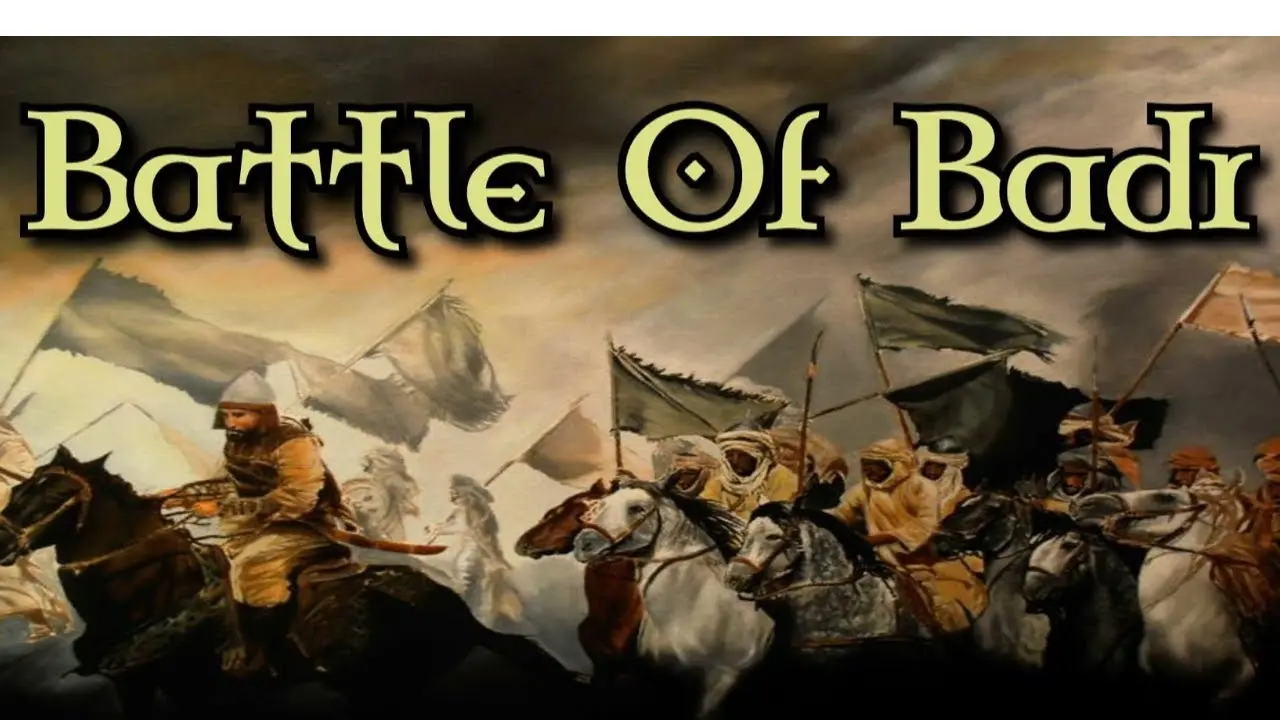
The companions, from young to old, showed unwavering dedication and sacrifice. Their readiness to face danger, combined with deep faith, provides a model for spiritual commitment. Figures such as Hamzah and Ali exemplified bravery, while others demonstrated humility and perseverance. These narratives highlight that spiritual strength is accessible to every believer, regardless of age, status, or physical ability. By studying their actions, modern Muslims can find inspiration to act with sincerity and courage in their own lives.
Read More : https://theorbitquran.com/contact-us/
Spiritual Reflections for Ramadan 2025 and Beyond
As Ramadan 2025 and 2026 approach, the story of Badr offers guidance for believers facing the pressures of modern life. Daily challenges, personal doubts, and societal pressures can feel overwhelming, yet the example of the Prophet and his companions encourages reliance on Allah, ethical decision-making, and unity with the community. Small actions, consistent prayers, and ethical conduct in every sphere of life can carry profound effects. By reflecting on Badr, Muslims are reminded that faith, patience, and moral clarity remain powerful tools in navigating any obstacle.
FAQs – Battle of Badr (17 Ramadan)
Q1: When did the Battle of Badr take place and why is the 17th of Ramadan significant?
The Battle of Badr occurred on the 17th of Ramadan, 2 AH (624 CE). This date is significant because it marks the first major military victory for the Muslims, demonstrating the power of faith and reliance on Allah even when facing overwhelming odds. It is remembered as a day of courage, unity, and divine support.
Q2: Who were the 313 companions of Badr?
The 313 companions were the small group of Muslims who participated in the Battle of Badr. They came from both the Muhajireen (emigrants from Mecca) and the Ansar (helpers from Medina). Despite being few in number and lacking resources, their strong faith, discipline, and trust in Allah played a key role in achieving victory against the Quraysh army.
Q3: Did angels really assist the Muslims during the Battle of Badr?
Yes. The Quran mentions that Allah sent angels to support the believers during the battle. Verses from Surah Al-Anfal (8:9–12) and Surah Aal Imran (3:123–126) describe this divine assistance. This serves as a reminder that sincere reliance on Allah can bring help in seemingly impossible situations.
Q4: What lessons can Muslims learn from the Battle of Badr today?
The battle teaches trust in Allah, patience in adversity, unity, and ethical conduct even under pressure. It encourages Muslims to face personal challenges with courage, to work together as a community, and to rely on prayer and sincerity in every effort.
Q5: How does the Battle of Badr connect to Ramadan?
The Battle of Badr occurred during Ramadan, emphasizing the importance of spiritual preparation, self-discipline, and reliance on Allah. Fasting and worship during Ramadan strengthen faith, patience, and moral clarity, reflecting the same qualities that guided the Muslims during the battle.
Q6: What was the long-term impact of the Battle of Badr?
The victory at Badr boosted the morale and credibility of the Muslim community and set the stage for the eventual peaceful conquest of Mecca. It reinforced the principles of courage, faith, and ethical conduct, leaving a lasting example for believers throughout history.