What Is Hajj and Why It Matters
Hajj is one of the five pillars of Islam and holds a deep place in the life of every Muslim. It is a journey to Makkah that takes place in the month of Dhul Hijjah. Every Muslim who is able should perform Hajj at least once in their life. This journey is not only physical but also deeply spiritual.
Allah mentions in the Qur’an that pilgrimage to His House is a duty for those who are able to find a way. This reminds us that Hajj is not just a tradition but an act of obedience. It brings a person closer to Allah and offers a chance to seek forgiveness and start fresh.
When Is Hajj in 2026 and Why Dates Matter
Hajj takes place every year from the eighth to the twelfth of Dhul Hijjah. Since the Islamic calendar follows the moon, the dates shift each year. In 2026, the first of Dhul Hijjah is expected to fall around May or early June, depending on moon sighting.
These dates are important because each ritual of Hajj is tied to a specific day. Missing the timing can affect the completion of the pilgrimage. For many people planning their journey, understanding these dates early helps with travel and preparation.
Preparing the Heart Before the Journey
Before stepping into the physical journey, there is a need to prepare the heart. Hajj begins with intention. A person should ask themselves why they are going. The goal should be to seek the pleasure of Allah alone, not recognition from others.
This preparation also includes seeking forgiveness, clearing debts, and making peace with others. Many people focus on packing clothes and travel plans, but the real preparation lies in humility and sincerity. When the heart is ready, the journey becomes more meaningful.
Entering the State of Ihram with Awareness
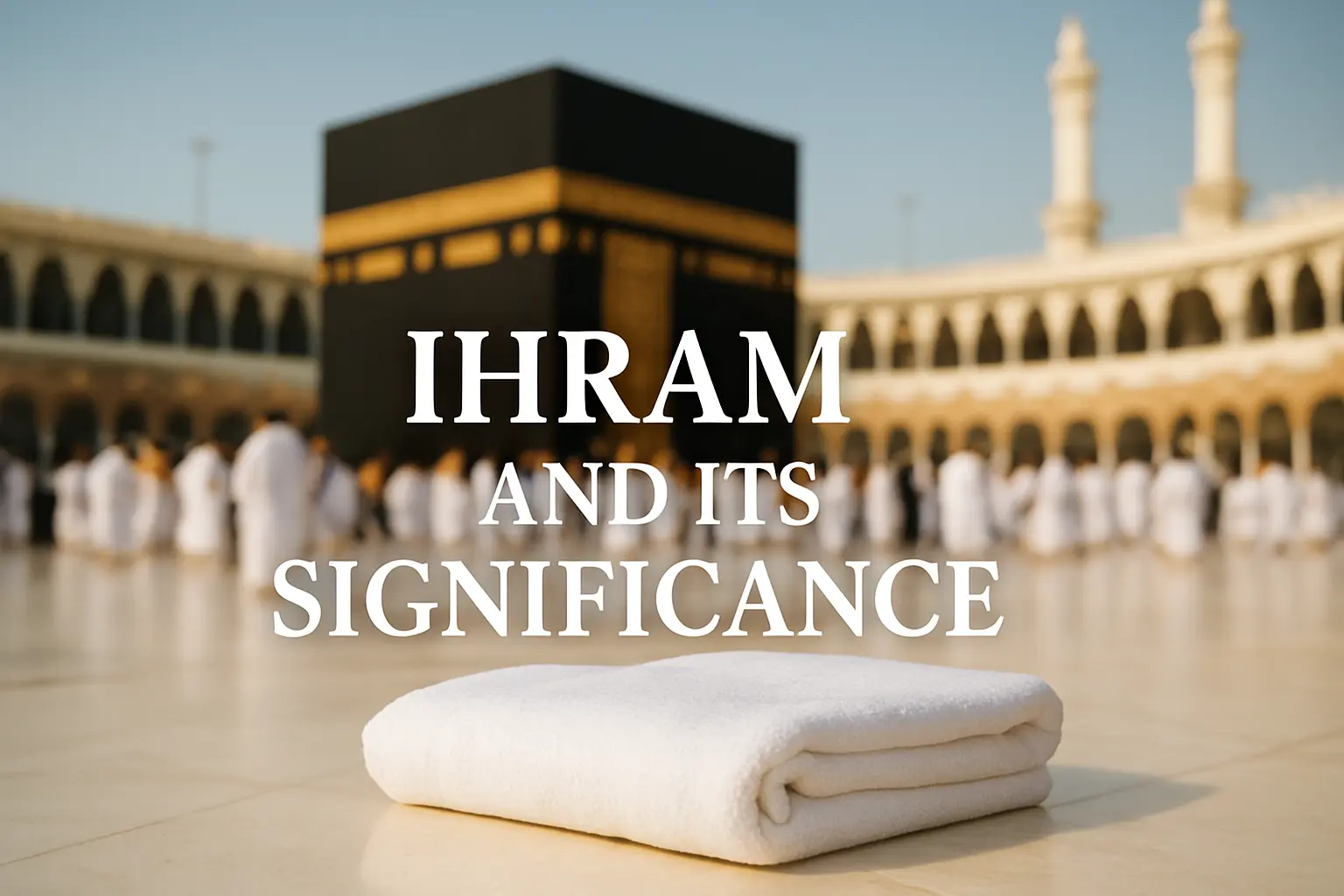
Ihram is not just a dress code. It is a state of purity and discipline. When a pilgrim enters Ihram, they leave behind comfort and identity. Everyone looks the same, which reminds us that before Allah, status does not matter.
In this state, certain actions are restricted. This teaches control over desires and behavior. It is a time to be careful with words and actions. Even small habits like arguing or speaking harshly must be avoided. This is the first step in learning patience during Hajj.
Tawaf and the Meaning of Circling the Kaaba
Tawaf is the act of walking around the Kaaba seven times. It may seem simple, but it carries deep meaning. As the pilgrim moves around the Kaaba, it reflects how a believer’s life should revolve around Allah.
Each step is a reminder that Allah is the center of life. People from every part of the world gather and move together in unity. This teaches equality and brotherhood. It also creates a strong sense of connection with the global Muslim community.
Saee Between Safa and Marwah and the Lesson of Trust
Saee is the act of walking between the hills of Safa and Marwah. It is done in memory of Hajar, the wife of Prophet Ibrahim, who searched for water for her son. Her struggle was not easy, yet she trusted Allah completely.
This part of Hajj teaches that effort and trust go together. A person must keep trying, even when results are not visible. Life often brings moments of uncertainty, and Saee reminds us that relief comes after sincere effort and patience.
The Day of Arafah and Standing Before Allah
The day of Arafah is the most important day of Hajj. Pilgrims stand in a plain and spend the day in prayer and reflection. It is often described as a preview of the Day of Judgment, when everyone will stand before Allah.
This moment is filled with emotion. People raise their hands and ask for forgiveness. It is a time to think about one’s life, mistakes, and hopes. Many believe that sincere supplication on this day is accepted. It is a chance to reconnect with Allah in the most direct way.
Muzdalifah and the Beauty of Simplicity
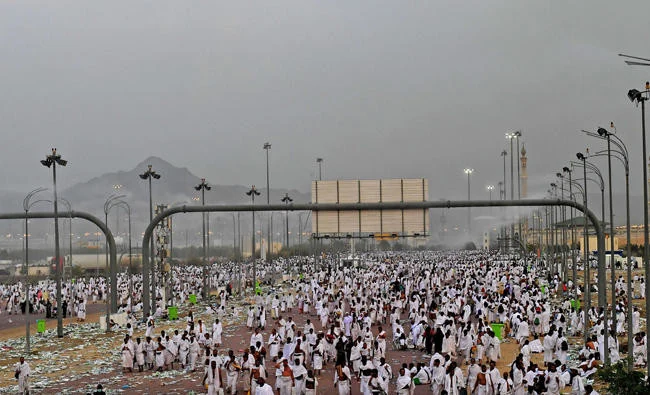
After Arafah, pilgrims move to Muzdalifah. Here they spend the night under the open sky. There are no luxuries, only the basics. This part of Hajj teaches contentment and simplicity.
In a world full of comfort, this experience reminds a person that real peace does not come from material things. It comes from being close to Allah. The quiet night also allows time for reflection and gratitude.
Rami and Resisting Temptation
Rami is the act of throwing stones at specific pillars. It represents rejecting the whispers of Shaytan. This ritual connects to the story of Prophet Ibrahim, who resisted temptation when tested.
In daily life, people face many distractions and wrong choices. Rami is a reminder to stay firm and reject what takes us away from Allah. It is not about the stones, but about the intention to stand strong against negative influences.
Read More : https://theorbitquran.com/amaal-of-shabaan-preparation-for-ramadan/
Qurbani and the Spirit of Sacrifice
Qurbani takes place during Hajj and also for Muslims around the world during Eid. It reflects the willingness of Prophet Ibrahim to sacrifice for the sake of Allah. This act teaches obedience and trust.
Sacrifice is not only about animals. It also means letting go of habits, desires, and actions that are not pleasing to Allah. It is a reminder that true faith requires effort and commitment.
What Values Does Hajj Promote in Daily Life
Hajj is not only a set of rituals. It builds strong values that stay with a person even after returning home. It teaches patience, humility, unity, and self control. These values are needed in everyday life.
When a person returns from Hajj, the goal is to continue living with the same awareness. Speaking kindly, avoiding anger, and remembering Allah become part of daily routine. This is how Hajj brings lasting change.
Common Struggles During Hajj and How to Handle Them
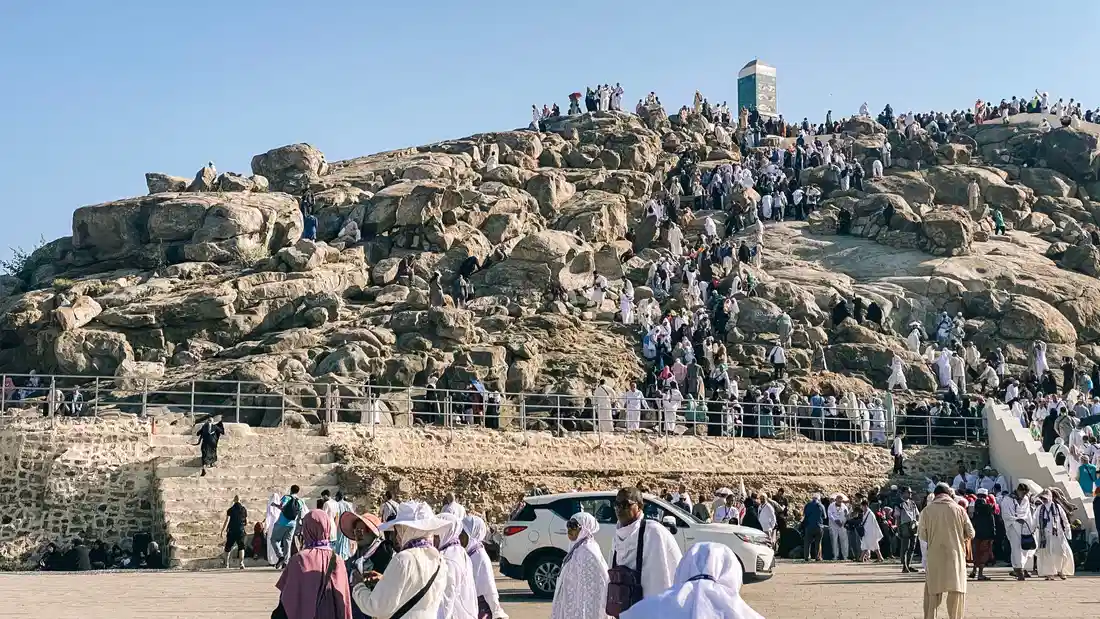
Hajj is a test of patience. Crowds, heat, and long walks can be challenging. At times, a person may feel tired or overwhelmed. These moments are part of the journey.
Instead of reacting with frustration, it helps to remember the purpose of being there. Taking short breaks, staying calm, and making dua can ease the difficulty. Many pilgrims find that these challenges actually strengthen their faith.
Read More : https://theorbitquran.com/benefits-of-surah-al-kausar/
How to Perform Hajj with Focus and Presence
Many people worry about how to perform Hajj correctly. While learning the steps is important, focus and presence matter just as much. A person should try to stay mindful during each act of worship.
Reciting simple duas, reflecting on meaning, and avoiding distractions can help. Even small efforts to stay focused make a difference. Hajj is not about perfection but about sincerity.
For Those Not Going to Hajj This Year
Not everyone is able to perform Hajj, but the days of Dhul Hijjah still hold great value. These days are among the best in the year. A person can fast, give charity, and increase remembrance of Allah.
Simple acts done with sincerity carry great reward. Making dua, helping others, and improving daily habits are all ways to benefit from this blessed time. The door of mercy is open for everyone.
Read More :https://theorbitquran.com/dua-for-new-month-in-islam/
A Gentle Reflection to Carry Forward
Hajj is a journey that stays in the heart long after it ends. It is not only about visiting a place, but about returning as a better person. Every step taken during Hajj carries a lesson for life. The real success is to keep those lessons alive after coming back home.
As days pass and routines return, it is easy to forget the feelings of closeness and sincerity. Holding on to even a small part of that connection can change daily life. A person who remembers Allah in small moments keeps the spirit of Hajj alive. May Allah give us all the chance to experience this journey and accept it with mercy.
Frequently Asked Questions (FAQs)
1. What is Hajj and why is it important?
Hajj is one of the five pillars of Islam and a mandatory pilgrimage for Muslims who are physically and financially able. It strengthens faith and brings spiritual purification.
2. When is Hajj 2026 expected?
Hajj 2026 is expected to take place around May or early June, depending on the moon sighting of Dhul Hijjah.
3. How many days does Hajj take?
Hajj rituals are performed over 5 to 6 days, from the 8th to the 12th of Dhul Hijjah.
4. What are the main steps of Hajj?
The main steps include:
- Ihram
- Tawaf
- Saee
- Arafah
- Muzdalifah
- Rami
- Qurbani
5. What is Ihram in Hajj?
Ihram is a sacred state entered before performing Hajj. It includes wearing specific clothing and following certain rules of behavior.
6. What is the significance of Arafah?
The Day of Arafah is the most important part of Hajj. Pilgrims stand in prayer and seek forgiveness from Allah.
7. Can someone perform Hajj without a guide?
Yes, but first-time pilgrims are advised to learn the steps properly or go with a group to avoid mistakes.
8. What should first-time pilgrims prepare?
Pilgrims should prepare spiritually, learn the rituals, stay patient, and focus on sincere worship.
9. What happens if a ritual is missed?
Missing certain rituals may require compensation (dam). It is important to follow the correct steps carefully.
10. Can non-pilgrims benefit during Hajj days?
Yes, Muslims can fast, give charity, and increase worship during the first 10 days of Dhul Hijjah.