
Nazar-e-bad, commonly known as the evil eye, is something many Muslims in the UK, USA, and Canada worry about a sudden illness after receiving compliments, a business that slows down after being praised, or a child who becomes unwell without clear medical cause. Unlike many folk beliefs, the evil eye is not superstition in Islam. It is explicitly confirmed in the Quran and in authentic hadith, and the Prophet Muhammad ﷺ taught specific duas to protect against it.
This article is written for beginners and general readers who want to understand nazar from a correct, source-based perspective not from cultural myths involving blue beads, black thread, or other practices without Islamic basis. Below you will find the Quranic verses, authentic hadith with references, the actual Arabic duas taught by the Prophet ﷺ, and practical guidance on how to protect yourself and your family the Islamic way.
Is the Evil Eye Real? What the Quran Says
Unlike many spiritual claims, the reality of the evil eye is confirmed directly in the Quran. Allah instructs the believers to seek refuge from it in Surah Al-Falaq:
“Say, ‘I seek refuge in the Lord of daybreak, from the evil of that which He created, and from the evil of darkness when it settles, and from the evil of the blowers in knots, and from the evil of an envier when he envies.'” (Surah Al-Falaq, 113:1–5)
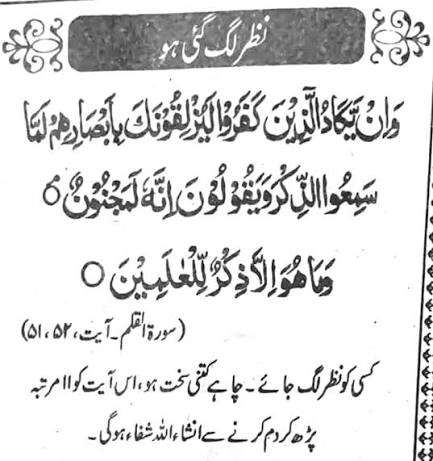
The final verse seeking refuge “from the evil of an envier when he envies” is understood by scholars to include the harm of the evil eye, since envy (hasad) is its root cause. Additionally, in Surah Al-Qalam, Allah says regarding the disbelievers: “And indeed, those who disbelieve would almost make you slip with their eyes when they hear the message…” (68:51). Many classical commentators, including Ibn Kathir, note that this verse alludes to the harmful power of a hostile gaze, reinforcing that the concept is Quranically acknowledged, not merely cultural.
Read More : The Authentic Dua for Anxiety and Sorrow
Authentic Hadith Confirming the Evil Eye
The clearest hadith on this subject comes from Abu Hurairah (RA), who reported that the Prophet ﷺ said: “The evil eye is real (al-‘aynu haqq).” This is recorded in Sahih al-Bukhari (Hadith 5740) and Sahih Muslim (Hadith 2188). In the same narration, the Prophet ﷺ also prohibited tattooing, showing this was mentioned as part of broader guidance on health and harm.
Further evidence comes from Umm Salamah (RA), who narrated that the Prophet ﷺ once saw a girl in her house with a dark mark on her face and said: “Treat her with ruqyah, for she has been affected by the evil eye” (Sahih al-Bukhari, Hadith 5739). Aisha (RA) also reported that the Prophet ﷺ used to instruct that ruqyah (spiritual treatment through Quranic recitation and dua) be performed whenever there was concern about the evil eye (Sahih al-Bukhari, Hadith 5738). These narrations, found in the two most authentic hadith collections, remove any doubt about the reality of nazar in Islamic teaching and establish ruqyah as the prescribed response.
Read More : theorbitequran.co
Authentic Dua for Protection from Nazar-e-Bad
The Prophet ﷺ himself sought refuge for his grandsons, Hasan and Husain, using the following words, as recorded in Sahih al-Bukhari:
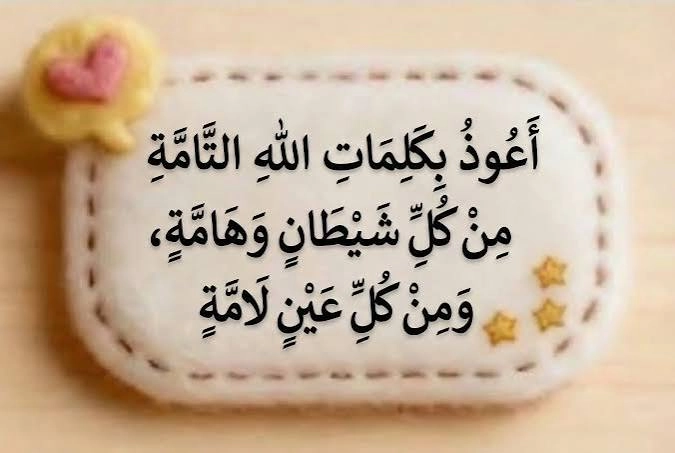
Arabic: أُعِيذُكُمَا بِكَلِمَاتِ اللَّهِ التَّامَّةِ مِنْ كُلِّ شَيْطَانٍ وَهَامَّةٍ، وَمِنْ كُلِّ عَيْنٍ لَامَّةٍ
Transliteration: A’udhu bikalimatillahi at-tammati min kulli shaytanin wa hammatin, wa min kulli ‘aynin lammah.
Translation: “I seek refuge for you both in the perfect words of Allah, from every devil and poisonous creature, and from every evil eye that harms.”
This is one of the most authentic and widely recommended duas for protecting children specifically, and parents across the UK, USA, and Canada are encouraged to recite it over their children regularly, particularly before sleep or when leaving the house.
Dua When You Admire Something (Preventing Your Own Nazar)
Islam also teaches believers to guard against unintentionally causing nazar themselves when admiring something beautiful a friend’s home, a colleague’s success, or a child’s appearance. A well-known practice, based on a narration recorded by Al-Bazzar and Ibn Sunni through Anas (RA), teaches that saying the following when impressed by something prevents harm:
Arabic: مَا شَاءَ اللَّهُ لَا قُوَّةَ إِلَّا بِاللَّهِ Transliteration: Masha Allah, la quwwata illa billah Translation: “What Allah has willed; there is no power except with Allah.”
It is worth noting honestly that this particular narration has a weaker chain of transmission compared to the hadith mentioned above from Bukhari and Muslim. However, its wording is drawn directly from the Quran (Surah Al-Kahf, 18:39), and scholars generally encourage saying it as good manners and a means of remembering Allah, even while being transparent that the specific hadith attaching it to nazar prevention is not at the highest level of authenticity.
The Mu’awwidhatan: Daily Protection from Evil Eye
Aisha (RA) narrated that whenever the Prophet ﷺ felt unwell, he would recite Surah Al-Falaq and Surah An-Nas (together known as the Mu’awwidhatan) and blow on his hands, then wipe them over his body, a practice recorded in Sahih al-Bukhari. He also used these two surahs specifically to seek refuge from the evil eye of both jinn and humans. Reciting these two short surahs after Fajr and Maghrib, or before sleeping, is one of the simplest and most authentic daily protections a Muslim can adopt requiring no special ritual, object, or timing beyond consistency.
Read More : Contact Us
Common Signs That May Indicate Nazar
While only Allah knows the true cause of any hardship, scholars who have studied ruqyah practice note certain recurring signs that may accompany the evil eye: sudden and unexplained fatigue or weakness, a sharp decline in appetite, restlessness or disturbed sleep, unexplained sadness or withdrawal, or a sudden downturn in something that was previously going well, such as a business, a relationship, or a child’s health. None of these signs are proof on their own, and medical causes should always be ruled out first with a qualified doctor. What ruqyah offers is a spiritual complement, not a replacement, for proper medical care Islam does not ask believers to choose between faith and treatment, but to combine both sincerely.
It is also worth noting that Islamic teaching places responsibility on the person who feels envy or admiration, not only on the person affected. This is precisely why the Prophet ﷺ taught the dua “Masha Allah, la quwwata illa billah” — encouraging speakers to acknowledge Allah’s will the moment they feel struck by something impressive, rather than staying silent with unspoken envy. Teaching this habit to children early, and modelling it within the family, reduces the everyday risk of nazar within a household far more effectively than any object or charm ever could.
Practical Steps to Protect Yourself and Your Family from Nazar
For Muslims living in the UK, USA, and Canada, where extended family and community support may be less immediately available compared to back home, building a personal habit of protection becomes especially important. Reciting the Mu’awwidhatan morning and evening, saying “Masha Allah, la quwwata illa billah” when admiring something, and reciting the dua taught for children before sleep are all practical, low-effort habits. If evil eye is suspected through sudden illness, unexplained fatigue, or a run of bad luck performing ruqyah by reciting Quranic verses (especially Al-Fatihah, Ayat al-Kursi, and the last three surahs) over oneself or a family member, along with sincere dua, is the prescribed Islamic response, rather than turning to charms, amulets, or practices with no basis in the Quran and Sunnah.
Frequently Asked Questions About Dua for Nazar-e-Bad
Is the evil eye mentioned in the Quran? Yes. Surah Al-Falaq (113:5) instructs believers to seek refuge from the harm of an envier, and Surah Al-Qalam (68:51) is understood by classical scholars to reference the harmful power of a hostile gaze.
What is the strongest dua for nazar-e-bad from Quran and hadith? The dua “A’udhu bikalimatillahi at-tammati min kulli shaytanin wa hammatin, wa min kulli ‘aynin lammah,” which the Prophet ﷺ used for Hasan and Husain, is one of the most authentically recorded protections, found in Sahih al-Bukhari.
Can black thread, blue beads, or taweez remove nazar? These practices have no basis in the Quran or authentic Sunnah. The prescribed Islamic method is ruqyah reciting Quranic verses and authentic duas — not physical objects believed to carry protective power on their own.
How can I protect my children from evil eye daily? Recite the Mu’awwidhatan (Surah Al-Falaq and An-Nas) over them morning and evening, and say the specific dua the Prophet ﷺ used for Hasan and Husain, especially before they sleep or leave the house.
What should I do if I suspect someone in my family has nazar? Rule out medical causes first with a doctor, then perform ruqyah by reciting Al-Fatihah, Ayat al-Kursi, Surah Al-Ikhlas, Al-Falaq, and An-Nas over the affected person, blowing gently after each recitation while making sincere dua for their healing.
Conclusion
The evil eye is a reality acknowledged clearly in the Quran and confirmed through multiple authentic hadith in Sahih al-Bukhari and Sahih Muslim. Muslims are not left without protection: the Prophet ﷺ taught specific, authentic duas for children, for daily recitation, and for moments of admiration that anchor believers in reliance on Allah rather than fear or superstition. For Muslims raising families in the UK, USA, and Canada, adopting these simple daily practices offers real, source-based protection, while avoiding folk remedies that carry no basis in Islamic teaching.
Disclaimer: This article is intended for general informational and educational purposes only. It does not constitute a religious verdict (fatwa) or medical advice. If illness or distress persists, readers should consult both a qualified local scholar for religious guidance and a medical professional for physical or mental health concerns.