

Understanding the deeper purpose of fasting
Fasting in Islam is not only about staying away from food and drink. It is a daily act of awareness and intention. From the first moments of dawn, a person chooses obedience over comfort. This choice shapes the heart quietly. Fasting and Self Discipline appears here as a lived experience rather than a concept. Each hour of restraint reminds the believer that faith is practiced through actions, not words alone. Over time this steady restraint builds inner order and calm. It teaches that control begins with small choices repeated daily for the sake of Allah.
Why self discipline matters in Islamic life
Self discipline is the backbone of a balanced Muslim life. Without it, intentions remain weak and actions inconsistent. Islam guides believers to live with purpose, patience, and responsibility. Fasting and Self Discipline work together to shape this mindset. When a person learns to stop themselves from lawful desires during daylight hours, it becomes easier to avoid harmful behavior at other times. This practice strengthens accountability before Allah and helps bring stability to daily worship, relationships, and personal habits.
Read More : https://theorbitquran.com/
Learning control before hunger appears
The discipline of fasting starts even before hunger is felt. A believer wakes early, eats with moderation, and sets a clear intention. This moment teaches readiness and self awareness. Fasting and Self Discipline grow when a person prepares their mind ahead of time. They know hunger will come, yet they choose calm over complaint. This early control sets the tone for the entire day. It reminds the heart that discipline is not reactive. It is a conscious decision made with trust in Allah.
Controlling desires through fasting in daily life
One of the clearest lessons of fasting is controlling desires through fasting itself. Food, drink, anger, and speech are all tested. When hunger rises, emotions can follow. The fast teaches pause. It creates space between feeling and action. Fasting and Self Discipline develop as a person learns not to react quickly. This lesson carries into daily life. It helps with managing stress, avoiding harsh words, and staying steady during challenges. Over time, restraint becomes a natural response rather than a forced one.
Emotional restraint as an act of worship
Fasting is also about emotional control. Islam teaches that anger and harmful speech weaken the spirit of the fast. Holding the tongue while hungry is not easy. Yet this is where growth happens. Fasting and Self Discipline meet in these quiet moments. Choosing patience over reaction turns ordinary struggles into worship. This emotional restraint improves family life, work relationships, and personal peace. It reminds believers that true strength is shown through calm and kindness, even under pressure.
Spiritual training in Ramadan and inner focus
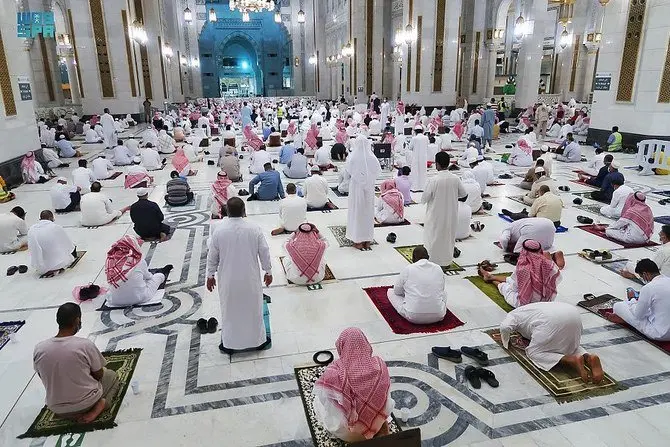
Ramadan serves as a month long spiritual training in Ramadan for the heart and mind. Daily routines change, distractions reduce, and focus increases. Fasting and Self Discipline become easier when life slows down. With fewer meals and less noise, the heart becomes more aware of Allah. Worship feels deeper and reflection becomes natural. This focused time trains believers to carry awareness beyond Ramadan. It shows that discipline brings clarity and helps align daily actions with spiritual goals.
Read More : https://theorbitquran.com/patience-and-fasting-islamic-reflections/
How fasting strengthens the soul
Hunger humbles the body and softens the heart. It removes a sense of control and replaces it with reliance on Allah. Fasting to strengthen the soul is not about weakness. It is about clarity. Fasting and Self Discipline help the soul rise while the ego quiets. With fewer physical comforts, the heart turns inward. Gratitude grows. Prayer becomes sincere. This strengthening of the soul builds resilience that supports faith long after the fast ends.
Discipline in time and routine
Fasting reorganizes the day around prayer, rest, and reflection. Meals follow a set time. Sleep becomes intentional. This structure teaches respect for time. Fasting and Self Discipline appear in how a believer plans their day carefully. This awareness carries into work and family life. It encourages balance instead of excess. Managing time well becomes an extension of faith. The believer learns that discipline is not restriction. It is guidance toward a more meaningful rhythm of life.
Resisting lawful desires builds strength
One powerful lesson of fasting is resisting what is allowed for a higher purpose. Food and drink are lawful, yet they are delayed. Fasting and Self Discipline grow stronger through this practice. If a person can step back from what is permitted, it becomes easier to avoid what is forbidden. This builds moral strength. It sharpens conscience. It reminds believers that self control is possible with Allah help, even when temptation feels strong.
Carrying discipline beyond Ramadan
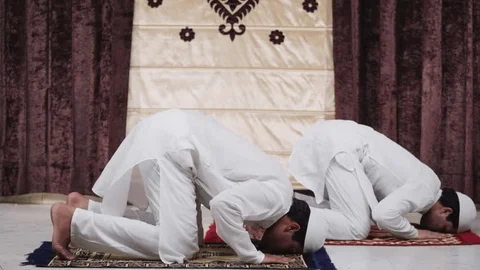
The goal of fasting is not limited to one month. The lessons are meant to continue. Fasting and Self Discipline should shape choices throughout the year. Voluntary fasts help maintain this training. Simple habits like mindful eating and controlled speech reflect Ramadan values. Carrying these lessons forward brings consistency to worship and character. It shows that fasting was not a pause from life but preparation for it.
Building patience through regular restraint
Patience grows through repeated restraint. Each fast adds another layer of calm endurance. Fasting and Self Discipline work together to reduce impulsive behavior. Over time, patience becomes a natural trait rather than a forced response. This patience helps in moments of loss, delay, or disappointment. It allows believers to trust Allah timing. The heart learns to wait with hope rather than frustration.
Gratitude at the moment of breaking the fast
Breaking the fast is a moment of relief and gratitude. It teaches appreciation for simple blessings. Fasting and Self Discipline are felt clearly here. The believer learns that restraint leads to appreciation. Food tastes better. Water feels precious. This gratitude softens the heart and strengthens faith. It encourages moderation and mindfulness even after the fast. This awareness helps maintain balance in daily consumption and behavior.
Teaching the body to follow the soul
Fasting teaches the body to follow the soul rather than lead it. Hunger does not control decisions. Faith does. Fasting and Self Discipline align physical needs with spiritual values. This alignment creates harmony within the self. It reduces inner conflict and confusion. When the body learns obedience, the soul finds peace. This lesson supports long term spiritual growth and emotional stability.
Read More : https://theorbitquran.com/fasting-and-taqwa-piety-spiritual-renewal/
Fasting as preparation for future challenges
Life brings tests that require strength and restraint. Fasting prepares believers for these moments. Fasting and Self Discipline develop resilience that supports faith during hardship. When a person has practiced patience during hunger, other struggles feel manageable. The heart remembers past restraint and draws strength from it. This preparation builds confidence in Allah support during trials.
Teaching moderation in a world of excess
Modern life encourages constant consumption. Fasting offers a counter balance. Fasting and Self Discipline teach moderation and contentment. They remind believers that fulfillment does not come from excess. This lesson helps manage desires related to food, spending, and entertainment. It brings peace and simplicity into daily life. Moderation becomes a form of worship rooted in gratitude.
Renewing intention through voluntary fasting
Outside Ramadan, voluntary fasting renews discipline and focus. It reconnects believers with the lessons learned. Fasting and Self Discipline remain active through these practices. Even occasional fasts refresh the heart and strengthen resolve. They remind believers of their ability to choose restraint. This renewal keeps faith alive and intentional throughout the year.
Strengthening faith through consistency
Consistency is valued in Islam. Small actions done regularly carry great weight. Fasting and Self Discipline support this principle. Regular restraint builds steady faith. It encourages balanced worship and stable character. Over time, discipline becomes ease. Faith becomes lived rather than spoken. This consistency brings long term spiritual confidence and inner peace.
Reflecting on the purpose of restraint
Restraint is not meant to punish the body. It is meant to free the heart. Fasting and Self Discipline guide believers toward this understanding. Through reflection, the believer sees restraint as mercy. It clears distractions and strengthens connection with Allah. This perspective transforms fasting from obligation into opportunity.
Teaching empathy and compassion
Hunger increases awareness of those who lack daily meals. Fasting and Self Discipline deepen empathy. This awareness encourages generosity and kindness. It reminds believers of shared human needs. Compassion grows naturally from restraint. This lesson improves social responsibility and sincere care for others.
Fasting and self control in modern life
Daily life presents constant temptation and stress. Fasting offers a reset. Fasting and Self Discipline help believers navigate modern challenges with clarity. They reduce emotional overwhelm and impulsive reactions. This control supports mental calm and spiritual focus. It shows that ancient practices remain deeply relevant today.
Read More : https://theorbitquran.com/contact-us/
A steady path toward inner growth
Growth in Islam is gradual and intentional. Fasting supports this path. Fasting and Self Discipline nurture steady improvement rather than sudden change. They teach patience with oneself. This gentle approach helps believers grow without pressure or guilt. It encourages trust in Allah guidance and mercy.
Living with awareness after the fast
After fasting ends, awareness remains. The believer carries lessons forward. Fasting and Self Discipline influence daily choices and intentions. Eating becomes mindful. Speech becomes careful. Actions become thoughtful. This awareness reflects the true success of fasting.
A gentle reminder for the coming year

As a new year approaches, fasting invites reflection and hope. It reminds believers that change begins within. Fasting and Self Discipline offer a quiet path toward renewal. Each act of restraint strengthens faith and character. By holding onto these lessons, the heart remains steady through life changes. With sincere intention and trust in Allah, the discipline learned through fasting can shape a year filled with patience, balance, and spiritual clarity.
Frequently Asked Questions About Fasting and Self Discipline
How does fasting help build self discipline in Islam
Fasting helps build self discipline by training a person to stop themselves from lawful desires for the sake of Allah. This daily restraint strengthens control over habits, emotions, and reactions. Over time, this practice makes it easier to avoid harmful behavior and stay consistent in worship and character.
Is fasting only about food and drink
No, fasting is not limited to food and drink. It also includes controlling speech, anger, and behavior. A complete fast involves guarding the tongue, lowering harmful actions, and maintaining good character. This broader restraint is where fasting truly shapes self discipline.
Can fasting improve emotional control
Yes, fasting improves emotional control by teaching patience during hunger and stress. When emotions rise, the fast encourages calm responses instead of quick reactions. This practice helps believers manage anger and frustration more gently in daily life.
How can fasting lessons continue after Ramadan
The lessons of fasting can continue through voluntary fasts and mindful habits. Applying restraint to eating, speaking, and daily routines helps maintain self discipline throughout the year. Ramadan becomes a foundation rather than a temporary change.
Why is self discipline important for spiritual growth
Self discipline supports spiritual growth by creating consistency and focus. It helps align daily actions with faith and intention. Through discipline, the heart becomes more aware of Allah, making worship sincere and steady over time.
Section 1: How Fasting Builds Self Discipline Across Different Areas of Life
| Area of Life | Common Struggle Without Fasting | How Fasting Trains Discipline | Long Term Impact on Character | Real Life Example |
|---|---|---|---|---|
| Decision Making | Acting on impulse and emotion | Teaches pause before action | Calm and thoughtful choices | Responding slowly instead of reacting in anger |
| Speech Control | Speaking without reflection | Trains silence during discomfort | Wise and respectful communication | Avoiding arguments while tired or hungry |
| Consumption Habits | Overeating and excess | Encourages moderation | Balanced lifestyle | Eating mindfully even after Ramadan |
| Emotional Regulation | Mood swings under stress | Builds patience under pressure | Emotional maturity | Staying calm in family conflicts |
| Time Awareness | Poor daily structure | Creates routine and order | Productive use of time | Planning day around prayer and rest |
| Spiritual Focus | Distracted worship | Reduces physical distractions | Deeper connection with Allah | More khushu in salah |
Section 2: Signs That Fasting Is Strengthening Self Discipline in the Heart
| Sign of Growth | What It Looks Like Internally | How It Develops During Fasting | Impact After Ramadan | Spiritual Benefit |
|---|---|---|---|---|
| Inner Calm | Less emotional chaos | Hunger teaches emotional restraint | Steady reactions in stress | Peace of heart |
| Stronger Willpower | Ability to resist urges | Daily restraint practice | Control over habits | Increased taqwa |
| Patience With People | Reduced irritation | Managing hunger without complaint | Improved relationships | Better akhlaq |
| Gratitude Awareness | Appreciation of basics | Feeling need before relief | Thankfulness in daily life | Humility before Allah |
| Consistent Worship | Less laziness | Structured fasting routine | Stable ibadah habits | Spiritual confidence |
| Self Accountability | Awareness of actions | Knowing Allah sees the fast | Ethical behavior | Sincerity in faith |