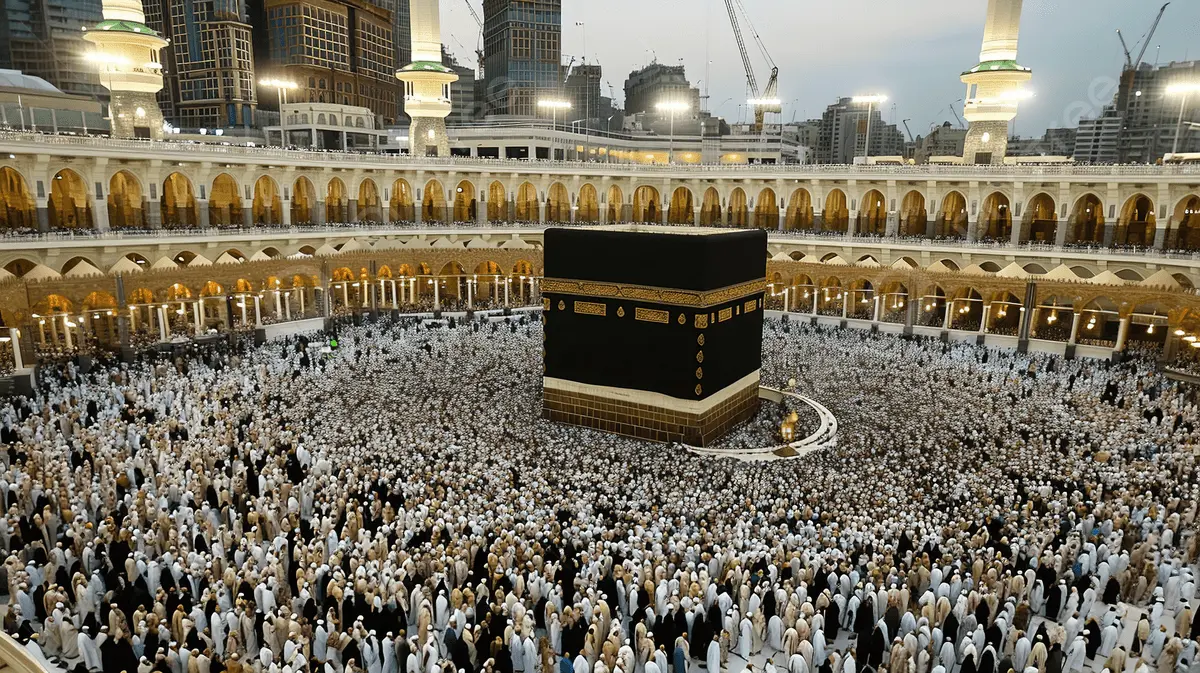
As a new year unfolds, many of us feel a quiet stirring in our hearts. We look for ways to find peace, hope, and a deeper connection with our faith. Islam offers a special opportunity during this time through the importance of Shaban month in Islam. This month, which comes just before Ramadan, gives believers a chance to pause, reflect, and prepare spiritually. It is a gentle reminder to slow down, pray more sincerely, and align our intentions with the blessings that lie ahead.
Shaban is not just another month in the Islamic calendar. It is a bridge between ordinary daily life and the heightened devotion of Ramadan. Understanding this month can help us approach the year with mindfulness and grace, creating a sense of calm and purpose that can last well beyond its thirty days.
Shaban as a Time for Spiritual Preparation

The importance of Shaban month in Islam becomes clear when we consider its timing. It is the month that leads directly into Ramadan, a time when Muslims fast, pray, and seek closeness to Allah. Shaban offers a quiet window to prepare both heart and mind. Believers often start to think about Ramadan preparation in small, thoughtful ways—planning prayers, reflecting on personal goals, and seeking forgiveness for past mistakes.
This month allows us to gradually transition from routine to reflection. Many find that beginning spiritual preparation in Shaban makes the demands of Ramadan feel more manageable and meaningful. It’s a gentle way of easing into a month that asks for patience, devotion, and self-discipline.
Learning from the Prophet ﷺ
The life of the Prophet ﷺ gives us a living example of Shaban’s significance. He ﷺ was known to increase his worship in this month, engaging in fasting and prayers more frequently than in other months outside Ramadan. Observing his actions teaches us the value of Actions of Prophet ﷺ, and how small consistent deeds can have a lasting impact on our spiritual life.
Sahih Muslim Hadith on Shaban notes that the Prophet ﷺ would fast most of the month, showing us that even voluntary acts of worship have profound meaning. His example is not meant to overwhelm but to inspire gentle, intentional devotion. Through it, we see that spiritual preparation is not about doing more than we can, but about deepening the sincerity of our actions.
Fasting in Shaban
Fasting during Shaban is one of the most common ways Muslims observe this sacred month. Known as Shaban fasting, these voluntary fasts help believers prepare physically and spiritually for Ramadan. They are a practice in mindfulness, patience, and gratitude, reminding us of the discipline required for the holy month.
The Nawafil voluntary fasts in Shaban are not obligatory, yet they carry great spiritual reward. Each day of fasting is an opportunity to reflect on our dependence on Allah, to cultivate empathy for those in need, and to refine our intentions. Many find that fasting in Shaban strengthens their connection with God and provides a sense of readiness for the more demanding fasts of Ramadan.
Prayers and Supplications

Shaban is also a time for quiet reflection and prayer. Shaban prayers and supplications allow believers to pause and communicate openly with Allah. These moments of stillness can help us identify our intentions for Ramadan and the year ahead, while nurturing our relationship with the divine.
Prayers in Shaban do not have to be elaborate. Simple, heartfelt conversations with Allah can bring clarity and peace. Asking for guidance, seeking forgiveness, and offering gratitude during this month prepares our hearts for the deeper worship of Ramadan. This practice reminds us that connection with God is personal, flexible, and deeply nourishing.
Charity and Good Deeds
The importance of Shaban month in Islam extends to acts of kindness and generosity. Many believers increase their charity and good deeds in Shaban, sharing with those in need and helping their communities. This practice softens the heart, strengthens empathy, and sets a positive tone for Ramadan.
Acts of charity do not have to be large or public. A smile, a warm meal, or helping a neighbor can carry profound spiritual significance. These deeds remind us that true preparation for Ramadan is not just about fasting or prayers but about cultivating compassion and generosity in everyday life.
Reflection and Inner Growth
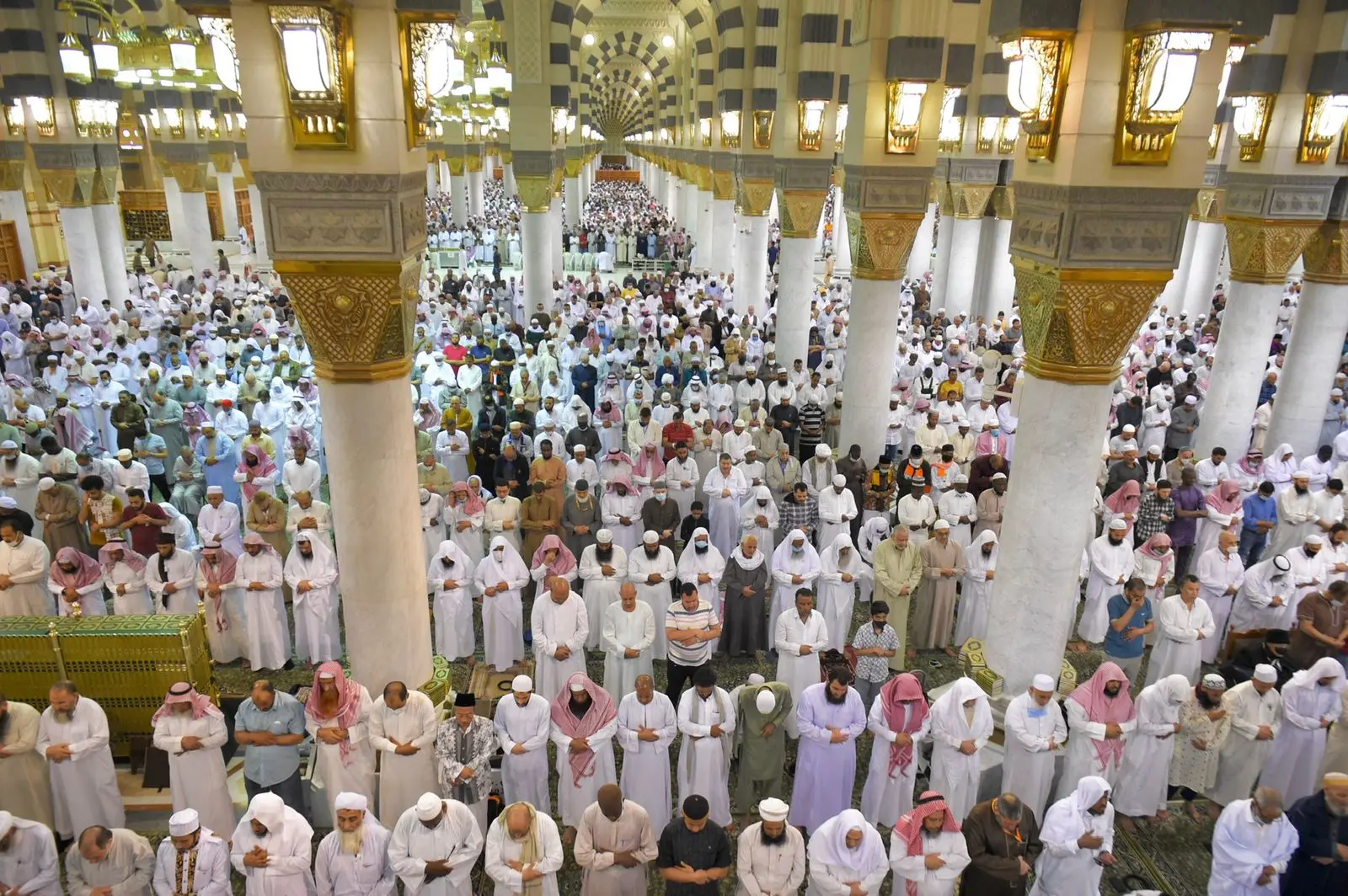
Shaban is a natural time for reflection. The importance of Shaban month in Islam lies not just in rituals but in self-awareness. It encourages believers to assess the past year and set intentions for the months to come. Questions like What do I hope to achieve spiritually? How can I deepen my connection with Allah? guide this inward journey.
This reflection allows us to forgive ourselves for past mistakes and to embrace hope for the future. Shaban becomes a month of healing, gently inviting us to align our actions and intentions with our values. Through reflection, we find calm and purpose that extend far beyond the month itself.
Preparing for Ramadan
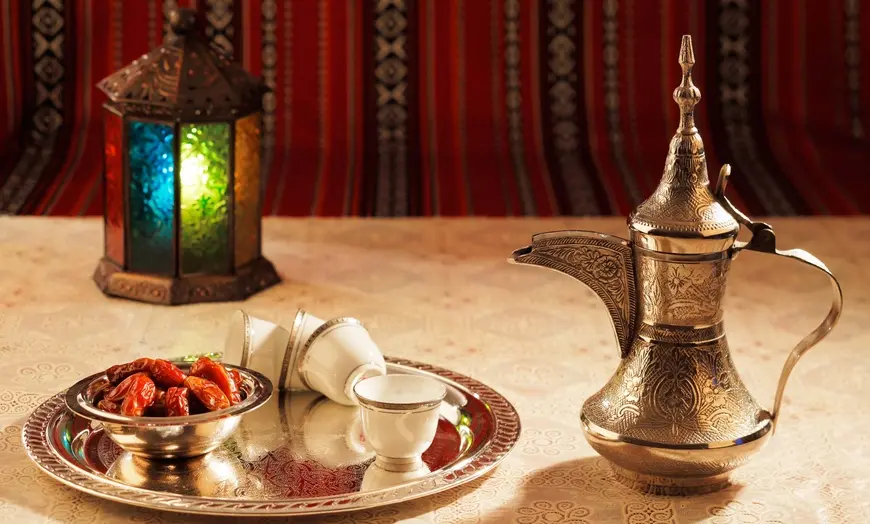
As Shaban progresses, thoughts naturally turn to Ramadan. The importance of Shaban month in Islam includes helping believers prepare for this sacred month with intention. Simple practices like planning daily prayers, organizing time for Quran recitation, and thinking about charitable acts can make Ramadan more meaningful.
Ramadan preparation tips often emphasize balance—between worship, family, and personal care. Shaban provides the opportunity to approach this preparation gradually, cultivating a sense of readiness without stress. This way, the start of Ramadan feels like a continuation of spiritual growth rather than a sudden change.
Embracing Hope and Renewal
Shaban is also a time for hope. It allows space to heal from previous challenges, mend relationships, and set intentions for a fresh spiritual start. The importance of Shaban month in Islam is reflected in its ability to nurture patience, forgiveness, and gratitude.
Small, everyday moments—waking early for prayer, sharing a meal with a neighbor, or quietly reflecting on our actions—make Shaban alive in our hearts. These acts of devotion, however simple, prepare us for Ramadan and infuse our lives with ongoing spiritual meaning.
Living Shaban in Daily Life
Each believer experiences Shaban uniquely. Some may choose extra prayers, others might focus on voluntary fasting or acts of charity. Families often spend time reflecting together, sharing prayers, and discussing the virtues of Shaban. In these moments, we see the importance of Shaban month in Islam come alive in everyday life, making faith tangible, relatable, and comforting.
Whether it is through quiet contemplation, helping someone in need, or sharing a heartfelt dua, Shaban is a month of practical spirituality. It teaches us that preparation is as much about small, sincere actions as it is about rituals.
A Gentle Guide for the Heart
At its core, the importance of Shaban month in Islam lies in creating space for reflection, intention, and spiritual growth. The month encourages us to listen to our hearts, act with sincerity, and embrace preparation with calmness rather than pressure.
May Shaban serve as a time of quiet renewal, where each prayer, act of charity, and moment of reflection shapes a more mindful, hopeful approach to life. By embracing its lessons, we step into Ramadan ready to connect with Allah, our communities, and ourselves in meaningful ways, carrying intention, peace, and hope throughout the year.
Frequently Asked Questions About Shaban
What is the significance of the month of Shaban in Islam?
Shaban is the month that comes right before Ramadan and acts as a time of spiritual preparation. It is a period when many Muslims increase their worship, reflect on their intentions, and think about how they want to approach the holy month ahead. This preparation allows hearts to turn gently toward deeper devotion, prayer, and reflection.
Did the Prophet ﷺ fast more in Shaban than other months?
Yes. The Prophet ﷺ is reported to have fasted more in Shaban than in any other month outside of Ramadan. This shows us the value of increasing our acts of worship and reflection during this special time.
Is it recommended to fast the whole month of Shaban?
Scholars differ on fasting the entire month. Some narrations suggest the Prophet ﷺ fasted most of Shaban, but he did not complete the whole month outside Ramadan. Many scholars encourage voluntary fasting in Shaban as a form of Shaban fasting for spiritual readiness rather than obligation.
Are there specific days in Shaban that are best for fasting?
There is no clear evidence from the teachings that specific days of Shaban hold special significance for fasting. Instead, the focus is on embracing voluntary fasts throughout the month as a way to prepare for Ramadan.
Why do people focus on prayer and good deeds in Shaban?
Shaban is seen as a time where deeds are presented to Allah, making it meaningful to engage in prayer, supplication, charity, and reflection. These acts help believers reconnect their intentions with the coming month of fasting and mercy.