
Suhoor and Iftar etiquette, breaking fast practices
Introduction
Fasting in Islam is not meant to be understood only through hunger and thirst. The Quran presents fasting as a journey of awareness, patience, and closeness to Allah. Within this journey, the importance of Suhoor and Iftar holds a special place. These two moments shape how a believer begins and ends each fasting day. They are not routine meals but acts of worship filled with meaning. When understood through the Quran and Sunnah, Suhoor and Iftar become daily lessons in discipline, gratitude, and self reform. This reflection explores how fasting connects the heart to Allah through these two simple yet powerful moments.
Fasting in the Quran as a Path to Conscious Living

The Quran introduces fasting as a means to develop taqwa, a deep awareness of Allah in everyday choices. Fasting trains the believer to pause before acting, to think before reacting, and to control desires. Hunger reminds the heart that strength does not come from food alone but from reliance on Allah. This Quranic purpose gives meaning to every fasting hour, including the moments before dawn and at sunset.
When fasting is seen through this lens, Suhoor and Iftar stop being physical necessities alone. They become spiritual markers that divide the day into trust and thankfulness. The believer begins the fast with intention and ends it with gratitude, guided by divine wisdom rather than habit.
Read More : https://theorbitquran.com/fasting-and-taqwa-piety-spiritual-renewal/
Why Timing Matters in Worship
The Quran gives great importance to timing in acts of worship. Prayer has fixed times, fasting has clear limits, and remembrance is encouraged at specific moments. Suhoor takes place in the quiet hours before dawn, a time praised in the Quran for reflection and seeking forgiveness. Iftar arrives at sunset, a moment that signals relief after patience.
These times teach balance. The believer learns to wait, to stop, and to begin again at Allah’s command. This discipline slowly shapes character and brings structure to spiritual life.
Suhoor as a Quiet Act of Sincerity
Suhoor often happens when most people are asleep. There is no audience and no display. This makes it a powerful act of sincerity. Eating before dawn with the intention to fast is a form of obedience that only Allah fully witnesses. The Prophet peace be upon him described blessing in Suhoor, pointing to a benefit beyond physical strength.
This pre dawn meal prepares the heart before preparing the body. It reminds the believer that worship can be simple and private yet deeply rewarded. Even a small amount eaten with intention carries spiritual weight.
Read More : https://theorbitquran.com/
Pre Dawn Meal Significance in Modern Life
In today’s fast paced world, sleep schedules are often disturbed and mornings are rushed. Suhoor becomes a moment to slow down. It creates space for calm before a long day of responsibilities. For many in recent years, fasting has become more challenging due to screen habits and late nights. Suhoor gently restores balance by encouraging rest, intention, and mindful preparation.
The pre dawn meal significance is not only physical endurance. It is mental clarity and emotional steadiness. Starting the fast with calm reflection helps the believer carry patience through the day.
Iftar as an Expression of Gratitude
Iftar is more than the end of hunger. It is a moment to recognize Allah’s mercy after hours of restraint. The Prophet peace be upon him encouraged breaking the fast promptly, teaching trust in divine timing. This act reflects obedience and gratitude rather than indulgence.
At Iftar, the heart learns thankfulness before satisfaction. The first sip of water or bite of food becomes a reminder that every blessing comes from Allah. This mindset protects fasting from turning into excess and keeps the focus on worship.
Read More : https://theorbitquran.com/contact-us/
Breaking Fast Practices Rooted in Simplicity
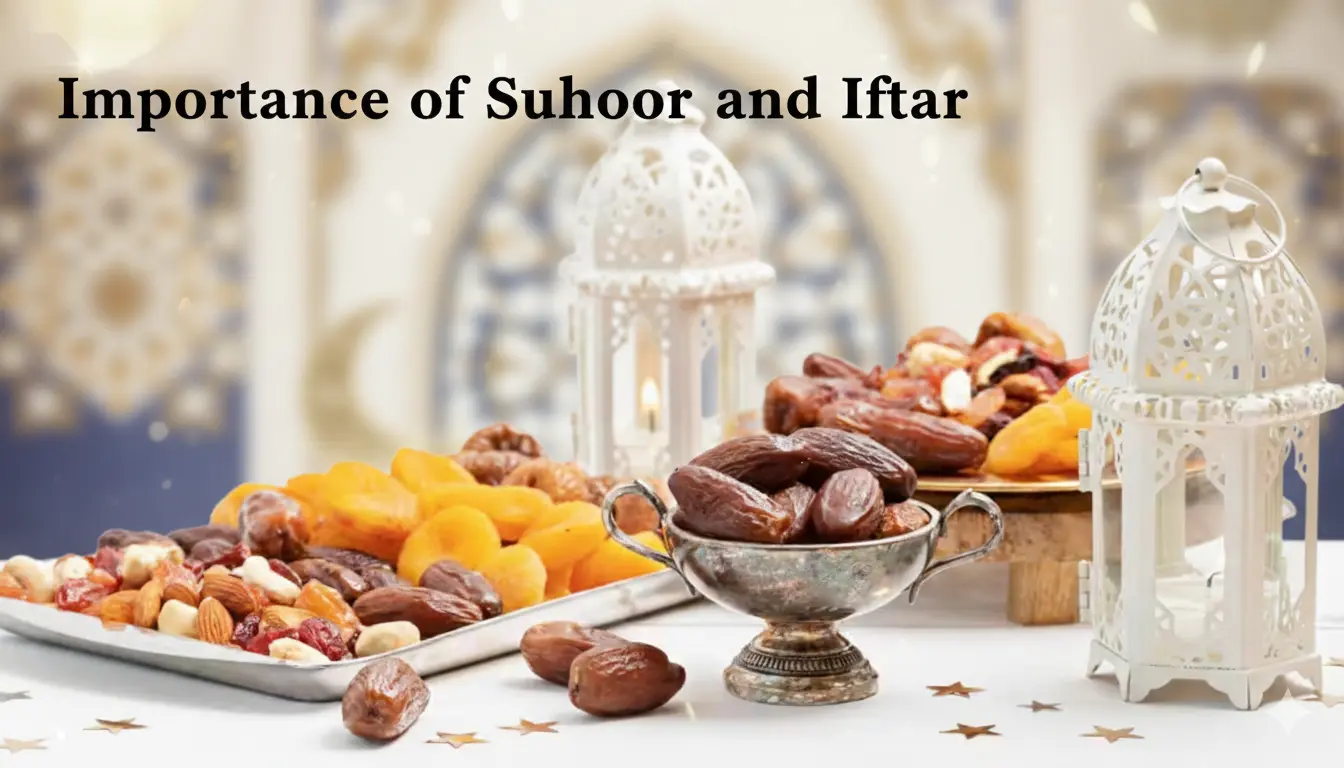
The Sunnah teaches simplicity in breaking the fast. Beginning with dates and water reflects moderation and care for the body. In a time when Iftar tables can become heavy and overwhelming, this guidance remains relevant. Simplicity keeps the soul light and focused.
Breaking fast practices rooted in Sunnah also protect health and spiritual clarity. Eating calmly allows space for prayer and reflection. It helps the believer move smoothly from fasting to worship without discomfort.
The Power of Dua at Iftar Time
The time of Iftar is known for acceptance of supplication. After a day of patience, the heart is softened and humble. This moment teaches believers to turn needs into prayers and trust Allah with outcomes. Dua at Iftar connects personal struggles with hope and reliance.
This practice builds a habit of seeking Allah during ease and hardship. Over time, it strengthens faith and brings comfort through consistent remembrance.
Suhoor and Iftar Etiquette and Character Building

Islamic etiquette around eating shapes character. Beginning with remembrance of Allah, eating with moderation, and avoiding waste all nurture humility. Suhoor and Iftar etiquette guide the believer toward respect for food and gratitude for provision.
These manners extend beyond Ramadan. They influence daily habits and relationships with others. Through simple actions, fasting teaches lasting values that shape behavior long after the month ends.
Community and Compassion Through Iftar
Sharing Iftar builds bonds within families and communities. It reminds believers of those who struggle to find food daily. Feeding others during Iftar carries great reward and reflects Quranic values of care and generosity.
In recent years, many have found renewed meaning in simple shared meals. This practice strengthens empathy and reduces isolation. Iftar becomes a space for kindness and connection.
Lessons Beyond Ramadan
The importance of Suhoor and Iftar does not end with Ramadan. These practices teach how to begin tasks with intention and end them with gratitude. Suhoor reflects preparation and sincerity. Iftar reflects patience and thankfulness.
Carrying these lessons into daily life helps believers remain mindful throughout the year. Fasting becomes a training ground for consistent worship and ethical living.
A Gentle Reflection to Carry Forward
Fasting as taught by the Quran is a gift meant to soften hearts and refine character. The importance of Suhoor and Iftar lies not only in sustaining the body but in shaping the soul. These moments invite believers to pause, remember Allah, and align daily life with divine guidance. As each new year approaches, returning to these simple practices can renew intention and strengthen faith. With mindful Suhoor and thoughtful Iftar, fasting becomes a source of hope, balance, and steady spiritual growth that continues far beyond Ramadan.
Frequently Asked Questions About Suhoor and Iftar
Why is Suhoor important even if a person does not feel hungry
Suhoor holds importance because it is a Sunnah and a source of blessing. Even a small amount eaten before dawn helps a fasting person begin the day with intention and obedience. Beyond physical strength, Suhoor prepares the heart for patience and worship, which is why the Prophet peace be upon him encouraged it.
Is fasting valid if Suhoor is missed
Yes, fasting remains valid if Suhoor is missed. However, missing Suhoor means missing its spiritual and practical benefits. Suhoor supports energy, focus, and intention, making the fast easier and more meaningful, especially during long days.
Why are duas accepted at the time of Iftar
The time of Iftar is a moment of humility after patience. A fasting person turns to Allah with a softened heart and genuine need. This state of reliance and gratitude is why supplications made at Iftar are known to be accepted by Allah.
What is the Sunnah way of breaking the fast
The Sunnah way is to break the fast promptly at sunset, beginning with dates and water while remembering Allah. This practice reflects moderation, trust in Allah’s timing, and care for both body and soul.
How can Suhoor and Iftar improve daily character
Suhoor teaches sincerity, preparation, and self control, while Iftar teaches gratitude, patience, and generosity. When practiced mindfully, these two moments shape habits that extend beyond Ramadan into daily life.
Section One: Daily Self Check Through Suhoor and Iftar
How fasting times quietly shape inner behavior and habits
| Aspect of Life | During Suhoor | During the Fast | At Iftar | Inner Lesson Learned |
|---|---|---|---|---|
| Intention | Quiet decision to obey Allah | Constant renewal of purpose | Gratitude at completion | Worship begins with intention and ends with thankfulness |
| Self Control | Eating with restraint | Resisting desires | Avoiding overeating | True control is consistency, not extremes |
| Patience | Waking up despite tiredness | Enduring hunger and thirst | Waiting for the exact time | Patience is practiced in small moments |
| Awareness of Allah | Pre dawn remembrance | Conscious actions throughout the day | Dua and remembrance | Allah is present in every phase |
| Gratitude | Appreciating simple food | Understanding deprivation | Thanking Allah openly | Gratitude grows through contrast |
Why this section adds value
This table helps readers self reflect daily, not just understand rulings. It turns Suhoor and Iftar into tools for personal accountability, which is rarely addressed directly.
Section Two: Common Modern Mistakes Around Suhoor and Iftar and Their Correct Islamic Direction
Addressing real life issues Muslims face today
| Common Habit Today | Why It Weakens the Fast | Correct Islamic Direction | Practical Adjustment | Long Term Benefit |
|---|---|---|---|---|
| Skipping Suhoor intentionally | Loss of blessing and focus | Suhoor as Sunnah and preparation | Eat even a small portion | Better energy and intention |
| Screen use at Suhoor | Distracts from intention | Quiet start to worship | Reduce phone use | Calm and mindful fasting |
| Overeating at Iftar | Weakens prayer and focus | Moderation from Sunnah | Eat slowly and simply | Stronger worship after Iftar |
| Turning Iftar into indulgence | Shifts focus from worship | Gratitude before satisfaction | Pause for dua first | Spiritual balance |
| Ignoring others at Iftar | Missed reward of sharing | Feeding others encouraged | Share food regularly | Increased compassion |