Suhoor and Iftar are often seen as the two meals of fasting, but in Islam they are far more than times to eat. They are moments filled with intention, mercy, and closeness to Allah. When understood properly, these times shape the entire fasting experience. They prepare the heart, train discipline, and open doors for sincere dua. Many Muslims search for dua for sehri and iftar in Arabic because they want to do things correctly, yet the deeper wisdom behind these moments is often overlooked. This article explores the importance of Suhoor and Iftar with a Quran centered mindset, focusing on spiritual meaning, daily practice, and heartfelt connection with Allah.
The spiritual foundation of Suhoor in Islam
Suhoor holds a special place in the life of a fasting person. It is a quiet time when the world slows down and the heart becomes more open to reflection. The Prophet Muhammad peace be upon him encouraged Suhoor because it carries blessing. This blessing is not limited to food. It includes strength for worship, clarity of intention, and calmness before the long day of fasting. Suhoor reminds the believer that fasting is not only about hunger but about preparing the soul for obedience. Even a small bite taken with awareness becomes an act of worship.
Why intention at Suhoor shapes the fast
Intention is the heart of every act of worship. At Suhoor, intention quietly forms within the heart without the need for long phrases or formal words. Many people search for after sehri dua with translation, hoping to find the correct wording. What matters most is the awareness that this fast is for Allah alone. When a person eats with this intention, the fast begins with sincerity. This inner focus helps a believer stay patient during the day and avoid actions that weaken the reward of fasting.
Making dua at Suhoor in your own words

Suhoor is an ideal time to speak to Allah in a personal way. The heart is soft, distractions are fewer, and sincerity comes easily. Dua at this time can include asking for strength to fast well, protection from anger, and guidance in daily actions. Whether the dua is in Arabic or another language, Allah hears and responds. Those who look for dua for sehri and iftar in English often feel comforted knowing that meaning matters more than language. The key is presence of heart and honesty.
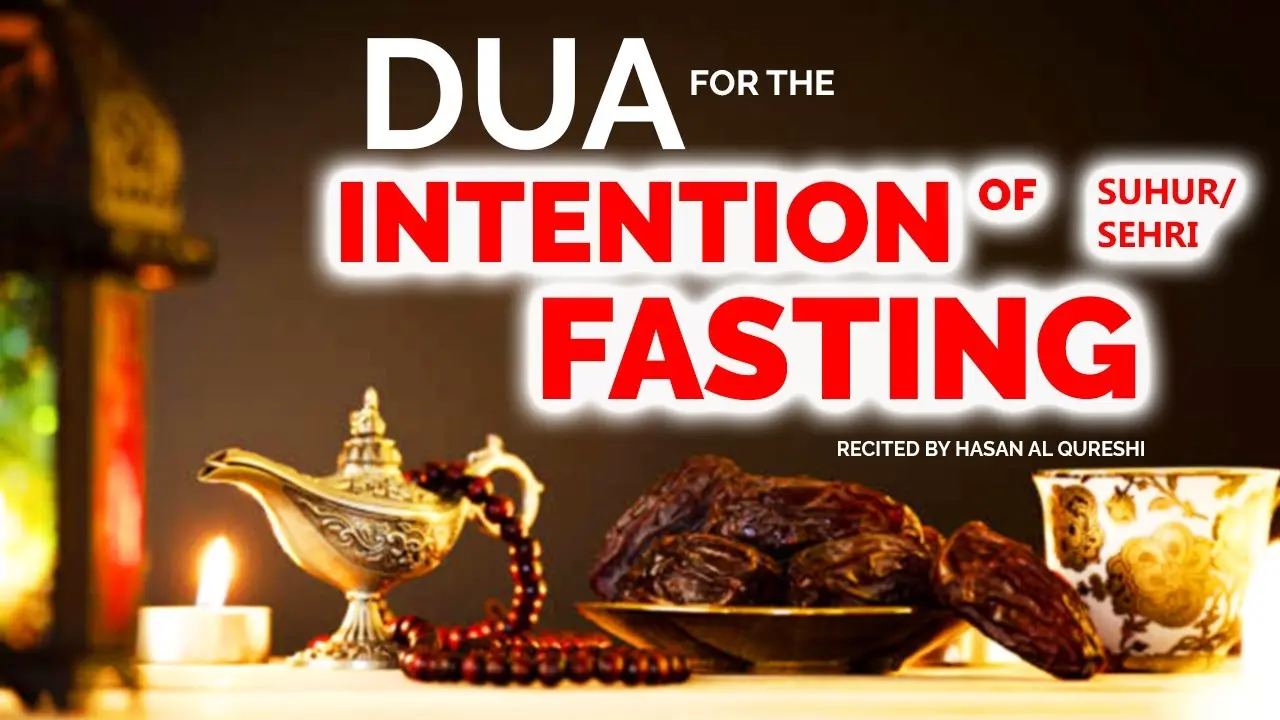
Dua for Sehri
وَبِصَوْمِ غَدٍ نَّوَيْتُ مِنْ شَهْرِ رَمَضَانَ
Wa bisawmi ghadinn nawaiytu min shahri Ramadan
I intend to keep the fast for tomorrow in the month of Ramadan
NOTE: There is no reference in Hadith for this Dua.
This word is not proven in any authentic hadith.
That is, this word is not found in the same form in the Quran or in any authentic hadith narrated from the Prophet ﷺ.
Then where did it come from?
This word has been written in jurisprudential books (especially Hanafi jurisprudence) to understand the meaning of intention, so that the common people understand the meaning of the night.
Jurisprudential principle:
Intention is the name of the intention of the heart, it must be said with the tongue.
(Authentic Reference)
Hadith of Intention (Basic Principle):
إِنَّمَا الأَعْمَالُ بِالنِّيَّاتِ
Actions are only by intentions
(Sahih Bukhari: 1, Sahih Muslim: 1907)
Hadith about the intention of fasting
Whoever does not intend to fast before dawn, then there is no fasting for him
مَن لَمْ يُبَيِّتِ الصِّيَامَ قَبْلَ الْفَجْرِ فَلَا صِيَامَ لَهُ
(Sunan Abu Dawud: 2454, Tirmidhi: 730)
➡️ Here too, the words are not specified, only the intention is required.
The connection between fasting and accepted dua
The Quran highlights the closeness of Allah to those who call upon Him, especially in the context of fasting. This shows that fasting and dua are deeply connected. When the body is restrained, the soul becomes more aware of its need for Allah. Suhoor sets this tone early in the day. A sincere dua at this time plants a seed that grows throughout the fast. It reminds the believer that fasting is not self denial alone but a path toward divine closeness.
Understanding the role of Iftar in worship
Iftar marks the moment when patience meets relief. It is a time when hunger ends and gratitude begins. The Prophet peace be upon him taught that the fasting person has a supplication that is not rejected at the time of breaking the fast. This makes Iftar one of the most hopeful moments of the day. Before reaching for food, the heart should turn to Allah. This pause transforms Iftar from a routine meal into an act of worship filled with meaning.
The authentic dua at the time of Iftar

The Sunnah includes a well known dua recited after breaking the fast that expresses gratitude and hope for reward. Its meaning reflects relief from thirst and trust in Allah. Understanding the meaning helps deepen the experience. Rather than rushing through the words, reflecting on their message allows the heart to feel contentment. Those seeking dua for sehri and iftar in Arabic often benefit most when they also understand what they are saying and why it matters.
Pausing before eating at Iftar
In many homes, Iftar becomes rushed due to hunger and excitement. Taking a brief pause before eating can change everything. This moment allows the believer to make a personal dua, thank Allah, and remember the purpose of fasting. Even a short pause brings calm and focus. It teaches patience and mindfulness, qualities that fasting aims to develop. Over time, this habit can influence how a person approaches other aspects of worship and daily life.
Gratitude as the heart of Iftar
Iftar naturally brings gratitude because hunger makes blessings feel real. This gratitude should go beyond food. It can include thanks for health, faith, family, and the chance to worship. Expressing gratitude at Iftar softens the heart and reduces complaints. It also strengthens trust in Allah. When gratitude becomes part of Iftar, the fast feels lighter and more meaningful, and the spiritual benefits extend beyond Ramadan.
Common misunderstandings about dua at Suhoor and Iftar
Many people believe that missing a specific dua means their fast is incomplete. This misunderstanding causes unnecessary worry. Islam does not place such burdens on believers. The essence of dua is sincerity, not memorization. Whether one recites a known supplication or speaks from the heart, Allah listens. Clearing these misconceptions helps believers focus on worship with peace rather than anxiety.
Dua for sehri and iftar in Ramadan as a daily routine

Ramadan offers a daily rhythm of intention, restraint, and gratitude. Suhoor begins the day with purpose, and Iftar ends it with reflection. Making dua at both times creates balance. Suhoor dua asks for help in obedience, while Iftar dua expresses thanks and hope. This routine strengthens faith gradually. Over the month, these moments shape character and deepen awareness of Allah in daily life.
Teaching children the meaning of Suhoor and Iftar
Children often experience Ramadan through food and family gatherings. Teaching them the spiritual meaning of Suhoor and Iftar helps build a strong foundation. Simple explanations about intention, gratitude, and patience can make these moments meaningful for them. Encouraging children to make short duas in their own words builds confidence and love for worship. These early lessons often stay with them for life.
Managing busy schedules during Suhoor and Iftar
Modern life can make Suhoor and Iftar feel rushed. Work, school, and responsibilities do not stop during Ramadan. Planning simple meals and reducing distractions helps protect the spiritual value of these times. Even a few quiet moments for dua can make a difference. Islam values consistency over perfection, and small efforts made with sincerity carry great reward.
The role of community at Iftar
Sharing Iftar with others strengthens bonds and spreads kindness. When people gather to break their fast together, the atmosphere becomes one of mercy and unity. The Sunnah includes a beautiful supplication for those who provide food for fasting people. Making this dua reminds everyone that generosity is part of worship. Community Iftar moments often leave lasting impressions of warmth and belonging.
Personal growth through mindful fasting
Suhoor and Iftar frame the fasting day, but their impact reaches further. When approached mindfully, they teach self control, gratitude, and empathy for those in need. These qualities shape behavior beyond Ramadan. A person who learns to pause before eating and reflect at Iftar is more likely to pause before speaking or reacting in daily life. This is how fasting becomes a tool for lasting self improvement.
Carrying the lessons beyond Ramadan
The habits formed during Ramadan do not need to end with the month. Making dua before meals, eating with intention, and pausing for gratitude can continue throughout the year. Suhoor and Iftar teach timeless lessons about awareness and dependence on Allah. Applying these lessons daily helps maintain spiritual balance and keeps the heart connected to its purpose.
Reflection on sincerity in worship
Sincerity is the thread that ties Suhoor, Iftar, fasting, and dua together. Without sincerity, actions lose their depth. With sincerity, even simple acts become meaningful. Suhoor eaten quietly and Iftar broken with gratitude reflect a heart that seeks Allah. This sincerity brings peace and contentment that cannot be measured by outward actions alone.
A gentle reminder about Allah’s mercy
Allah’s mercy surrounds every act of worship. He does not require perfect words or flawless routines. He looks at intention and effort. Suhoor and Iftar are daily reminders of this mercy. Each day offers a fresh chance to begin with intention and end with gratitude. This cycle builds hope and trust in Allah’s kindness.
A hopeful closing reflection
Suhoor and Iftar are not only about starting and ending a fast. They are moments where the heart can speak freely and find comfort in Allah’s presence. When approached with awareness, these times shape faith, character, and daily life. As the year moves forward, carrying the spirit of Suhoor and Iftar can bring calm and purpose into ordinary days. May these moments remind us to begin with intention, end with gratitude, and keep our hearts connected to Allah in every season.
Spiritual Dimensions of Suhoor and Iftar Beyond Food
This table helps readers understand what is happening spiritually during Suhoor and Iftar, not just what to recite. It connects daily practice with inner reform.
| Aspect of Fasting | Suhoor Time Insight | Iftar Time Insight | Inner Impact on the Heart | Real Life Application |
|---|---|---|---|---|
| Awareness of Allah | Begins the fast with remembrance and intention | Ends the fast with gratitude and reliance | Builds continuous God consciousness | Starting and ending daily routines with awareness |
| Self Discipline | Eating with restraint and purpose | Waiting patiently before breaking fast | Trains control over desires | Improves patience in work and relationships |
| Dependence on Allah | Seeking strength for the day ahead | Acknowledging provision from Allah | Reduces arrogance and self reliance | Accepting limits and asking for help |
| Gratitude | Recognizing food as a blessing before hunger | Feeling deep thankfulness after hunger | Softens the heart | Appreciating simple daily blessings |
| Spiritual Consistency | Daily renewal of intention | Daily reflection and closure | Creates steady spiritual growth | Maintaining worship habits beyond Ramadan |
| Empathy for Others | Conscious choice to eat less | Remembering those who lack food | Increases compassion | Encourages charity and kindness |
Section Two
Common Mistakes and Correct Mindsets at Suhoor and Iftar
This table addresses silent struggles and misunderstandings Muslims face, without repeating dua content. It helps readers correct habits gently and realistically.
| Common Practice | Why It Happens | Correct Islamic Mindset | Heart Level Adjustment | Long Term Benefit |
|---|---|---|---|---|
| Rushing Suhoor without reflection | Sleepiness and busy schedules | Even a few moments of intention are enough | Shifting from routine to purpose | Stronger consistency in worship |
| Treating Iftar as only a meal | Hunger and social habits | Iftar is a moment of acceptance | Learning to pause and reflect | Deeper connection with Allah |
| Worrying about exact words of dua | Fear of doing it wrong | Allah values sincerity over wording | Confidence in personal supplication | Peace of mind in worship |
| Overeating at Iftar | Physical hunger after fasting | Moderation is part of Sunnah | Respecting the body as a trust | Better focus in night worship |
| Forgetting the spiritual goal | Focus on food and gatherings | Fasting is for self reform | Aligning actions with intention | Character improvement beyond Ramadan |
| Limiting dua to Ramadan | Seasonal mindset | Dua is a daily need | Building lifelong reliance on Allah | Stable faith throughout the year |
Frequently Asked Questions (FAQ)
What is the best dua to recite at Suhoor?
There is no specific dua prescribed in the Sunnah for Suhoor. The Prophet ﷺ emphasized intention in the heart and saying Bismillah before eating. Any sincere supplication asking Allah for strength, guidance, or forgiveness is accepted. The key is presence of heart and awareness that the fast is for Allah.
Should I say a specific dua when breaking my fast at Iftar?
Yes, the Prophet ﷺ taught that the fasting person’s dua at Iftar is not rejected. A commonly narrated dua is: Allahumma inni laka sumtu wa bika aamantu wa ‘alayka tawakkaltu wa ‘ala rizq-ika-aftartu, meaning “O Allah, for You I fasted, in You I believe, upon You I rely, and with Your provision I break my fast.” Saying it with reflection and gratitude is more important than exact wording.
Can I make dua in my own language at Suhoor or Iftar?
Absolutely. Allah understands all languages. While Arabic duas have special blessing and are part of Sunnah, heartfelt personal supplication in any language is valid and often easier to connect with emotionally.
Is verbal intention required for fasting?
No. The intention (niyyah) resides in the heart. A silent intention before Suhoor or at the beginning of the fast is sufficient. Speaking the intention aloud is optional and not mandatory according to authentic Hadith.
Are there recommended duas for providing Iftar to others?
Yes, the Prophet ﷺ taught a special supplication:
اَفْطَرَعِنْدَ کُمُ الصَّآئِمُوْنَ وَاَکَلَ طَعَامَکُمُ الْابَرَارُ وَصَلَّتْ عَلَیْکُمُ الْمَلَآئِکَةُ ۔
افطارکیا کریں تمہارے یہاں روزہ دار لوگ اور کھایا کریں تمہارا کھانا نیک لوگ اور رحمت کی دعا کیا کریں تمہارے لئے فرشتے ۔
May the fasting (people) break their fast in your home, and may the dutiful and pious eat your food, and may the angels send prayers upon you.
” This highlights the spiritual reward of generosity and hospitality.