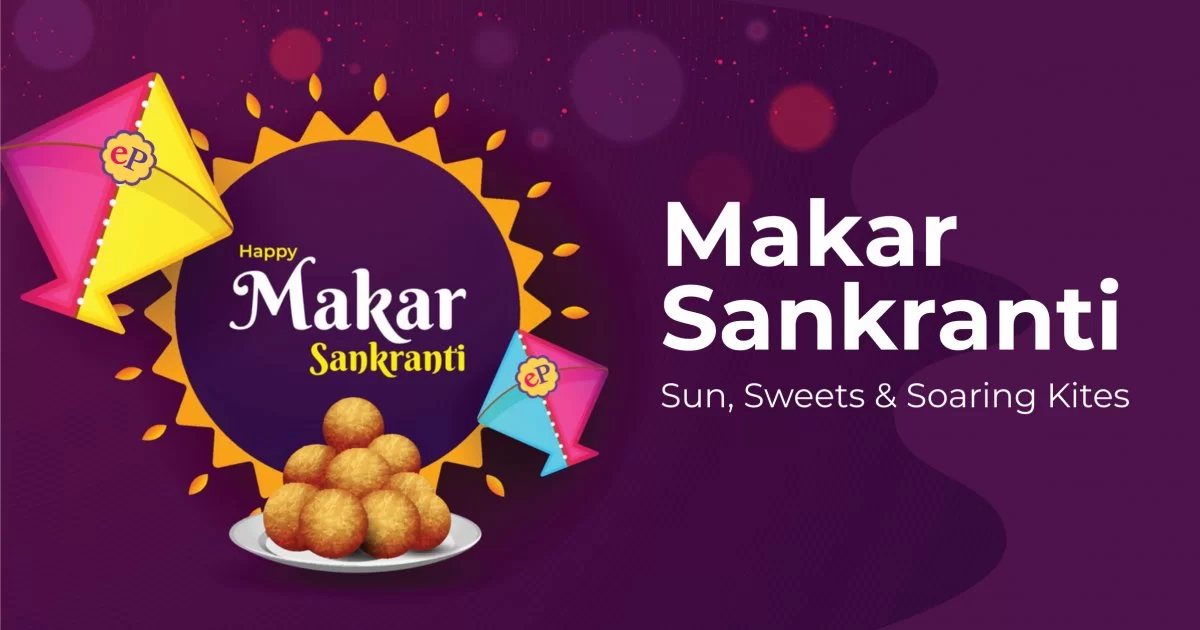
As a new year begins, many people quietly search for peace, balance, and the right direction in life. The month of January often brings a calm and gentle atmosphere after the rush of celebrations. It becomes a time to pause, reflect, and think deeply about life, faith, and intention. The Makar Sankranti Festival also arrives during this season of reflection and holds deep meaning for millions of people around the world. It is associated with hope, renewal, and gratitude for light and warmth. Understanding this occasion can open the door to thoughtful reflection on worship, belief, and the human search for truth.
Symbolic Significance of the Makar Sankranti Festival
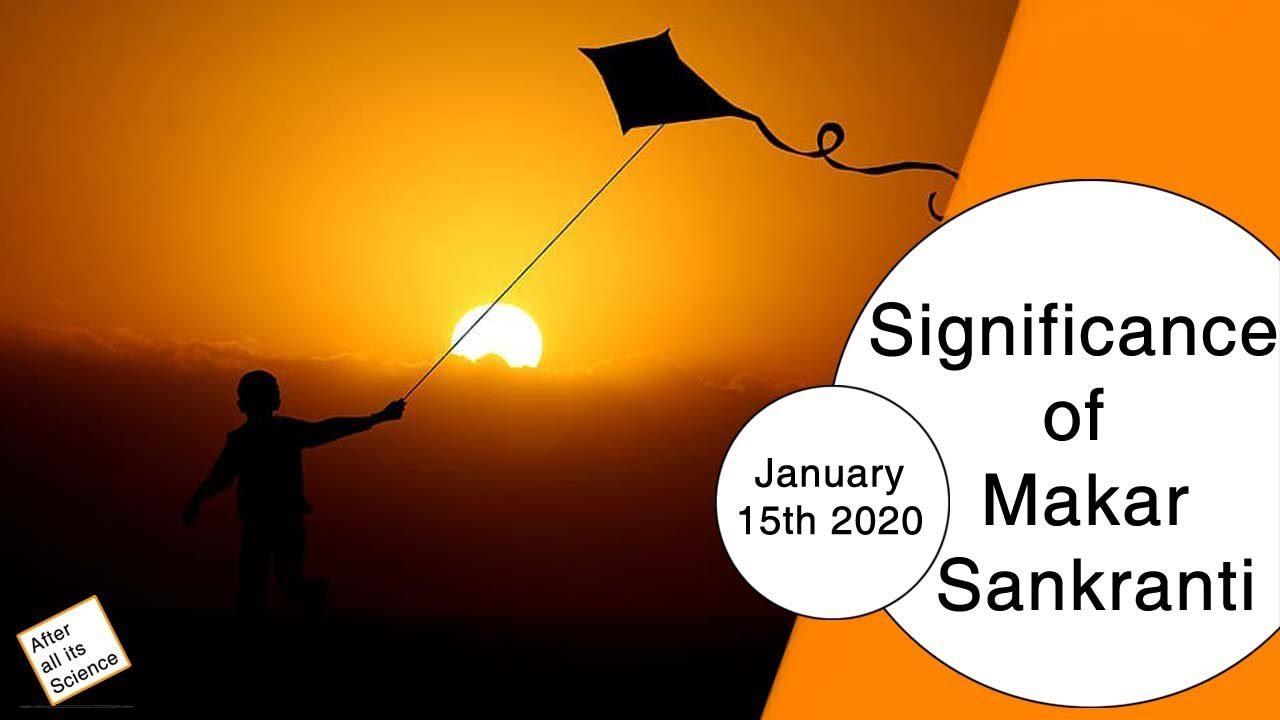
The Makar Sankranti Festival is linked to the movement of the sun as it enters the zodiac sign of Capricorn (Makar). This transition is considered a positive turning point because the days gradually begin to grow longer and brighter. In Hinduism, within the context of Makar Sankranti, the sun is regarded as a source of life and cosmic order. This festival differs from many other Hindu religious festivals because it follows the solar calendar. Its fixed date gives people a sense of harmony with nature and continuity in life.
Cultural Roots and Historical Importance
Historically, the Makar Sankranti Festival has been closely connected to agriculture and seasonal change. Ancient societies depended on the sun for farming, which is why its movement held great importance. Over time, these observations became part of Hindu beliefs and traditions. The festival became a symbol of shared memory and cultural identity. Even today, it remains one of the prominent Hindu cultural festivals. Families living outside South Asia also observe it as a way to stay connected to their ancestral heritage and traditions.
Spiritual Meaning and Inner Reflection
For many followers, the Makar Sankranti Festival carries a strong spiritual message. Its spiritual meaning is often described as a journey from darkness toward light. This inner transformation encourages discipline, generosity, and awareness. Sun worship in Hinduism represents respect for a force believed to sustain life. The significance of Makar Sankranti lies in aligning personal actions with cosmic order. It reminds individuals to reflect on their behavior, intentions, and responsibilities toward others.
How Makar Sankranti Is Observed Today
In the modern era, the Makar Sankranti Festival is observed through prayers, family gatherings, and acts of charity. Many people visit places of worship and express gratitude for the blessings they have received. These practices reflect common themes found in Hindu religious festivals, such as gratitude and community connection. Hindu communities living in the United States, the United Kingdom, Canada, and Australia also celebrate this festival as a means of strengthening family bonds. Like other Hindu cultural festivals, it connects spiritual values with everyday life.
Islam Explained as a Pure Religion
While learning about the Makar Sankranti Festival, it is also important to understand how Islam views worship and belief. Islam is a pure religion founded on the belief that worship belongs exclusively to one Creator. Islam teaches monotheism clearly and without ambiguity. The oneness of Allah in Islam is known as Tawheed. The distinction between Tawheed and Shirk forms the foundation of Islamic belief. Faith in one God shapes the Islamic way of life and preserves the purity of Islamic belief without intermediaries or shared divinity.
The Quran invites us:
إِنَّ ٱللَّهَ لَا يَغْفِرُ أَن يُشْرَكَ بِهِ
Indeed, Allah does not forgive associating partners with Him.
— Surah An-Nisa 4:48
The Quran invites us:
لَكُمْ دِينُكُمْ وَلِيَ دِينِ
For you is your religion, and for me is my religion.
— Surah Al-Kafirun 109:6
Islamic Perspective on Festivals of Other Religions
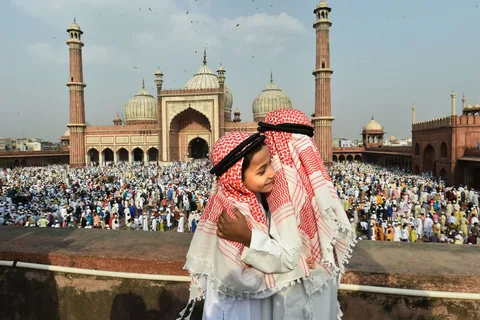
A common question arises: Can Muslims celebrate Makar Sankranti, or what does Islam say about Hindu festivals? Islamic rulings on festivals are guided by the teachings of the Quran and the Sunnah of the Prophet ﷺ. Islam teaches respect for followers of other religions but does not permit participation in non-Islamic religious rituals. This clearly highlights the difference between Islamic and Hindu beliefs, especially when comparing Islam and idol worship or Tawheed and Shirk. Islam emphasizes sincerity and clarity in worship.
The Quran invites us:
ٱدْعُ إِلَىٰ سَبِيلِ رَبِّكَ بِٱلْحِكْمَةِ وَٱلْمَوْعِظَةِ ٱلْحَسَنَةِ
Invite to the way of your Lord with wisdom and good instruction.
— Surah An-Nahl
Reflection Through Comparison and Guidance
Learning about the Makar Sankranti Festival can lead some readers to reflect more deeply on belief and truth. Many people ask why Islam is described as a pure religion. Guidance from the Quran emphasizes simplicity, sincerity, and direct worship of Allah alone. Islamic principles of worship are based on accountability and purpose. Following the Quran and Sunnah provides a clear path for spiritual life. For seekers of truth, this comparison can become an opportunity for honest reflection rather than conflict.
A Gentle Closing Reflection
As the year moves forward, occasions like Makar Sankranti remind us that people around the world seek light, peace, and meaning. Understanding different traditions can promote mutual awareness, but true peace often comes from clarity in faith. Islam invites hearts toward the oneness of Allah and a life filled with purpose and balance. The new year quietly offers an opportunity to reflect, ask sincere questions, and seek truth with humility. Many find comfort in a path based on unity, guidance, and devotion to one Creator.
Frequently Asked Questions About Faith and Festivals
Can Muslims celebrate Makar Sankranti?
Islamic rulings guide Muslims to follow worship rooted in the teachings of the Quran. While Islam allows respect toward followers of other religions, it does not permit participation in religious rituals outside the Islamic way of life. This approach protects the purity of Islamic faith and keeps worship focused solely on one God.
What does Islam say about Hindu festivals?
The Islamic view on Hindu festivals is based on clear beliefs. Islam teaches monotheism and does not accept practices connected to idol worship. Muslims are encouraged to maintain good character and peaceful relationships while remaining firm in their faith. This balance reflects guidance from the Quran and the teachings of the Prophet ﷺ.
Why does Islam forbid idol worship?
Islam forbids idol worship because it contradicts the oneness of God. The distinction between Tawheed and Shirk explains that worship must be directed only to the Creator. Associating partners with Allah goes against belief in one God. This clarity is what makes Islam a pure religion in belief and worship.
Why is Islam called a pure religion?
Many people ask why Islam is described as a pure religion. The answer lies in its simplicity and direct connection with Allah. There are no intermediaries in worship. The Quran and Sunnah guide life, ethics, and spirituality. This system preserves the purity of Islamic faith and provides a clear path for believers.
What is the difference between Islam and Hinduism in belief?
The primary difference between Islam and Hinduism lies in the concept of God. Islam teaches absolute oneness, while Hindu traditions include multiple forms of worship. This comparison often encourages seekers of truth to reflect on the difference between Tawheed and Shirk and the clarity found in Islamic principles of worship.