
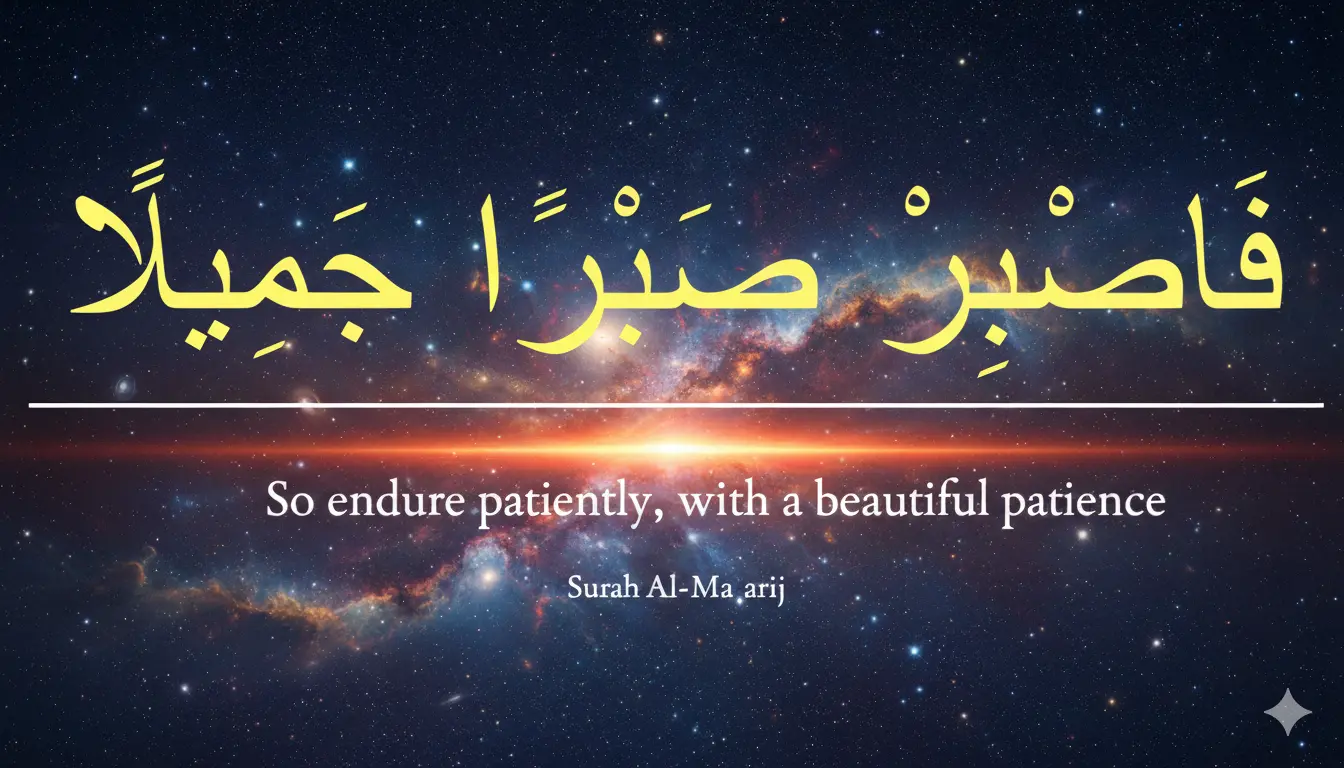
Patience and fasting are closely tied in Islam because both ask the heart to pause before reacting. Fasting is not only about staying away from food and drink. It is a daily practice of restraint, awareness, and trust in Allah. When a believer fasts, they are gently trained to slow down their desires and listen to their conscience. This is why the Quran often links patience with success, guidance, and divine help.
Learning patience in Ramadan shapes the rest of the year. For many people, Ramadan becomes a reset for the heart. The habits built during fasting do not end at iftar. They quietly influence how we speak, how we react, and how we deal with challenges long after the month has passed.
Intention as the First Step of Patience
Every fast begins before dawn, not with hunger, but with intention. Making intention is an act of patience because it means choosing Allah before choosing comfort. A believer decides in advance to delay what is lawful for a higher purpose. This quiet decision sets the tone for the entire day.
Patience through fasting begins here. When intention is clear, the fast becomes lighter on the heart even if the body feels weak. This teaches that patience is not passive. It is an active choice made with awareness and trust in Allah.
Read More : https://theorbitquran.com/
Hunger and the Discipline of the Self
Hunger has a unique way of revealing the inner self. When food is removed, the nafs becomes louder. Fasting teaches how to say no without anger or frustration. This daily practice strengthens self control in a gentle but lasting way.
Emotional control in fasting becomes visible here. A person learns that discomfort does not have to lead to harsh words or rushed decisions. Hunger becomes a teacher that reminds the believer that they are capable of restraint, even when the body asks for ease.
Thirst and Silent Endurance

Thirst is often harder than hunger. It cannot be distracted easily. During fasting, thirst teaches a form of patience that is quiet and deeply personal. There are moments when no one knows the struggle except Allah.
This type of patience builds sincerity. There are no words spoken and no complaints shared. The heart learns to endure with trust. Over time, this silent endurance shapes how a believer faces other forms of difficulty in life.
Emotional Control During Fasting Hours
Fasting brings physical weakness, and with it emotional sensitivity. Small issues may feel heavier. This is where fasting becomes a mirror. It shows how we handle irritation, stress, and disagreement.
Emotional control in fasting is not about suppressing feelings. It is about choosing calm over reaction. When a fasting person steps back instead of responding harshly, they practice patience that carries into family life, work, and social spaces.
Protecting the Tongue Through Patience
One of the most important lessons of fasting is control of speech. A person may stay hungry all day, yet lose the spirit of fasting through careless words. Patience protects the tongue from backbiting, lies, and hurtful speech.
Fasting teaches that silence can be an act of worship. Holding back words that cause harm requires more patience than speaking. Over time, this restraint softens character and strengthens trust between people.
Read More : https://theorbitquran.com/moon-sighting-ramadan/
Waiting for Iftar and Trust in Allah

The moments before iftar are a daily reminder of divine timing. The food is ready, the body is tired, yet the believer waits. This waiting builds reliance on Allah and respect for His boundaries.
Learning patience in Ramadan often happens here. The believer learns that relief always comes, but only at the right time. This lesson quietly prepares the heart to wait for answers, ease, and guidance in other areas of life.
Gratitude Born From Restraint
Fasting removes comfort so that gratitude can return. When the fast is broken, simple food feels valuable. Water feels like a blessing. This shift in perspective is one of the gifts of patience through fasting.
Gratitude that comes after restraint is deeper and more sincere. It teaches the heart not to take daily blessings for granted. This awareness often remains long after Ramadan, shaping a more thankful and content life.
Patience With Family and Daily Interactions
Fasting does not pause family responsibilities. Parents still care for children. Spouses still communicate. This is where patience becomes visible in real life. Hunger can easily turn into tension if the heart is not guarded.
Fasting encourages gentleness at home. Choosing soft speech and understanding during moments of weakness builds stronger relationships. These moments of patience are often more valuable than long acts of worship done in isolation.
Physical Weakness and Humility
Fasting reminds a person of their limits. Energy drops. Focus becomes harder. This weakness is not a flaw. It is a lesson in humility. Patience grows when a believer accepts their dependence on Allah.
Through fasting, strength is redefined. It is no longer about physical power, but about inner steadiness. This humility opens the door to sincerity and deeper reliance on divine support.
Patience Beyond Ramadan

The true success of fasting appears after Ramadan ends. The habits of restraint, calmness, and awareness are meant to continue. Patience through fasting becomes a foundation for daily life.
A believer who carries this patience forward responds differently to stress, delay, and disappointment. The training of Ramadan becomes a quiet companion throughout the year, guiding actions and intentions.
Read More : https://theorbitquran.com/contact-us/
A Gentle Reflection for the Coming Year
Fasting and patience train the believer’s heart, preparing it for a balanced and faithful life without causing burden. Each fast teaches restraint. Each moment of patience strengthens trust in Allah. As a new year approaches, these lessons invite quiet reflection.Decide which habits you will keep. Actively soften your reactions. Renew your intentions with conscious effort.
Fasting shows that change does not come through force, but through steady practice. With sincere intention and gentle effort, patience becomes a source of peace. And fasting becomes more than a ritual. It becomes a path toward clarity, humility, and hope for the days ahead.
Frequently Asked Questions About Patience and Fasting
How does fasting help develop patience in Islam
Fasting trains patience by teaching restraint in everyday actions. A fasting person avoids food, drink, and harmful behavior even when it is difficult. This repeated restraint strengthens self control and helps the believer respond calmly to challenges. Over time, patience through fasting becomes part of a person’s character, not only an act of worship.
What is the connection between patience and fasting in the Quran
The Quran often connects patience with divine help, reward, and guidance. Scholars explain that fasting is one of the clearest practical forms of patience because it combines endurance, obedience, and self control. This is why fasting is described as a path toward taqwa and inner discipline.
How can I control anger and emotions while fasting
Emotional control in fasting begins with awareness. Hunger and tiredness can increase irritation, but fasting teaches the believer to pause before reacting. Remembering that fasting includes behavior and speech helps calm the heart. Seeking quiet moments, making dua, and choosing silence can reduce anger during fasting hours.
Is fasting only about staying hungry and thirsty
Fasting is much more than physical restraint. It also includes guarding the tongue, eyes, and heart. Patience while fasting means avoiding harmful speech, sinful actions, and negative thoughts. When practiced this way, fasting becomes a complete form of spiritual training, not just a physical experience.
How can patience learned in Ramadan last all year
The habits built during Ramadan continue through conscious effort. Applying the same restraint to speech, reactions, and desires outside Ramadan helps preserve its impact. When fasting teaches patience, it creates a mindset that supports steady worship, better relationships, and trust in Allah throughout the year.
Section 1: How Patience and Fasting Shape Modern Muslim Life Scenarios
This table connects patience and fasting with real life situations Muslims face today, especially those not directly covered in the main article.
| Life Situation | Common Struggle Faced | How Fasting Trains Patience | Practical Outcome in Daily Life | Long Term Spiritual Benefit |
|---|---|---|---|---|
| Digital overload and constant phone use | Restlessness and lack of focus | Fasting teaches delaying impulses and resisting urges | Better control over screen time and attention | Increased khushu and presence with Allah |
| Workplace pressure during Ramadan | Irritability and burnout | Fasting builds endurance without complaint | Calm responses and professionalism | Trust in Allah for sustenance and ease |
| Delayed goals and unanswered plans | Frustration and doubt | Waiting for iftar trains acceptance of timing | Reduced anxiety over outcomes | Stronger belief in divine wisdom |
| Social comparison and jealousy | Discontent and sadness | Fasting weakens attachment to excess | Contentment with what Allah gives | Inner peace and gratitude |
| Loneliness and emotional fatigue | Feeling unseen or overwhelmed | Silent patience develops inner strength | Emotional stability without validation | Deeper reliance on Allah |
Section 2: Hidden Forms of Patience Practiced During Fasting
This table highlights less discussed dimensions of patience that fasting develops quietly, adding depth beyond physical hunger and thirst.
| Hidden Form of Patience | What It Looks Like During Fasting | Why It Is Often Overlooked | How Fasting Strengthens It | Impact on Character |
|---|---|---|---|---|
| Patience with oneself | Accepting low energy and mistakes | Focus is usually on external behavior | Fasting teaches self mercy and balance | Reduced self criticism and burnout |
| Patience with slow progress | Not seeing instant spiritual change | People expect quick results in Ramadan | Daily restraint builds gradual growth | Long term consistency in worship |
| Patience in private struggles | Battling thoughts and desires alone | Not visible to others | Fasting rewards unseen effort | Sincerity and humility |
| Patience with routine worship | Repeating prayers despite tiredness | Seen as basic obligation | Fasting renews intention daily | Strong discipline and devotion |
| Patience with silence | Choosing not to explain or justify | Culture encourages constant expression | Fasting values restraint over reaction | Calm speech and wisdom |