Introduction
Many Muslim women in the UK, USA, and Canada search online for what is often called the “pregnancy surah,” referring to Surah Nuh ayat 10 to 12. These verses are widely shared on social media as a source of comfort for couples hoping to conceive.
This blog post explains what these three verses actually say, their Arabic text, their English translation, and the authentic meaning behind them. We will also look honestly at how the “pregnancy” connection came about, and what the Quran and Hadith actually establish versus what is popular tradition.
This guide is written for beginners, students, and general readers who want a source-checked explanation rather than an unverified social media claim, so that any hope placed in these verses rests on a correct understanding of the Quran.
Surah Nuh Ayat 10-12 in Arabic
The three verses read as follows in Arabic:
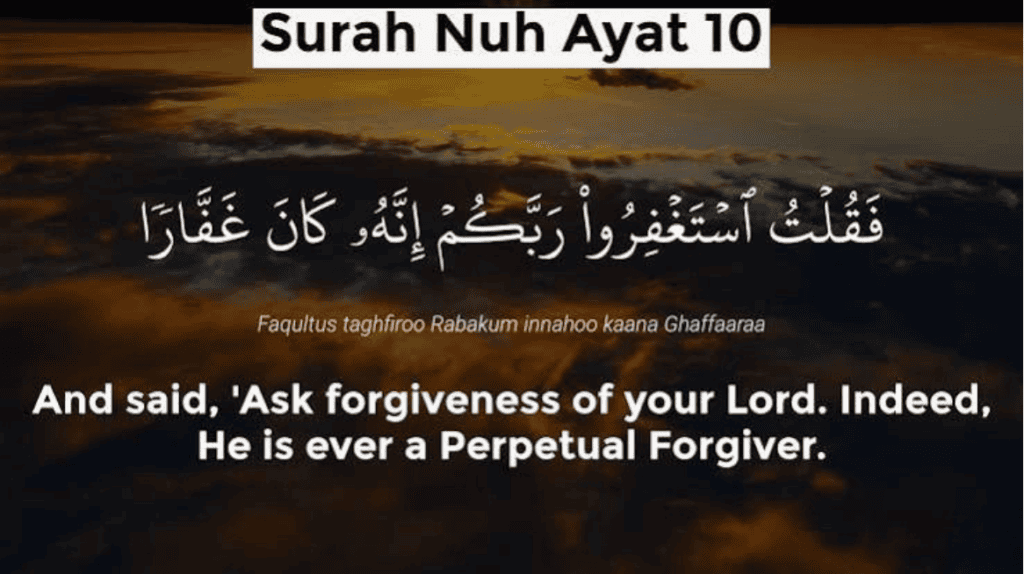
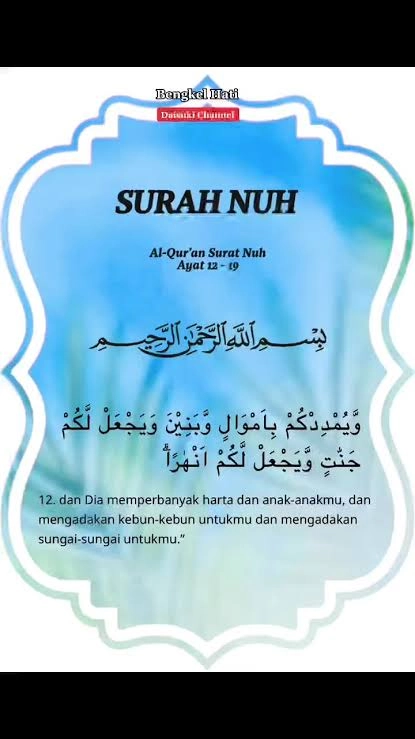
فَقُلْتُ اسْتَغْفِرُوا رَبَّكُمْ إِنَّهُ كَانَ غَفَّارًا (١٠) يُرْسِلِ السَّمَاءَ عَلَيْكُم مِّدْرَارًا (١١) وَيُمْدِدْكُمْ بِأَمْوَالٍ وَبَنِينَ وَيَجْعَل لَّكُمْ جَنَّاتٍ وَيَجْعَل لَّكُمْ أَنْهَارًا (١٢)
These verses form part of the words spoken by Prophet Nuh (peace be upon him) to his people, recorded in Surah Nuh, the 71st chapter of the Quran.
The transliteration reads: “Faqultu istaghfiroo rabbakum innahu kaana ghaffaara. Yursilis-samaa’a ‘alaikum midraaraa. Wa yumdidkum bi-amwaalin wa baneena wa yaj’al lakum jannaatin wa yaj’al lakum anhaaraa.”
English Translation of Surah Nuh 10-12
The meaning in English is as follows: “And said, ‘Ask forgiveness of your Lord. Indeed, He is ever a Perpetual Forgiver. He will send [rain from] the sky upon you in [continuous] showers. And give you increase in wealth and children and provide for you gardens and provide for you rivers.'”
This translation reflects the widely accepted rendering used by major English translations of the Quran, including those commonly referenced by Islamic scholars in the UK, USA, and Canada.
Read plainly, the verses describe Prophet Nuh urging his disbelieving people toward istighfar, promising them rain, wealth, offspring, gardens, and rivers as a result of turning back to Allah in sincere repentance.
Read More ; Best Way to Study Quran Online: A Practical Guide for Beginners
The Context: Prophet Nuh’s Call to His People
Surah Nuh tells the story of a prophet who spent centuries calling his people to worship Allah alone, facing rejection and mockery throughout. Verses 10 to 12 capture part of his appeal, where he reminds them that seeking forgiveness is not only about the Hereafter.
According to classical tafsir, Prophet Nuh was addressing a community that had grown arrogant and materially struggling due to their persistent disbelief. He presented istighfar as the key that would reopen the doors of provision that their sins had closed.
Understanding this context matters. The promise of wealth and children in verse 12 is directed at people who had turned away from Allah entirely; it illustrates a general principle of Quranic theology rather than a specific ritual formula tied to reproductive outcomes.
Why These Verses Are Linked to Pregnancy
The word “baneen” in verse 12 means “children” or “sons,” which is why many people online refer to this passage as the pregnancy surah. Since the verse explicitly promises children as a result of istighfar, some couples struggling to conceive have adopted these ayat as a source of hope and dua.
It is important to state honestly that there is no authentic hadith in which the Prophet Muhammad (peace be upon him) specifically prescribed reciting Surah Nuh ayat 10-12 as a dedicated ritual for pregnancy or conception. The popular practice is an extension made by later generations based on the general wording of the verse, not a documented Sunnah act.
This does not mean reciting these verses is discouraged. Reciting any part of the Quran with sincerity is rewarded, and turning to istighfar during hardship, including infertility, is firmly supported by the Quran and Hadith. Readers should simply understand the difference between a general Quranic principle and a specific ritual claim.
Supporting Hadith on the Virtue of Istighfar
Beyond Surah Nuh, the broader virtue of istighfar is supported in Hadith literature. Ibn Abbas (may Allah be pleased with him) reported that the Prophet Muhammad (peace be upon him) said: “If anyone constantly seeks pardon from Allah, Allah will appoint for him a way out of every distress and a relief from every anxiety, and will provide sustenance for him from where he expects not” (recorded in Sunan Abi Dawud and Riyad as-Salihin, Hadith 1873).
It is worth noting for the sake of honesty that hadith scholars have differed on the strength of this narration’s chain, with some grading it hasan (acceptable) and others classifying it as da’if (weak). Even so, its general message aligns closely with the authentic Quranic teaching on istighfar found throughout the Quran, including in Surah Hud, verse 3 and verse 52.
This means that while the specific narration has debated grading, the underlying concept, that istighfar opens doors of provision and relief, rests on solid Quranic ground independent of that single hadith.
Read More : Quranic and Prophetic Protection from the Evil Eye
How Muslim Couples Use These Verses Today
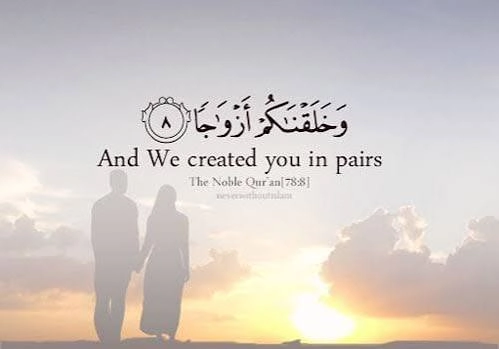
Across Muslim communities in London, Toronto, New York, and other cities, couples facing delays in pregnancy often combine reciting Surah Nuh ayat 10-12 with increased istighfar, regular dua, and reliance on Allah’s decree (qadr) alongside appropriate medical treatment.
Many scholars encourage this balanced approach: turning to Allah spiritually while also pursuing legitimate medical means, since Islam does not present spiritual practice and medical treatment as opposites. The Prophet Muhammad (peace be upon him) himself encouraged seeking treatment for illness in other authentic narrations.
For beginners new to this practice, a simple approach is to recite the verses after the five daily prayers, increase istighfar throughout the day, and make sincere dua asking Allah for righteous offspring, following the example of Prophet Zakariya’s dua mentioned elsewhere in the Quran.
A Note on Online Claims
Many websites and social media pages present Surah Nuh ayat 10-12 with exaggerated claims, such as guaranteed pregnancy within a fixed number of days if recited a certain number of times. These specific claims about timing or repetition counts are not found in the Quran or in any authentic hadith.
Readers in the UK, USA, and Canada are encouraged to treat such numerical formulas with caution, since attaching a guaranteed outcome to a specific recitation count goes beyond what the Quran or Sunnah actually establishes, and can create false expectations during an already emotional experience.
The safest approach remains reciting the Quran sincerely, trusting in Allah’s wisdom and timing, and avoiding any practice that resembles a magical formula rather than genuine worship.
Contact Us
Conclusion
Surah Nuh ayat 10-12 carries a genuine and beautiful promise: that istighfar can open doors of provision, including children, for those who turn to Allah sincerely. This is why the verses have become popularly known as the pregnancy surah among English-speaking Muslim communities.
At the same time, honest Islamic scholarship requires distinguishing between what the Quran clearly promises in principle and specific ritual claims that lack authentic hadith support. Reciting these verses with sincerity, alongside istighfar, dua, and appropriate medical care, reflects a balanced and authentic Islamic approach to hoping for children.
For beginners and general readers alike, this passage is a reminder that seeking Allah’s forgiveness is never limited to matters of the Hereafter alone; it touches every corner of a believer’s worldly life as well.
Read More :
Frequently Asked Questions
What is the pregnancy surah in Islam? It commonly refers to Surah Nuh ayat 10-12, where Prophet Nuh promises his people wealth and children as a result of seeking Allah’s forgiveness.
Is there an authentic hadith about reciting Surah Nuh for pregnancy? No specific authentic hadith prescribes this recitation as a dedicated ritual for pregnancy. The practice is based on the general meaning of the verse rather than a documented Sunnah act.
What does “baneen” mean in Surah Nuh ayat 12? “Baneen” means children or sons, which is why this verse is associated with the hope for offspring.
Can I recite Surah Nuh ayat 10-12 while trying to conceive? Yes, reciting any part of the Quran with sincerity is rewarded, and combining recitation with istighfar, dua, and medical treatment reflects a balanced Islamic approach.
How many times should I recite these verses for pregnancy? There is no authentic hadith specifying a fixed number of repetitions for this purpose, so readers should be cautious of claims promising guaranteed results within a set count or timeframe.
Disclaimer: This article is intended for general educational purposes and reflects an informational overview of Surah Nuh ayat 10-12 and the popular practice associated with it. It is not a substitute for guidance from a qualified Islamic scholar or medical advice from a licensed healthcare provider. Readers facing fertility concerns are encouraged to consult both a knowledgeable local scholar and a medical professional.