
Introduction to the Second Ashra of Ramadan
Ramadan is not only a month of fasting but a journey of the heart. As the days move forward, the focus of worship gently shifts. The first ten days awaken hope in Allah mercy, while the second ashra brings the believer face to face with accountability and return. This middle phase of Ramadan is widely known as the time of forgiveness. Ramadan second ashra forgiveness reminds us that spiritual growth does not happen without honest self reflection. These days invite the heart to pause, look inward, and ask Allah to cover our faults with His mercy. It is a moment to repair what has been neglected before moving closer to the final days of Ramadan.
What Forgiveness Truly Means in Islam
Forgiveness in Islam is deeper than many people realize. The Quran uses the word maghfirah which carries the meaning of covering and protecting. When Allah forgives, He does not only erase a sin but also shields the servant from its lasting effects. This is why Ramadan second ashra forgiveness holds such a special place. It is about healing the relationship between the servant and the Creator. True forgiveness softens the heart and removes the weight of guilt that keeps a person distant from Allah. It is not limited to words spoken on the tongue but is reflected in humility, regret, and a sincere desire to change.
Why the Second Ashra Is Dedicated to Forgiveness

The wisdom behind dividing Ramadan into three phases is deeply meaningful. The second ashra arrives when the initial excitement of fasting settles and habits begin to show. It is at this stage that a person becomes more aware of personal weaknesses. The second ashra encourages believers to confront these weaknesses with honesty. Ramadan second ashra forgiveness prepares the soul for the final stretch of the month. Without seeking forgiveness, the heart remains heavy, making it difficult to fully benefit from the last ten nights. This period teaches that mercy opens the door, but forgiveness cleans the path forward.
Read More : https://theorbitquran.com/
Forgiveness of Sins in Ramadan and Divine Acceptance
Forgiveness of sins in Ramadan carries a unique promise. The Prophet peace be upon him taught that whoever fasts Ramadan with faith and hope for reward will have past sins forgiven. This forgiveness is tied to sincerity, not perfection. During the second ashra, believers are reminded that Allah acceptance is near for those who turn back honestly. Ramadan creates an environment where repentance feels lighter and hope feels closer. The nights are quieter, the heart more present, and the door of forgiveness wider. These days invite believers to ask Allah to erase sins that quietly shape daily behavior and choices.
Conditions of True Repentance Often Overlooked
Many people repeat words of forgiveness without reflecting on their meaning. True repentance requires awareness and intention. Ramadan second ashra forgiveness teaches that forgiveness is not automatic without effort. A person must feel regret for the sin, leave it behind, and intend not to return to it. Seeking forgiveness while holding on to the same harmful habits weakens its impact. This ashra encourages believers to identify patterns that distance them from Allah. Even small changes made with sincerity can carry great weight. Allah looks at the heart before the action, and honesty opens the way to His mercy.
Ramadan Prayers for Forgiveness from the Heart
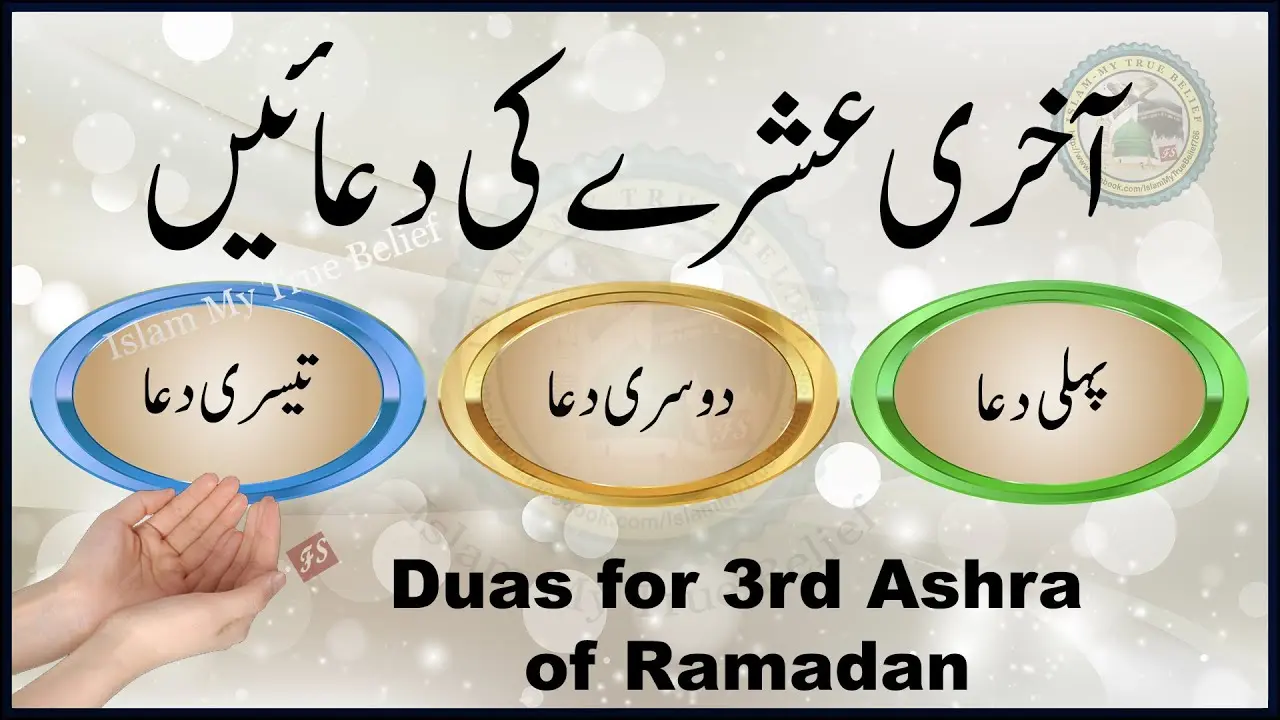
Ramadan prayers for forgiveness are simple yet powerful. The well known supplication of the second ashra asks Allah for forgiveness and return to Him. What gives these prayers strength is presence of heart. When a person pauses and understands what they are asking, the words begin to reshape the inner state. These prayers are not limited to the prayer mat. They can be whispered while walking, before sleeping, or during quiet moments of reflection. Ramadan second ashra forgiveness encourages consistency rather than perfection. Repeated sincere prayers soften the heart and increase awareness of Allah nearness.
Read More : https://theorbitquran.com/fasting-self-discipline/
Special Duas for the Second Ten Days of Ramadan

The Quran offers beautiful supplications that express humility and return. Special duas for second ten days of Ramadan are not meant to be recited mechanically. Each dua carries a lesson about accountability and hope. When believers ask Allah to forgive them and have mercy, they acknowledge their dependence on Him. Making dua for parents, family, and the wider community also plays a role in personal forgiveness. Islam teaches that a heart which wishes good for others is closer to mercy. These days remind believers that forgiveness grows when the heart becomes generous and sincere.
Daily Practices That Support Forgiveness
Forgiveness is supported by daily behavior. Ramadan second ashra forgiveness is strengthened when actions align with intention. Guarding the tongue, letting go of grudges, and choosing patience all support repentance. Forgiving others for small harms purifies the heart and reflects trust in Allah justice. When a person releases resentment, space is created for peace and clarity. These practices may seem quiet, but they shape the inner world. Over time, they help a believer feel lighter and more focused in worship. Forgiveness becomes not only something asked for but something lived.
Modern Challenges to Seeking Forgiveness Today
In recent years, distractions have multiplied. Digital habits often pull attention away from reflection. Ramadan second ashra forgiveness in today world requires intentional effort. Constant noise makes silence uncomfortable, yet silence is where repentance grows. Many sins today are hidden behind screens and routines. This ashra invites believers to step back, reduce distractions, and create moments of awareness. Even a few minutes of daily reflection can restore balance. Islam has always adapted to changing times without losing its core. Seeking forgiveness remains possible when intention is clear and effort is sincere.
Signs That Forgiveness Is Being Accepted
While no one can claim certainty, Islam teaches that forgiveness leaves traces on the heart. A forgiven heart often feels softer and more aware of Allah. There is a growing dislike for sin and a quiet desire to improve. Ramadan second ashra forgiveness may show itself through ease in doing good or increased patience with others. These signs are subtle and personal. They are not meant to be compared or displayed. They serve as encouragement for the believer to continue turning back to Allah with hope and humility.
Forgiving Others as a Path to Mercy
The Quran repeatedly links forgiveness of others with receiving forgiveness from Allah. Holding onto anger hardens the heart and blocks growth. During the second ashra, believers are encouraged to release old grudges. Forgiving does not always mean forgetting or excusing harm. It means trusting Allah with justice and choosing peace over resentment. Ramadan second ashra forgiveness reminds believers that mercy flows through those who show mercy. When the heart lets go, worship becomes lighter and more sincere.
Preparing the Heart for the Final Days of Ramadan
The second ashra acts as a bridge to the final phase of Ramadan. Seeking forgiveness clears the heart and prepares it to receive greater blessings. A heart burdened by unresolved guilt struggles to focus in worship. Ramadan second ashra forgiveness allows the believer to enter the last days with clarity and intention. It becomes easier to seek closeness to Allah when the past is addressed with honesty. These days are not about dwelling on mistakes but about learning from them and moving forward with hope.
Read More : https://theorbitquran.com/contact-us/
A Gentle Reflection for the Days Ahead
As the second ashra passes, it leaves behind an invitation rather than a demand. Ramadan second ashra forgiveness reminds believers that Allah door is always open. Forgiveness is not a reward for perfection but a gift for sincerity. These days encourage a quiet renewal of intention that can shape the coming year. When a believer learns to return to Allah with honesty, life begins to feel more balanced. Carrying this awareness beyond Ramadan brings steadiness in faith and character. May these moments of forgiveness plant seeds of peace, growth, and closeness to Allah in the days ahead.
Frequently Asked Questions About Ramadan Second Ashra Forgiveness
What is the second ashra of Ramadan about
The second ashra of Ramadan focuses on forgiveness. It spans from the eleventh to the twentieth day of the month. During this time, believers are encouraged to seek Allah forgiveness for past sins and return to Him with sincerity. It is a period of self reflection and spiritual cleansing before entering the final days of Ramadan.
Which dua is recommended for the second ashra of Ramadan
A commonly recited dua during the second ashra asks Allah for forgiveness and repentance. While the wording is short, its meaning is deep. The strength of this dua comes from understanding it and reciting it with presence of heart rather than repetition without reflection.
Are sins forgiven automatically during Ramadan
Sins are forgiven in Ramadan when fasting and worship are done with faith and sincerity. Forgiveness is linked to honest repentance, regret over sins, and intention to improve. Ramadan creates a supportive environment for forgiveness, but effort and awareness are still required from the believer.
Can forgiving others help with Allah forgiveness
Yes, forgiving others plays an important role in receiving Allah mercy. The Quran encourages believers to pardon and let go. When a person forgives others sincerely, it softens the heart and opens the door to divine forgiveness, especially during the second ashra of Ramadan.
What should I focus on during the second ashra of Ramadan
During the second ashra, focus on repentance, forgiveness, and correcting habits that distance you from Allah. This includes sincere dua, reducing harmful behavior, and reflecting on personal growth. These efforts prepare the heart for the final days of Ramadan and deeper spiritual connection.