Every new year feels like a blank page waiting to be written. For many, it’s a time for reflection, self-alignment, and returning to what truly matters. How to start a new year in Islam? The answer is not found in celebration but in connection — connection with Allah, with yourself, and with others. As one year ends and another begins, Islam invites us to pause, look inward, and begin again with sincerity.
How to Start a New Year in Islam
Islam teaches that every moment in life is an opportunity to renew one’s intention. So, how to start a new year in Islam depends on spiritual awareness rather than ritual formality. Muslims view time as a trust — a blessing from Allah meant for doing good, reflecting, and growing. When the new Islamic year begins, believers thank Allah for allowing them to complete another year and pray for His guidance and mercy in the coming one. This mindset brings peace, knowing that each new beginning is another chance to grow closer to the Creator.
What Is the Islamic New Year?
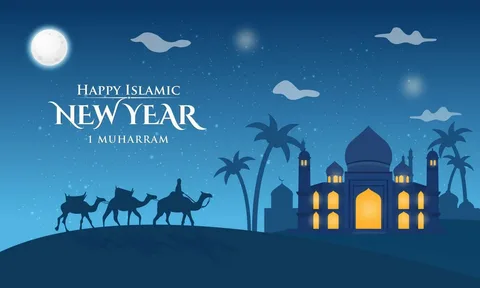
The Islamic New Year, or Hijri Year, marks the start of the lunar calendar followed by Muslims worldwide. It begins with the month of Muharram, one of the four sacred months in Islam. Unlike the Gregorian year, which begins on January 1st, the Islamic calendar follows the moon’s cycle — meaning its dates shift each solar year. Muslims take this time to remember the Hijrah (migration) of the Prophet Muhammad (peace be upon him), which symbolizes faith, patience, and renewal.
Do Muslims Celebrate New Year on January 1st?
Many Muslims live in countries where the Gregorian New Year is celebrated, but they do not consider it a religious occasion. Islam does not forbid acknowledging January 1st, but it encourages believers to focus on gratitude, reflection, and remembrance of Allah not worldly celebration. For those who ask what Muslims say on New Year’s, many simply offer warm prayers like “May Allah bless our time ahead” or “May Allah grant us a year of goodness and peace.”
Read More : https://theorbitquran.com/amaal-of-shabaan-preparation-for-ramadan/
How to Start a New Year in the Islamic Way
If you are wondering how to start a new year in the Islamic way, begin with intention. The Prophet Muhammad (peace be upon him) said, “Actions are judged by intentions.” Entering a new year with a sincere heart means seeking forgiveness for the past, making heartfelt dua, and setting goals that draw you nearer to Allah. Muslims use this time to improve worship, increase charity, and mend relationships. Islam teaches that progress is gradual, and the true beauty lies in sincerity and consistency.
Dua for Starting the New Year
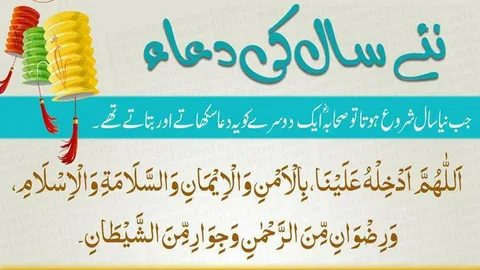
Islam does not prescribe a specific dua for the new year, but believers can make any heartfelt supplication. Here are some beautiful authentic duas often read when starting a new year:
1.
اللّٰهُمَّ أَدْخِلْهُ عَلَيْنَا بِالْأَمْنِ وَالْإِيمَانِ وَالسَّلَامَةِ وَالْإِسْلَامِ وَرِضْوَانٍ مِّنَ الرَّحْمٰنِ وَجَوَازٍ مِّنَ الشَّيْطَانِ
Translation: O Allah, bring this year upon us with safety, faith, peace, and Islam — with Your mercy and protection from Satan.
2.
اللّٰهُمَّ اجْعَلْ هَذَا العَامَ عَامَ خَيْرٍ وَبَرَكَةٍ وَسَعَادَةٍ وَنَجَاحٍ وَنُورٍ
Translation: O Allah, make this year a year of goodness, blessings, happiness, success, and light.
What Do Muslims Do on New Year’s Eve?
On the eve of either the Islamic or Gregorian new year, many Muslims choose quiet reflection over festivity. They read the Quran, offer voluntary prayers, or spend time with their families. Some visit the mosque to seek forgiveness and guidance. What should Muslims do on New Year’s Eve? They should purify their hearts, release old burdens, and welcome the coming year with hope and prayer.
Read More : https://theorbitquran.com/
Why Is the Islamic New Year Different?
The Islamic New Year carries deep historical and spiritual significance. It commemorates the Prophet Muhammad’s (peace be upon him) migration — not just a physical journey, but one of faith and sacrifice. Do Muslims celebrate the Islamic New Year? Most Muslims mark it with dua, reflection, and remembrance rather than outward celebration. The essence of this time is spiritual renewal and gratitude.
What Does the Quran Say About New Beginnings?
The Quran teaches:
إِنَّ اللَّهَ لَا يُغَيِّرُ مَا بِقَوْمٍ حَتَّىٰ يُغَيِّرُوا مَا بِأَنْفُسِهِمْ (الرعد 13:11)
Translation: “Indeed, Allah will not change the condition of a people until they change what is in themselves.”
This verse reminds us that a new year is not merely a change in the calendar — it’s an invitation to personal growth and self-improvement. Every day can be a new beginning when the heart turns sincerely to Allah.
Dua for a New Beginning
3.
اللّٰهُمَّ اجْعَلْ هَذِهِ الْبِدَايَةَ بَدَايَةَ خَيْرٍ وَرَحْمَةٍ وَهُدًى لِي وَلِأَهْلِي
Translation: O Allah, make this beginning one of goodness, mercy, and guidance for me and my family.
Many Muslims also recite Surah Al-Fatiha (الفاتحة) and Ayat Al-Kursi (آية الكرسي) for blessings, peace, and divine protection.
Read More : https://theorbitquran.com/contact-us/
What Can Muslims Say Instead of “Happy New Year”?
Instead of the usual greeting, Muslims often say:
“May Allah bless your year ahead,” or “May this year bring you peace and faith.”
These phrases are warm, sincere, and spiritually uplifting. The goal is not to reject happiness but to celebrate it with gratitude and remembrance of Allah.
A Gentle Reflection for the Year Ahead
As we step into a new year, we’re reminded that every sunrise is a new chance to begin again. How to start a new year in Islam is less about marking a date and more about awakening the heart. Whether it’s the first day of Muharram or the start of January, the essence lies in learning from the past, practicing patience and gratitude, and strengthening our bond with Allah. May this year be filled with peace, prayer, and purpose — where every small act brings us closer to His light.
FAQs
What is the current Islamic year?
According to the lunar calendar, the current Islamic year is approximately 1448 AH.
Do Muslims celebrate the Islamic New Year?
It’s a time for reflection, dua, and gratitude — not festivity or partying.
What is on January 27, 2025, for Muslims?
It corresponds roughly to the middle of Rajab 1446 AH, one of Islam’s sacred months.
What does February 14 mean for Muslims?
Islam does not assign any religious meaning to this date. Muslims express love through kindness, mercy, and sincerity — not through specific celebrations.
How can I start the new year peacefully in Islam?
Begin with dua, repentance, and gratitude. Set your intention to please Allah and live with mindfulness and sincerity.
Short Duas for the Islamic New Year
4.
اللّٰهُمَّ أَدْخِلْ عَلَيْنَا هَذَا العَامَ بِالسَّلَامَةِ وَالْإِيمَانِ وَالْبَرَكَةِ
Translation: O Allah, bring this year to us with peace, faith, and blessings.
5.
اللّٰهُمَّ اجْعَلْ سَنَتَنَا هَذِهِ سَنَةَ خَيْرٍ وَهُدًى وَنَجَاحٍ وَرِضَاكَ
Translation: O Allah, make this year one of goodness, guidance, success, and Your pleasure.