Introduction to Taraweeh and the Spirit of Ramadan
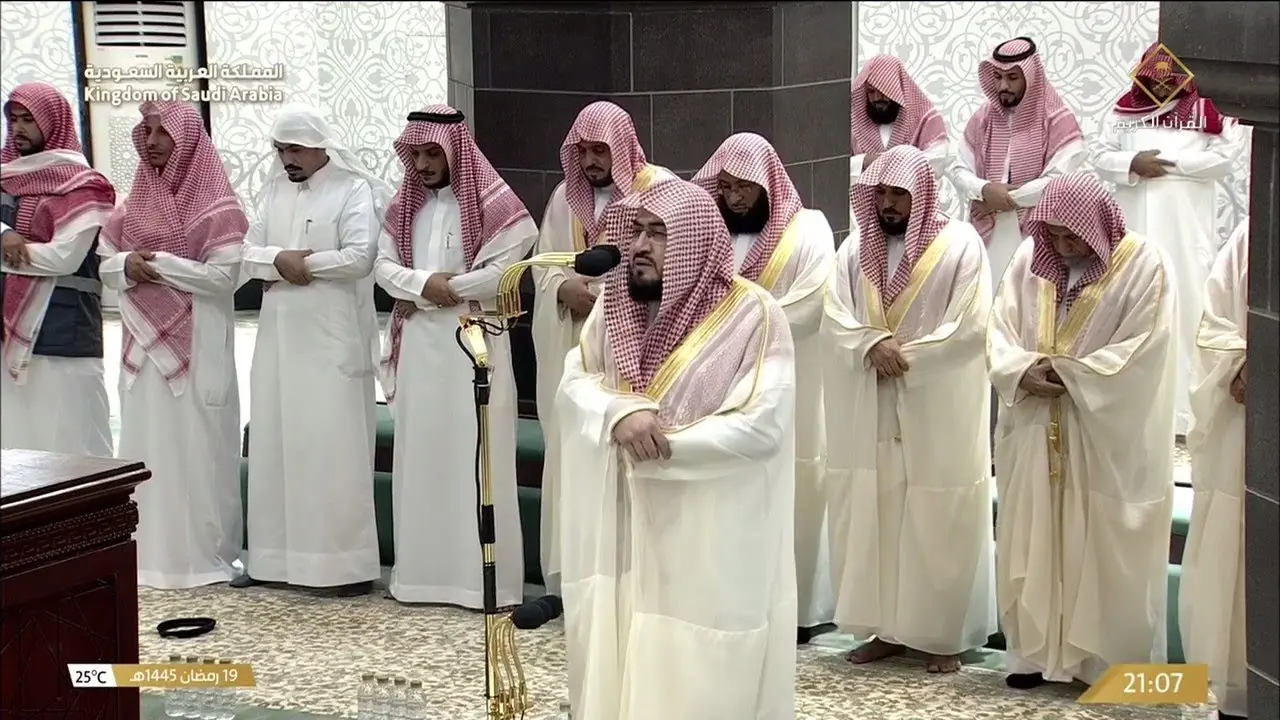
Taraweeh is a special night prayer that appears only once a year yet leaves a deep mark on the heart. It is prayed during Ramadan after the Isha prayer and carries a quiet invitation to slow down and return to Allah. Many people focus on how long the prayer is or how many rakats are prayed. What often gets missed is why this prayer exists in the first place. Taraweeh is not about performance. It is about presence. It is a chance to stand before Allah after a full day of fasting and say through action that He still comes first.
Taraweeh as a Mercy Not an Obligation
One of the greatest signs of Allah mercy is that Taraweeh is not compulsory. It was encouraged by the Prophet peace be upon him but never enforced. This removes pressure and replaces it with love. When something is voluntary yet consistently practiced it becomes more sincere. Taraweeh teaches us to worship Allah by choice. In a time where many people feel overwhelmed this lesson matters more than ever. Allah invites His servants at night but does not force them. Even showing up tired is still an act of love.
The Meaning of Rest Within Taraweeh Prayer
The word Taraweeh comes from rest. This is not only physical rest but inner relief. Standing in prayer after a long day may feel tiring yet the heart often feels lighter afterward. This is because the soul finds comfort in turning back to its Creator. The short pauses between rakats were always part of this prayer. They remind us that Islam does not demand exhaustion. It encourages balance. In a modern world filled with noise Taraweeh offers a calm space to breathe and reset.
Read More : https://theorbitquran.com/importance-of-shaban-month-in-islam-ramadan-preparation/
Forgiveness and the Promise of Night Prayer
The Prophet peace be upon him taught that whoever stands in prayer during Ramadan with faith and hope will have past sins forgiven. This promise alone changes how we view Taraweeh. It is not just an extra prayer. It is a door to mercy. Forgiveness is attached to sincerity not perfection. Allah knows who is struggling and who is trying. Each night of Taraweeh becomes a new opportunity to return even if the day was heavy with mistakes.
Consistency Over Intensity in Taraweeh Salah
Many people start Ramadan with strong energy and then feel discouraged when they cannot keep up. Taraweeh teaches a different lesson. Allah loves steady effort even if it is small. Praying a few rakats every night with focus is better than pushing hard once and then stopping. In recent years many Muslims balance work family and mental stress. Taraweeh meets people where they are. It trains the soul to keep coming back rather than giving up.
Why Taraweeh Prayer Time Comes After Isha
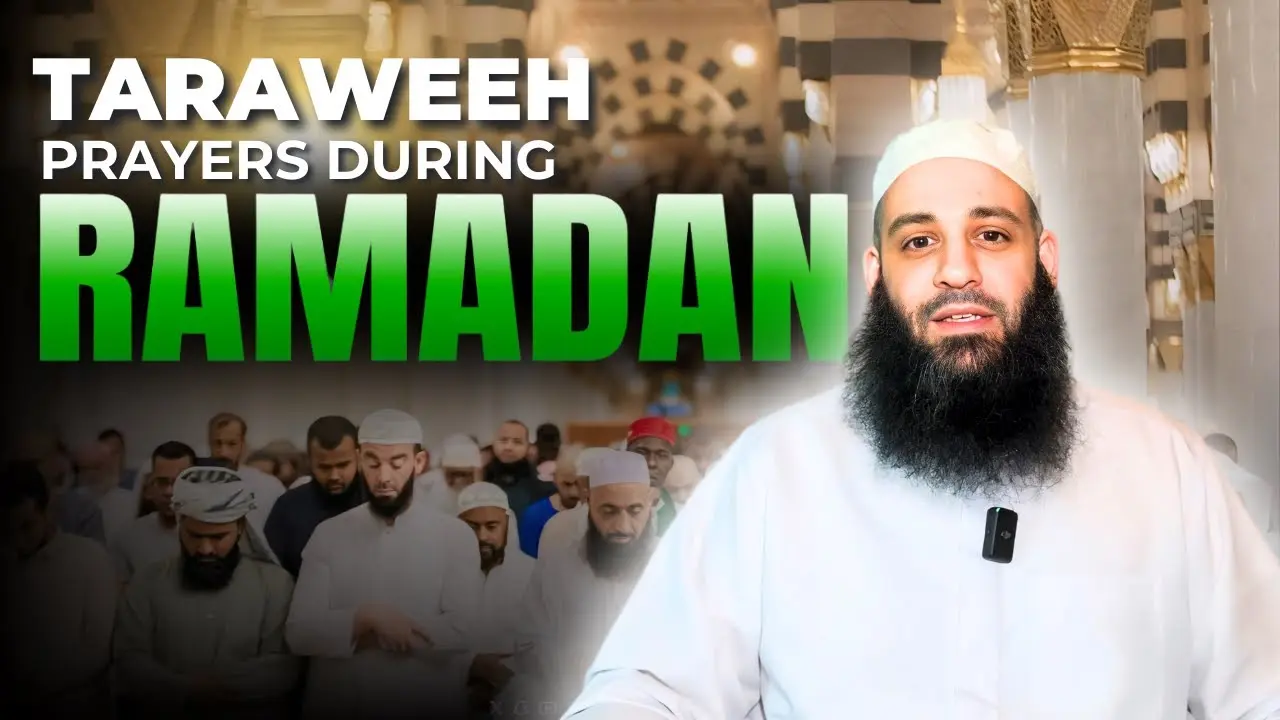
Taraweeh prayer time comes after Isha for a reason. It follows a full day of fasting and worship. At that moment the body seeks rest but the heart is invited to stand. This teaches discipline and intention. It reminds us that worship is not always easy but it is always meaningful. Choosing Taraweeh after a long day builds patience and sincerity. Even a short prayer at this time carries weight because it was offered when comfort was close by.
Khushu and Presence in Taraweeh Namaz
Khushu means presence of the heart. Many people worry when their focus drifts during Taraweeh. This struggle is part of being human. What matters is gently bringing the heart back. Listening carefully to the Quran even without understanding every word still brings reward. The sound of the verses softens the heart over time. Taraweeh is not about emptying the mind. It is about returning to Allah again and again within the prayer.
Understanding Taraweeh Prayer Rakats Without Debate
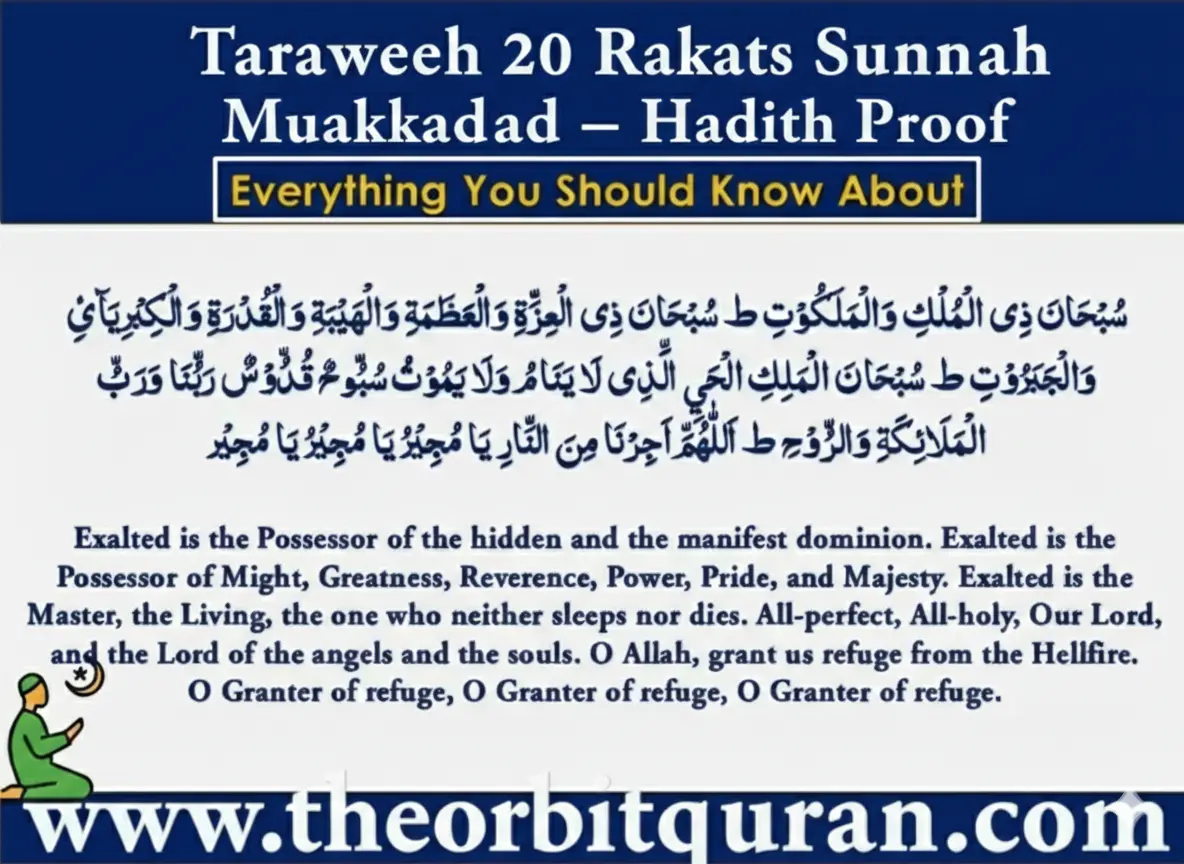
There has always been flexibility in the number of rakats prayed in Taraweeh. The early Muslim community practiced different lengths based on their situation. This flexibility was a mercy not a problem. Arguments over numbers often distract from the purpose of the prayer. Taraweeh was meant to bring hearts closer to Allah not further apart. Focusing on quality remembrance and humility brings far more benefit than counting rakats.
Read More : https://theorbitquran.com/
Simple Rules That Shape Taraweeh Prayer
The rules of Taraweeh prayer are simple. It is prayed after Isha. It is voluntary. It can be prayed at home or in the mosque. What matters most is intention and respect for the prayer. Islam does not demand complexity. Many people miss out on Taraweeh because they feel unsure. Knowing that Allah accepts sincere effort removes fear and encourages participation.
Mosque and Home Both Hold Reward
Praying Taraweeh in the mosque builds community and unity. Praying at home offers calm and focus. Both are valid and rewarded. Women parents caregivers and those with limited mobility should never feel left out. Allah sees the effort behind every choice. The best place to pray is often the place where the heart feels most present. Taraweeh adapts to the believer rather than demanding one form.
Dua and Quiet Conversation With Allah
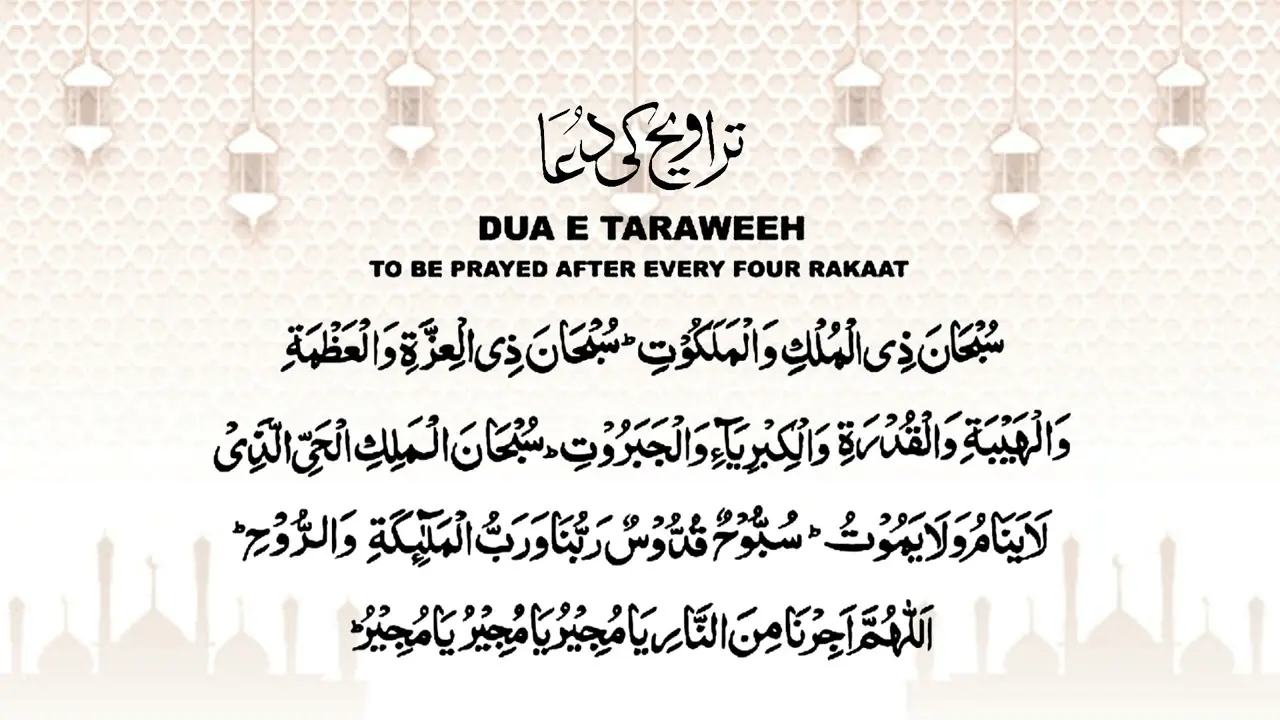
Taraweeh opens the heart for dua. After prayer or even between rakats many people feel closer to Allah. This is a good time to speak honestly. Dua does not need special words. It needs sincerity. Asking Allah for guidance forgiveness and strength during Taraweeh builds a personal bond. Over time this habit turns night prayer into a private conversation rather than a routine.
Listening to the Quran During Taraweeh
Many Muslims experience the Quran mainly through Taraweeh. Even without understanding Arabic the heart benefits. The rhythm and message of the Quran settle deep within. Listening attentively is an act of worship. Reflecting on one verse or phrase is enough. Taraweeh trains the heart to listen before it understands and to trust before it knows.
Taraweeh Prayer Method for Beginners
For those new to Islam or returning after a long break Taraweeh can feel unfamiliar. The method is simple. Pray two rakats at a time with calm pace. Follow the imam if in congregation. Do what you can without pressure. Allah welcomes every step taken toward Him. Taraweeh is often the first prayer that brings people back after years away and that itself is a mercy.
Taraweeh as Preparation for Tahajjud
Taraweeh gently prepares the soul for deeper night prayer. It builds stamina and love for standing before Allah at night. Even after Ramadan the habit of night prayer becomes easier. Taraweeh plants a seed that may grow later. Many people who pray Tahajjud regularly trace it back to their experience with Taraweeh.
Section One
How Taraweeh Gradually Shapes the Believer Over Ramadan
This table helps readers self observe spiritual growth across Ramadan instead of treating Taraweeh as a fixed routine. It adds depth and reflection value.
| Aspect of Growth | Early Ramadan Experience | Mid Ramadan Shift | Late Ramadan Impact | Long Term Effect | Inner Realization |
|---|---|---|---|---|---|
| Focus in Prayer | Mind often distracted and restless | Improved attention during recitation | Deep presence and calmness | Stronger khushu in daily salah | Worship requires patience |
| Relationship with Quran | Listening feels heavy at first | Meanings feel more engaging | Verses feel personal | Love for Quran beyond Ramadan | Quran speaks to the heart |
| Physical Endurance | Body feels tired quickly | Body adapts to standing | Standing feels lighter | Increased stamina in worship | Body follows intention |
| Emotional State | Mood swings and impatience | Emotional balance improves | Peace and softness in heart | Better emotional control | Prayer heals quietly |
| Consistency in Ibadah | Effort driven by environment | Habit starts forming | Worship becomes need based | Stable worship routine | Consistency outweighs intensity |
| Self Awareness | Focus on completing rakah | Awareness of inner state | Reflection on sins and habits | Conscious life choices | Taraweeh is self training |
Section Two
Common Life Situations Where Taraweeh Offers Hidden Guidance
This table connects Taraweeh with real life struggles, helping readers see its relevance beyond the mosque.
| Life Situation | Inner Struggle | Taraweeh Lesson | Spiritual Shift | Daily Life Application | Silent Outcome |
|---|---|---|---|---|---|
| Busy Work Life | Feeling spiritually disconnected | Showing up despite exhaustion | Worship despite pressure | Making time for salah | Faith stays prioritized |
| Family Responsibilities | Lack of personal time | Standing for Allah together | Shared spiritual environment | Stronger family bonds | Home gains barakah |
| Weak Motivation | Worship feels forced | Returning night after night | Discipline over desire | Building routine slowly | Faith becomes steady |
| Emotional Stress | Anxiety and overthinking | Listening quietly to Quran | Emotional grounding | Calm decision making | Inner stability |
| Guilt Over Sins | Feeling unworthy | Standing despite shame | Hope in mercy | Turning back to Allah | Heart feels lighter |
| Fear of Inconsistency | Ramadan only worship | Gradual habit formation | Realistic spiritual goals | Sustainable ibadah | Growth feels natural |
Read More : https://theorbitquran.com/contact-us/
People Also Ask (Common Questions)
What is Taraweeh prayer
Taraweeh is a special night prayer offered during the month of Ramadan after the Isha prayer. It is performed in congregation in mosques or individually at home. During Taraweeh, portions of the Quran are recited, allowing believers to listen, reflect, and reconnect with Allah in a peaceful setting. This prayer revives the nights of Ramadan and creates a strong spiritual rhythm that supports fasting during the day. Taraweeh is not just about recitation but about standing humbly before Allah with patience and sincerity.
How many rakats in Taraweeh
The number of rakats in Taraweeh has been practiced differently across the Muslim world. Many mosques pray twenty rakats, while others pray eight rakats followed by Witr.
Is Taraweeh Sunnah or Farz
Taraweeh is a Sunnah prayer, not Farz. It was established by the Prophet Muhammad peace be upon him and later organized in congregation during the time of Umar ibn Al Khattab may Allah be pleased with him. While it is not obligatory, it holds great spiritual reward. Leaving Taraweeh does not result in sin, but performing it regularly brings immense benefit, strengthens faith, and deepens the experience of Ramadan.
Can Taraweeh be prayed at home
Yes, Taraweeh can be prayed at home, either alone or with family members. Praying in the mosque has added reward due to congregation, but home prayer is completely valid. This option is especially helpful for those who are unwell, traveling, caring for children, or unable to attend the mosque. The intention and effort remain valuable in the sight of Allah, regardless of location.
When does Taraweeh start
Taraweeh begins on the night when Ramadan starts, which is the night before the first fast. It is prayed after Isha prayer and continues every night throughout Ramadan until the night before Eid. Even if someone misses the early nights, they can start at any point during the month. Ramadan welcomes every return to worship, no matter when it begins.
Is Taraweeh compulsory
Taraweeh is not compulsory in Islam. It is a voluntary Sunnah prayer that carries great reward but no obligation. Islam encourages ease and balance, especially in worship. Those who pray Taraweeh regularly should do so with gratitude, and those who cannot should not feel guilt. Allah values sincerity, effort, and intention more than outward form.