Understanding the Spirit of the First Ashra of Ramadan
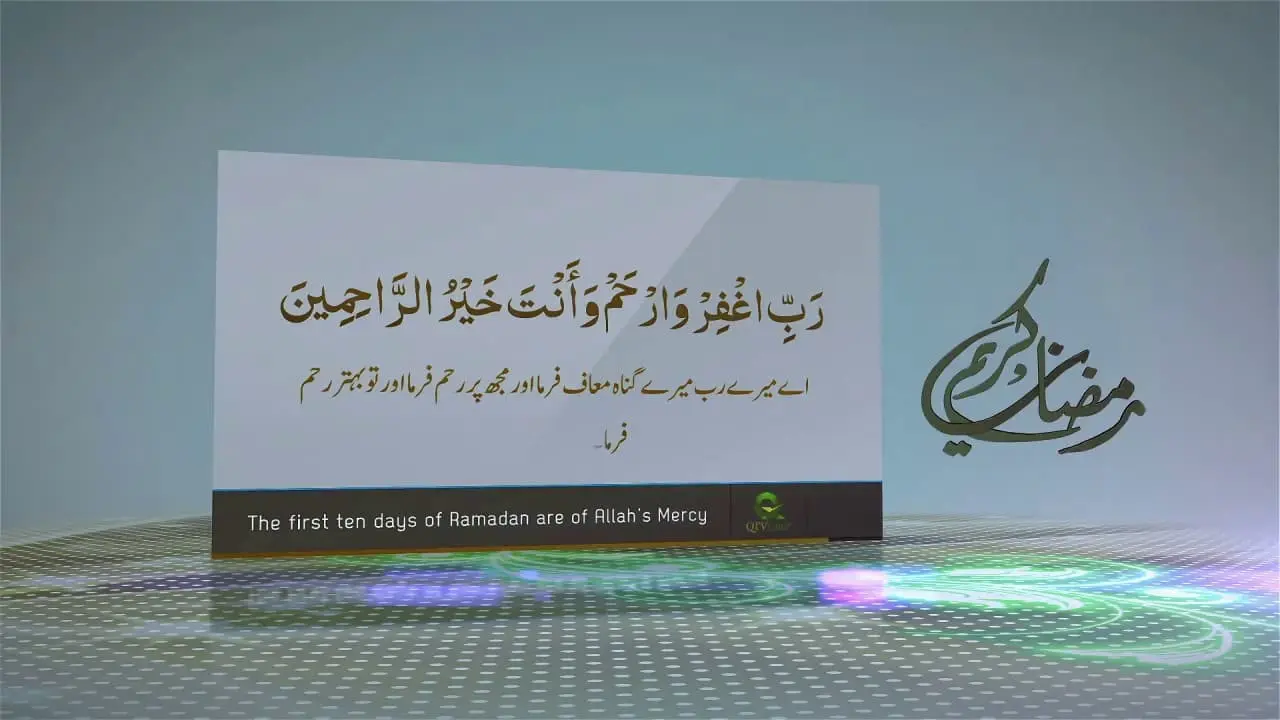
Ramadan arrives each year as a gentle invitation to return to Allah with sincerity and hope. The first Ashra of Ramadan is mercy, and this truth shapes how a believer begins this sacred month. These opening days are not meant to overwhelm the heart with pressure or perfection. They are meant to soften it. Allah welcomes His servants with kindness before asking them to change. This mercy allows people from all backgrounds and spiritual levels to enter Ramadan without fear. It sets a calm tone that encourages reflection, patience, and trust in Allah’s care.
What Mercy Truly Means in Islam
Mercy in Islam is more than forgiveness. It is care, nearness, and protection. When Allah describes Himself as Most Merciful, He reminds believers that His relationship with them is rooted in compassion. The first Ashra of Ramadan reflects this divine quality. Mercy means Allah looks at effort, intention, and struggle, not just results. It means that even small steps are valued. For many people, this understanding removes the weight of guilt and replaces it with hope. It teaches that Allah wants hearts to return gently, not through fear.
Why Ramadan Begins with Mercy

There is deep wisdom in starting Ramadan with mercy. Before asking people to seek forgiveness or fear punishment, Allah opens the door with kindness. A heart that feels safe is more willing to change. The first ten days of Ramadan create emotional and spiritual security. This helps believers face their weaknesses honestly. When mercy comes first, worship feels welcoming instead of heavy. It becomes a conversation with Allah rather than a test. This order shows that spiritual growth begins with reassurance, not pressure.
The First Ashra Is Mercy Not Pressure
Many people enter Ramadan feeling behind or unprepared. The first Ashra of Ramadan is mercy precisely for such hearts. It reminds believers that Ramadan is not a competition. It is a personal journey. These days teach that consistency matters more than intensity. Allah does not expect sudden transformation. He values steady effort and sincere intention. This message is especially important in modern life where people feel constant pressure. Mercy invites balance and calm worship that can be sustained throughout the month.
Mercy and the Quran in the First Ten Days
The Quran was revealed as a mercy for humanity, and Ramadan is the month of the Quran. During the first Ashra, reading or listening to the Quran with reflection becomes an act of healing. The verses speak to human weakness, hope, and purpose. They remind believers that Allah knows their struggles. Even short moments with the Quran during these days can soften the heart. The goal is not speed or quantity but connection. Mercy flows when the Quran is approached with humility and openness.
Being Merciful to Yourself During the First Ashra
An often forgotten part of mercy is how a person treats their own soul. The first Ashra of Ramadan encourages believers to stop harsh self judgment. Many people carry years of regret and spiritual exhaustion. Mercy allows them to breathe. It teaches that failure in the past does not block Allah’s love. Treating oneself with patience leads to healthier worship. It builds confidence rather than fear. When a believer accepts Allah’s mercy for themselves, they become more sincere and consistent in their actions.
Mercy in Daily Behavior and Relationships
The first Ashra is mercy not only in worship but also in daily life. It shows in how people speak, listen, and react. A merciful heart becomes slower to anger and quicker to forgive. This is especially meaningful within families where stress often increases during fasting. Simple acts of patience and kindness reflect the spirit of these days. Mercy turns Ramadan into a lived experience, not just a personal ritual. It reminds believers that character is part of worship.
How Mercy Prepares the Heart for Forgiveness
Mercy softens the heart before forgiveness is sought. This is why the first Ashra comes before the days of forgiveness. A hardened heart struggles to repent sincerely. Mercy removes pride and fear. It allows believers to admit mistakes without despair. When a person feels Allah’s compassion, they naturally turn back to Him. This gradual process builds honesty and humility. It shows that repentance is not about self punishment but about returning to a caring Lord.
Read More : https://theorbitquran.com/what-happened-on-3-ramadan/
The First Ashra in Modern Life Context

In today’s fast paced world, many Muslims feel disconnected and overwhelmed. The first Ashra of Ramadan is mercy for people dealing with stress, burnout, and constant distraction. It teaches slow worship and mindful intention. Instead of doing everything at once, believers are encouraged to begin gently. This approach aligns with long term spiritual health. Mercy based worship reduces anxiety and builds a stronger bond with Allah. It allows Ramadan to feel supportive rather than exhausting.
Recognizing the Signs of Benefiting from Mercy
When the first Ashra is lived with awareness, certain changes appear. A person may feel calmer in worship and more hopeful in prayer. Reactions become softer. There is less frustration and more patience. These signs show that mercy is working quietly in the heart. The goal is not perfection but progress. Even small shifts matter. Allah values these inner changes deeply, even if they are unseen by others.
Carrying the Message of Mercy Forward
The first Ashra of Ramadan is mercy that sets the tone for the rest of the month. It teaches believers how Allah wants to be approached. With trust. With honesty. With hope. As these days pass, the heart becomes more open to forgiveness and spiritual growth. Mercy is not meant to end after ten days. It is meant to shape the entire Ramadan and continue beyond it. When believers carry this softness forward, their worship becomes deeper and more meaningful.
A Gentle Reflection to Close
As a new year unfolds through Ramadan, the first Ashra of Ramadan is mercy that invites every heart to begin again. It reminds believers that Allah’s door is open, no matter how distant they may feel. These days are a chance to slow down, breathe, and reconnect with faith in a gentle way. Mercy teaches that growth happens step by step. By welcoming this mercy, a person prepares not only for the rest of Ramadan but for a more balanced and hopeful relationship with Allah throughout the year ahead.
Read More : https://theorbitquran.com/contact-us/
Frequently Asked Questions About the First Ashra of Ramadan
Why is the first Ashra of Ramadan called mercy
The first Ashra of Ramadan is called mercy because it reflects how Allah welcomes His servants with kindness at the beginning of the month. These first ten days remind believers that Allah’s relationship with them starts with compassion, not punishment. Mercy helps soften the heart and removes fear, making it easier to return to worship with sincerity and hope.
What should Muslims focus on during the first ten days of Ramadan
During the first ten days of Ramadan, Muslims should focus on building a gentle connection with Allah. This includes simple worship, calm reflection, patience with others, and improving intentions. The goal is not to do everything at once but to begin steadily. These days help prepare the heart for deeper repentance and growth later in the month.
Is there a specific dua for the first Ashra of Ramadan
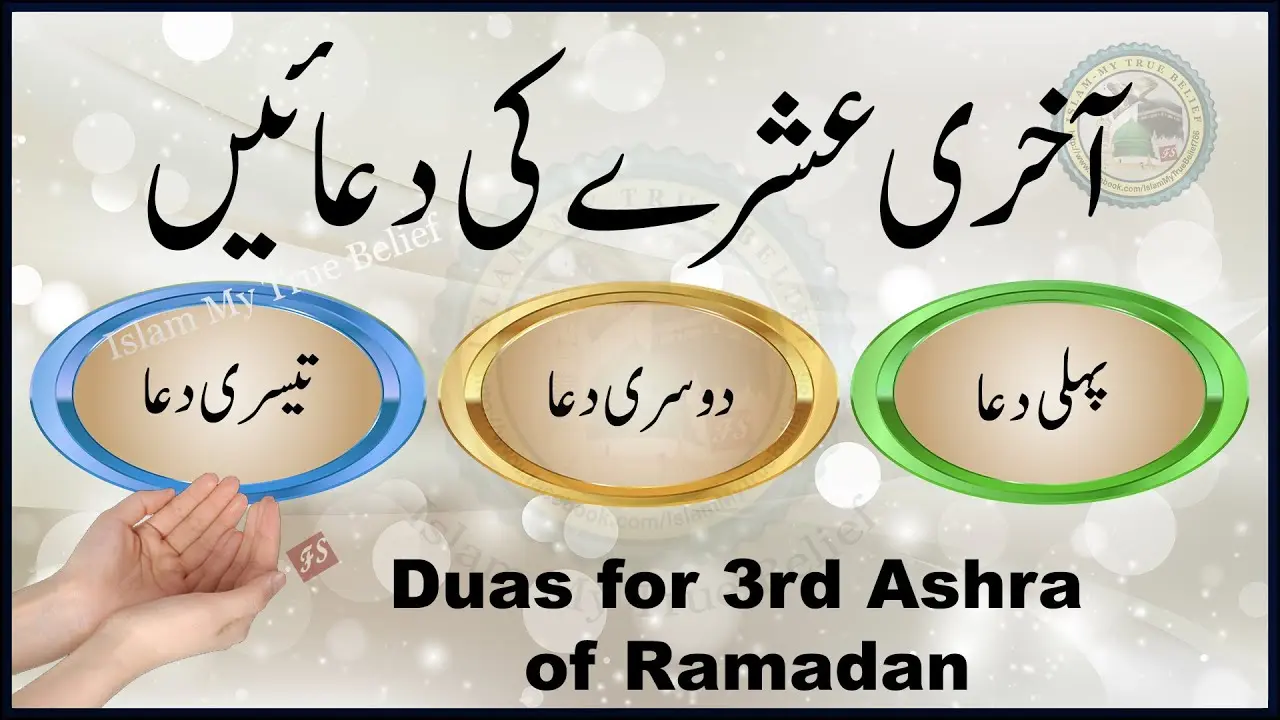
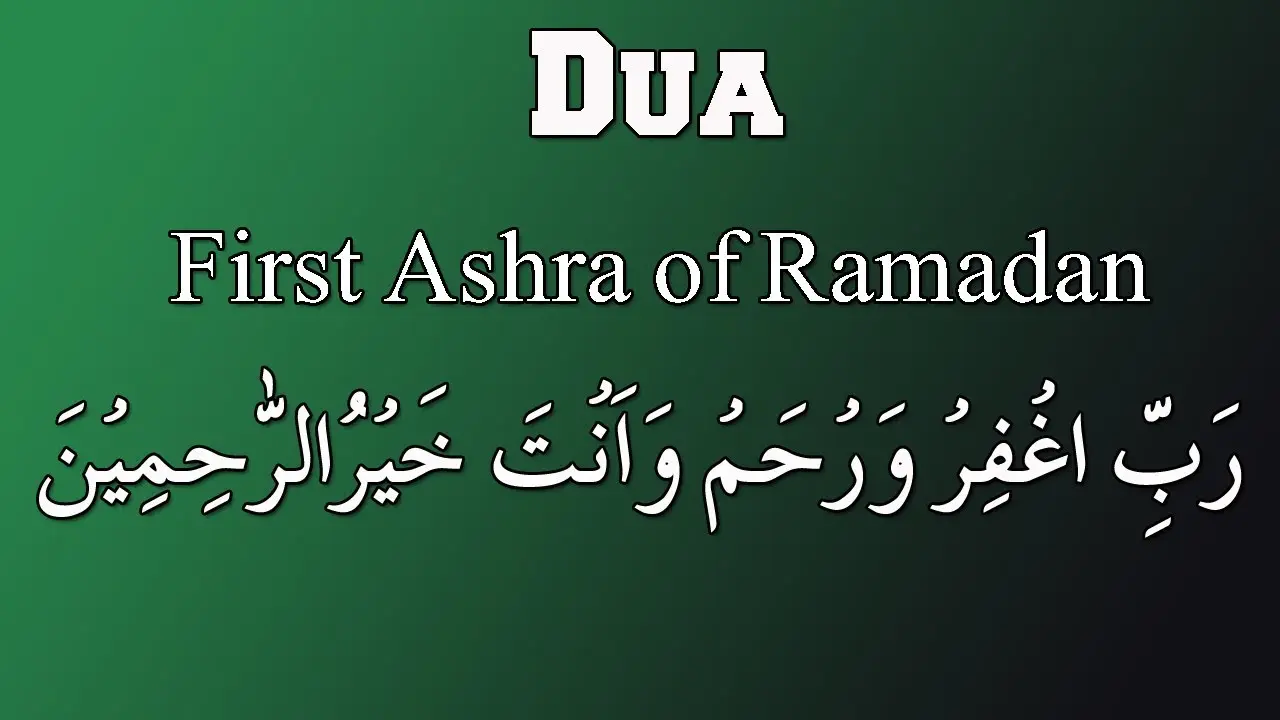
Many Muslims recite well known duas asking Allah for mercy during the first Ashra of Ramadan. Along with these, it is encouraged to speak to Allah in one’s own words. Asking for ease, guidance, and softness of the heart aligns well with the spirit of mercy that defines these days.
How is the first Ashra different from the second and third Ashra
The first Ashra is focused on mercy, while the second Ashra emphasizes forgiveness and the third Ashra centers on protection from the Fire. Mercy comes first to prepare the heart. Once the heart is softened through mercy, sincere forgiveness becomes easier, followed by a deeper awareness of accountability and salvation.
Can someone still benefit from the first Ashra if they start late
Yes, a person can benefit from the first Ashra of Ramadan even if they feel late or unprepared. Allah’s mercy is not limited by time or perfection. Any sincere effort made during these days is valued. What matters most is turning back to Allah with honesty and hope, even if the start feels small.