Understanding the Meaning of Ramdan Karim
Ramdan Karim is a phrase often used to greet Muslims at the start of the holy month of Ramadan. It literally translates to “Generous Ramadan,” reflecting the blessings and mercy that Allah bestows upon His servants during this sacred period. While some people use the greeting interchangeably with “Ramadan Mubarak,” Islamic scholars emphasize that the true focus should be on the spiritual preparation and reflection that this month encourages. Ramadan is not only about fasting from food and drink but also about nurturing the soul, increasing acts of kindness, and seeking closeness to Allah through prayer, charity, and sincere repentance. Understanding this deeper meaning sets the tone for how we approach the greetings and interactions during the month.
The concept of generosity in Ramdan Karim can be viewed not only as a personal spiritual journey but also as a reminder to extend compassion and support to those around us. By sharing guidance, encouragement, and kindness, Muslims embody the essence of the month. It is an opportunity to renew our intentions, strengthen our connection with Allah, and reflect on the blessings we often take for granted in daily life. Recognizing the meaning behind the greeting encourages mindful practice rather than a mere cultural habit.
The Quranic Perspective on Ramadan
The Quran provides the foundational understanding of Ramadan and its spiritual significance. In Surah Al-Baqarah, verse 185, Allah says that Ramadan is the month in which the Quran was revealed as guidance for mankind. Fasting during this month is ordained for believers to develop God-consciousness, self-discipline, and empathy for those who are less fortunate. The guidance emphasizes that beyond abstaining from food and drink, believers are to cultivate patience, humility, and sincerity in their actions.
The month of Ramadan is described as a time of immense blessing and mercy. The Quran encourages reflection, consistent prayer, and charity, highlighting that the spiritual growth achieved during this period extends far beyond the month itself. When we greet each other with Ramdan Karim or Ramadan Mubarak, it is a reminder of these divine instructions, serving as a prompt to implement the teachings in our daily lives and to inspire others to do the same.
Sunnah and Etiquette of Ramadan Greetings
The way we greet one another during Ramadan holds significance in Islamic etiquette. The Prophet Muhammad, peace be upon him, encouraged believers to share kind words and prayers with one another. Saying “Ramadan Mubarak” or “Ramdan Karim” should carry an intention of goodwill and prayer for the recipient’s spiritual success. Scholars suggest that while “Ramadan Mubarak” is closer to the traditional Sunnah, the use of “Ramdan Karim” is widely accepted culturally but should be accompanied by sincere spiritual intent.
The greeting can also serve as a reminder for both the sender and the receiver to focus on the key aspects of the month: self-restraint, generosity, and devotion. When a Muslim receives a greeting, the response should be equally thoughtful, often returning prayers for mercy, forgiveness, and guidance. This practice transforms simple words into acts of spiritual reflection and encouragement, nurturing the collective consciousness of the Muslim community during this sacred period.
Read More : https://theorbitquran.com/fasting-self-discipline/
How to Wish Ramadan Respectfully
Many people wonder how to wish someone well during Ramadan. Questions often arise such as how to wish Ramadan Mubarak, whether it is appropriate for non-Muslims to use the greeting, and what response is fitting. A respectful approach involves sincerity and awareness of the spiritual significance of the month. A thoughtful greeting can be accompanied by a prayer or good intention for the person’s fasting, reflection, and spiritual growth. The essence is to communicate kindness, encouragement, and a shared commitment to embodying the teachings of Ramadan.
Non-Muslims may also wish Muslims well with understanding and respect. While they may say “Happy Ramadan” or “Ramdan Karim,” it is important to recognize that the greeting is not simply a festive expression but carries spiritual weight. Educating non-Muslims on the meaning of Ramadan and its practices fosters interfaith respect and strengthens community bonds. In 2025 and 2026, such gestures remain meaningful as global communities become increasingly interconnected.
The Spiritual Benefits of Ramadan
Ramadan offers profound spiritual benefits for those who observe it with devotion. Beyond physical fasting, the month cultivates mindfulness, self-control, and empathy. The practice of abstaining from food, drink, and other permissible indulgences teaches restraint, patience, and awareness of one’s behavior. These lessons extend into daily life, influencing interpersonal interactions and moral decision-making throughout the year.
Prayer, recitation of the Quran, and acts of charity amplify these spiritual benefits. The nightly Taraweeh prayers, reflections on the Quran, and voluntary fasting outside of Ramadan help solidify the habits and virtues developed during the month. Ramdan Karim serves as a reminder of these benefits, encouraging believers to embrace the opportunities for spiritual growth offered by the month and to carry the lessons learned into all aspects of life.
Practical Islamic Guidance During Ramadan
Observing Ramadan is not limited to abstaining from physical needs; it encompasses a holistic approach to spiritual and ethical conduct. Muslims are encouraged to increase their engagement with the Quran, enhance the quality of their prayers, and focus on personal development. This includes controlling anger, speaking kindly, avoiding harmful behavior, and seeking forgiveness from others. By adhering to these principles, believers embody the true spirit of the month.
Practical guidance also involves acts of service and charity. Sharing food with neighbors, supporting those in need, and participating in community programs reinforce empathy and generosity. These practices strengthen communal ties and allow believers to reflect the divine guidance described in the Quran. In modern times, practical engagement may also include digital outreach, such as sharing beneficial content or supporting online charitable initiatives, ensuring that the lessons of Ramadan remain relevant and actionable in everyday life.
Common Questions and Answers About Ramadan Greetings
Many believers and non-Muslims seek guidance about proper greetings and their meanings. Questions such as whether it is okay to say “Happy Ramadan Mubarak,” or how to respond to “Ramdan Karim” are common. Islamic scholarship generally supports greetings that carry sincere prayers and blessings, emphasizing the intention behind the words rather than the exact phrasing. A heartfelt response may include prayers for mercy, acceptance of fasting, and spiritual growth.
Understanding the origins of greetings like Ramadan Mubarak and Ramdan Karim provides context for their use. Ramadan Mubarak, which translates to “Blessed Ramadan,” is rooted in early Islamic tradition, while Ramdan Karim emphasizes generosity. Both greetings can be used respectfully, provided they are accompanied by thoughtful intentions. This clarity helps believers navigate cultural differences while maintaining the integrity of their spiritual practices.
Observing Fasting with Intention and Discipline
Fasting is a core component of Ramadan and a critical aspect of the spiritual journey. Beyond refraining from food and drink, fasting includes controlling speech, thoughts, and behavior. The intention behind fasting, known as niyyah, is vital and should be made sincerely to fulfill Allah’s command. In 2025 and 2026, believers continue to face challenges such as busy lifestyles and digital distractions, making mindfulness and purposeful practice more important than ever.
The discipline gained through fasting cultivates resilience and self-awareness. It teaches the value of patience, encourages reflection on personal habits, and fosters empathy toward those in need. When practiced with understanding, fasting becomes more than a ritual; it transforms into a holistic practice that nurtures both the body and the soul. Ramdan Karim serves as a reminder of these lessons and the ongoing journey of self-improvement during the month.
Read More : https://theorbitquran.com/fasting-and-the-quran-reflections-reading-quran-in-ramadan/
Charity and Compassion During Ramadan
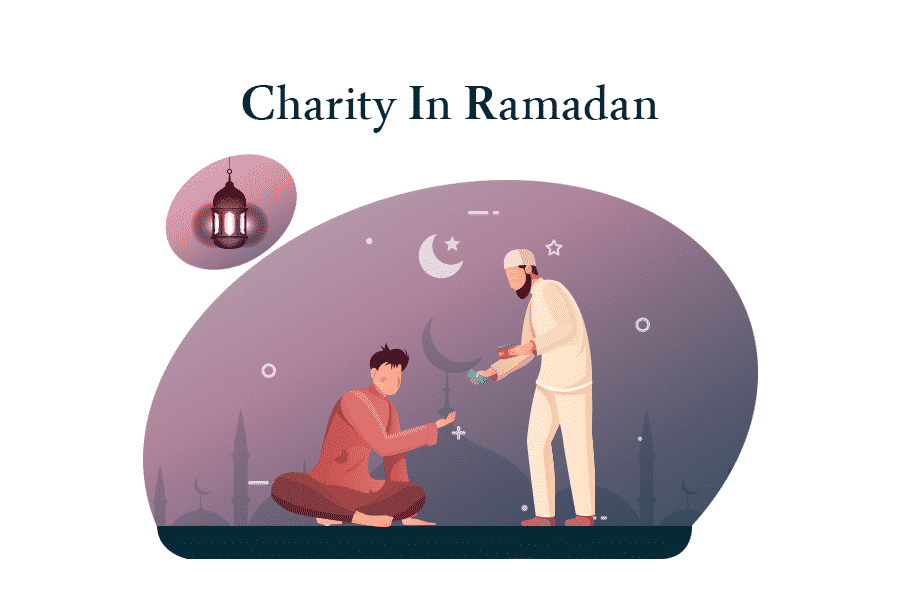
Generosity is a hallmark of Ramadan, echoing the meaning behind the greeting Ramdan Karim. Muslims are encouraged to support those less fortunate, engage in voluntary charity, and practice acts of kindness. This emphasis on generosity is not limited to material wealth but includes time, knowledge, and emotional support. The Quran frequently reminds believers of the rewards associated with giving and assisting others, especially during the blessed month of Ramadan.
Compassion during Ramadan extends to all forms of life, fostering a community-centered mindset. Acts of kindness, whether through sharing a meal, offering guidance, or assisting the vulnerable, create a ripple effect of mercy and empathy. Practicing charity with a sincere heart amplifies spiritual growth, reinforcing the essence of Ramdan Karim as a month not only of personal reflection but also of communal benevolence.
Nightly Prayers and Quran Recitation
Engaging in nightly prayers, including Taraweeh, deepens the spiritual experience of Ramadan. These prayers provide a structured time for reflection, recitation of the Quran, and contemplation of Allah’s guidance. Consistency in nightly prayers helps reinforce the lessons of the day, strengthens discipline, and enhances connection with the divine. In 2025–2026, many Muslims also participate in virtual Quran study sessions, expanding the reach of spiritual education and community engagement.
Quran recitation during Ramadan is particularly emphasized, as the month commemorates the revelation of the Quran. Believers are encouraged to reflect on the meanings, internalize lessons, and apply them in their daily conduct. The combination of fasting, prayer, and reflection creates a holistic spiritual environment, making the greeting Ramdan Karim not just a phrase but a representation of mindful practice and devotion.
Maintaining Spiritual Momentum Beyond Ramadan
While Ramadan offers a concentrated period of spiritual growth, sustaining its benefits throughout the year is equally important. Habits cultivated during the month, such as regular prayer, mindfulness, and charity, should continue in daily life. Reflecting on the lessons learned and setting intentions for ongoing improvement ensures that the spiritual gains are not temporary.
Ramdan Karim reminds believers that generosity, kindness, and devotion are not confined to a single month. The discipline, empathy, and reflection developed during Ramadan serve as a foundation for lifelong spiritual development. Maintaining momentum includes continuing Quran recitation, supporting charitable causes, and nurturing ethical behavior in all interactions. By internalizing these lessons, the essence of Ramadan extends well beyond the fasting period.
Modern Relevance of Ramadan Greetings
In 2025 and 2026, Ramadan greetings hold additional significance in a globally connected world. Sharing Ramdan Karim with friends, family, and colleagues serves as a bridge of understanding, respect, and shared spiritual intention. Digital platforms allow for broader communication, but the intention behind the greeting remains central. A sincere wish carries spiritual impact, reminding both sender and receiver of the sacredness of the month.
Cultural differences may influence the specific greetings used, but the underlying principle of goodwill and prayer for spiritual growth remains universal. Educating communities about the meaning and etiquette of Ramadan greetings strengthens interfaith respect and enhances communal harmony. Thoughtful use of greetings fosters an environment where spiritual values are appreciated and practiced consciously.
Common Misconceptions About Ramadan Greetings
Many misconceptions surround greetings such as Ramdan Karim and Ramadan Mubarak. Some believe that saying “Ramadan Kareem” implies that the month itself is generous, rather than Allah. Others are unsure if non-Muslims can participate in exchanging greetings. Clarifying these misconceptions is important for accurate practice. Islamic scholars emphasize that intention matters more than the specific wording, and that educating others about these nuances reflects the wisdom and teachings of the Quran and Sunnah.
Addressing misconceptions also involves guiding the younger generation and newcomers to Islam. By explaining the spiritual and cultural contexts of greetings, believers ensure that practices remain meaningful and grounded in authentic teachings. This approach strengthens community understanding and preserves the integrity of Ramadan observances in contemporary society
Read More : https://theorbitquran.com/the-first-ashra-of-ramadan-is-mercy-for-the-heart-and-soul/
Fostering Reflection and Self-Improvement
Ramadan encourages believers to engage in introspection and self-improvement. The greeting Ramdan Karim can act as a gentle prompt to consider personal habits, moral conduct, and spiritual goals. Reflection during this period helps identify areas for growth, encouraging actions that align with Islamic teachings. This process of self-examination fosters humility, gratitude, and a sense of accountability to Allah.
Practical application of reflection includes setting achievable goals, seeking forgiveness for past mistakes, and committing to consistent spiritual practices. By connecting greetings with reflection, believers transform simple interactions into meaningful reminders of the purpose and significance of Ramadan, nurturing both individual growth and collective consciousness.
Encouraging Community and Shared Spirituality
The communal aspect of Ramadan is essential, as believers share in fasting, prayer, and charitable acts. Greetings like Ramdan Karim strengthen these bonds by promoting mutual encouragement and support. Sharing knowledge, meals, and acts of kindness reinforces the collective spirit of the month and enhances the experience of spiritual growth.
Community engagement also includes supporting one another in daily challenges, fostering empathy, and cultivating a sense of responsibility toward others. In modern contexts, virtual communities, social media, and online religious programs provide additional opportunities for shared spiritual experiences. The greeting Ramdan Karim becomes a symbol of unity, reminding believers of the interconnectedness of faith and practice.
Navigating Ramadan Etiquette in Modern Life
Modern life presents unique challenges for observing Ramadan fully, from busy work schedules to digital distractions. Balancing personal, professional, and spiritual obligations requires mindfulness and intentional planning. Incorporating reminders such as daily reflections, maintaining structured prayer times, and prioritizing acts of kindness helps preserve the sacredness of the month. Greetings like Ramdan Karim serve as recurring prompts to align daily behavior with spiritual intentions.
By consciously integrating spiritual practices into modern routines, believers maintain the essence of Ramadan. Educating communities about respectful greetings, shared practices, and intentional observances strengthens collective adherence to Islamic principles while navigating contemporary life. This balance ensures that the month remains spiritually enriching and relevant in the current era.
Sustaining Ethical Behavior and Generosity
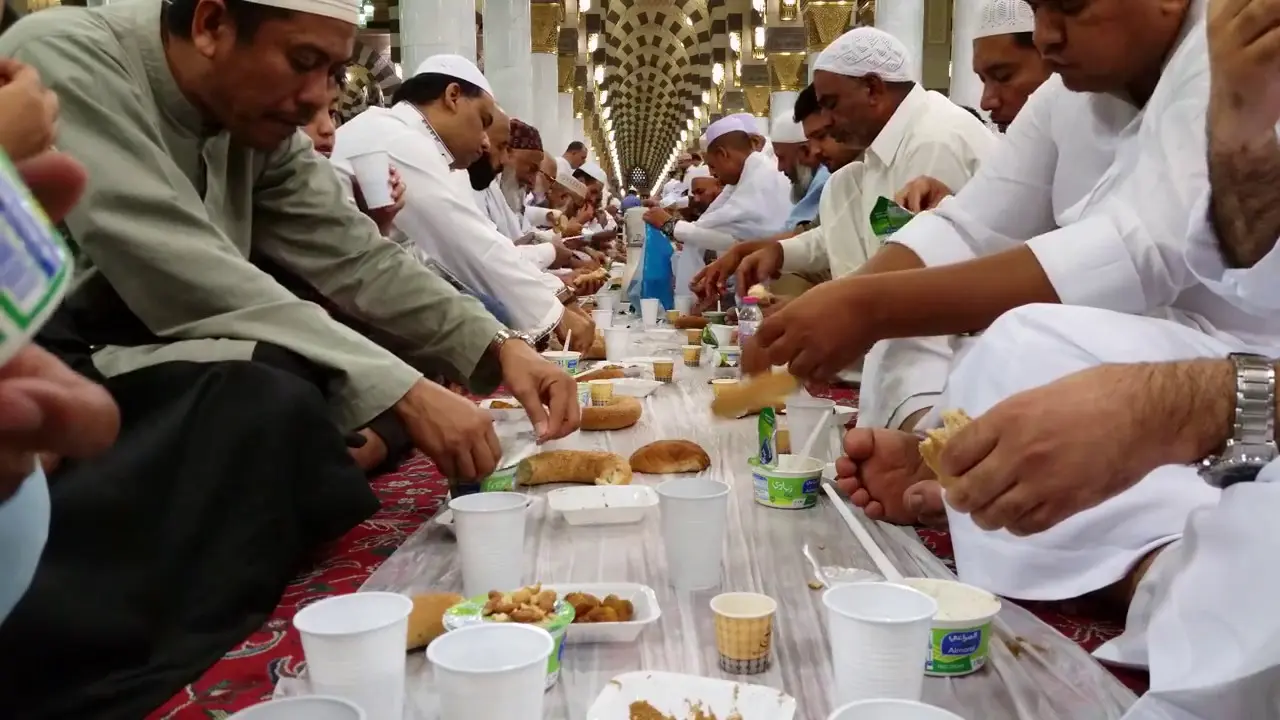
Ramadan emphasizes ethical conduct, self-restraint, and generosity. The teachings encourage believers to act with integrity, treat others with respect, and approach life with compassion. Greetings such as Ramdan Karim reinforce these values by reminding both the sender and receiver of the principles that define the month. Practicing these lessons consistently contributes to personal development and strengthens communal trust.
Sustaining ethical behavior also includes thoughtful engagement with others, avoidance of harmful speech or actions, and proactive support of those in need. Generosity during Ramadan goes beyond material contributions, encompassing time, guidance, and empathy. By embodying these principles, believers reflect the true spirit of Ramadan, ensuring that the month’s lessons endure long after its conclusion.
Integrating Ramadan Lessons Into Daily Life
The ultimate purpose of Ramadan extends beyond the month itself. Believers are encouraged to integrate lessons learned into daily life, reinforcing spiritual growth and ethical conduct. Daily reflection, prayer, and acts of kindness become habitual, fostering a continuous connection with Allah and enhancing personal development. Greetings such as Ramdan Karim act as reminders of these ongoing commitments, inspiring consistent practice throughout the year.
Practical integration includes maintaining mindfulness in speech and actions, prioritizing charity and community engagement, and seeking continuous self-improvement. By applying the principles of Ramadan year-round, believers ensure that the blessings, insights, and spiritual benefits of the month are sustained, contributing to a lifelong journey of faith, reflection, and devotion.
Gentle Reminders for Mindful Celebration
Celebrating Ramadan thoughtfully involves balancing joy, gratitude, and spiritual intention. While communal festivities and shared meals are valuable, they should not overshadow the spiritual core of the month. Greetings like Ramdan Karim offer opportunities to reinforce mindfulness and devotion, gently encouraging reflection, gratitude, and adherence to ethical principles. In modern contexts, the emphasis on intention helps prevent superficial observance and fosters a meaningful spiritual experience.
Mindful celebration also includes supporting those who may face challenges during the month, such as the ill or the needy. Sharing knowledge, guidance, and support strengthens the sense of community and ensures that the month’s blessings are shared equitably. By embedding mindfulness into daily interactions and celebrations, believers maintain the sanctity and purpose of Ramadan.
Read More : https://theorbitquran.com/
Maintaining Consistency With Spiritual Intent
Consistency in spiritual practice is vital for maximizing the benefits of Ramadan. Establishing daily routines, prioritizing worship, and engaging in reflective practices strengthen the connection to Allah and cultivate personal growth. Greetings such as Ramdan Karim serve as gentle reminders to uphold these routines and intentions. In 2025 and 2026, the importance of intentional, consistent practice is emphasized as Muslims navigate complex and fast-paced lives.
Maintaining consistency includes regular Quran recitation, structured prayer times, acts of charity, and mindful behavior. By embedding these practices into daily life, believers sustain the transformative effects of Ramadan, ensuring that spiritual growth is ongoing. The greeting Ramdan Karim becomes a touchstone, reinforcing both personal and communal commitment to living in accordance with divine guidance.
Encouraging Reflection and Hope for the Coming Year
Ramadan offers a chance to reflect on the past and set intentions for the future. Greetings such as Ramdan Karim carry subtle encouragement to embrace hope, seek forgiveness, and renew spiritual commitments. As Muslims enter 2025 and 2026, the lessons of Ramadan guide daily behavior, moral choices, and ethical conduct. Reflection nurtures a sense of gratitude, resilience, and purpose, fostering ongoing personal and communal growth.
By thoughtfully engaging with Ramadan practices and greetings, believers develop a deeper understanding of their faith and its application in modern life. The essence of Ramdan Karim transcends mere words, becoming a meaningful expression of prayer, encouragement, and spiritual intention that continues to influence behavior throughout the year.
Embracing the True Spirit of Ramdan Karim
The greeting Ramdan Karim reflects more than tradition; it embodies the principles of generosity, reflection, and devotion. In 2025 and 2026, embracing the true spirit of Ramadan involves mindful fasting, increased prayer, ethical conduct, and sincere charity. By aligning greetings with spiritual practice, believers reinforce the core values of the month and inspire others to do the same. This approach transforms casual interactions into opportunities for growth, reflection, and communal harmony.
Mindfulness, sincerity, and intentionality ensure that the message of Ramdan Karim resonates beyond simple words. The greeting becomes a reminder of the month’s blessings, responsibilities, and spiritual potential, encouraging a holistic approach to devotion and reflection.
Thoughtful Reflections for Spiritual Growth
Ramadan offers an unparalleled opportunity for self-improvement, ethical refinement, and spiritual enrichment. Through fasting, prayer, reflection, and acts of kindness, believers cultivate habits that shape their character and enhance their relationship with Allah. Greetings like Ramdan Karim remind us of these opportunities and encourage continuous spiritual growth, fostering a mindful approach to life and faith.
By embracing the teachings of the Quran and Sunnah, practicing ethical behavior, and maintaining consistent spiritual routines, Muslims can sustain the transformative effects of Ramadan. Thoughtful reflection, intention, and engagement with the sacred principles of the month ensure that the lessons learned endure well beyond the holy period.
Final Thoughts on Ramadan and Spiritual Intention
Ramdan Karim represents both a greeting and a spiritual reminder. It calls us to reflect on our relationship with Allah, engage in meaningful practices, and share blessings with others. By approaching Ramadan with sincerity, mindfulness, and ethical intent, believers can experience profound personal growth and strengthen communal ties. In 2025 and 2026, the lessons of Ramadan remain timeless, guiding Muslims toward reflection, generosity, and devotion that resonate far beyond the fasting month. As we greet each other with Ramdan Karim, let it serve as a gentle nudge to embrace hope, nurture the soul, and live in accordance with the teachings of the Quran, seeking mercy, forgiveness, and spiritual excellence throughout the year.
Enroll Now : https://theorbitquran.com/contact-us/
FAQ Section
What does Ramdan Karim mean
Ramdan Karim means Generous Ramadan. The word Karim means generous or noble. Some scholars explain that the generosity is not from the month itself, but from Allah who gives mercy, forgiveness, and reward in this month. So when someone says Ramdan Karim, it is a prayerful expression hoping that Allah showers you with blessings during Ramadan.
What is the meaning of Ramadan Kareem
Ramadan Kareem carries the same meaning as Ramdan Karim. It reflects the idea that Ramadan is filled with generosity in worship, mercy, and reward. Many Muslims use this greeting culturally. However, some scholars prefer saying Ramadan Mubarak because it directly means Blessed Ramadan. Both are commonly used with good intention.
Why do we say Ramadan Mubarak
We say Ramadan Mubarak to wish someone a blessed month. Mubarak means blessed. It is a dua asking Allah to make the month full of goodness, forgiveness, and acceptance for the person. It reminds both the speaker and the listener that Ramadan is not only about fasting but about spiritual growth and drawing closer to Allah.
What is the origin of Ramadan Mubarak
The phrase Ramadan Mubarak comes from Arabic language tradition where people greet one another with blessings during special times. Early Muslims would congratulate each other when Ramadan arrived. The meaning connects with the Quranic description of Ramadan as a month of guidance and mercy.
Is it good to say Ramadan Kareem
Many Muslims say Ramadan Kareem with sincere intention. Scholars have different views. Some allow it because the month is filled with generosity from Allah. Others prefer Ramadan Mubarak to avoid confusion. What matters most is the intention and respect behind the greeting.
What is the difference between Ramadan Kareem and Ramadan Mubarak
Ramadan Mubarak means Blessed Ramadan. Ramadan Kareem means Generous Ramadan. Mubarak focuses on blessing. Kareem focuses on generosity. Both express positive wishes for the month. The difference is mainly linguistic, and both are widely used in Muslim communities.
How do I wish Ramadan Mubarak
You can simply say Ramadan Mubarak or Ramdan Karim. You may also add a personal prayer such as May Allah accept your fasting and forgive your sins. Keep your words sincere and kind. The greeting should reflect care and encouragement for spiritual success.
How do you wish someone for Ramadan in English
You can say Happy Ramadan, Ramadan Mubarak, or Wishing you a blessed Ramadan. It is also beautiful to include a short prayer asking for peace, mercy, and guidance. The focus should be on spiritual growth rather than celebration alone.
What is a respectful Ramadan greeting
A respectful greeting includes sincerity and awareness of the sacred nature of the month. Ramadan Mubarak is widely considered respectful. Adding a dua for acceptance of fasting and prayers makes it even more meaningful.
How do you respond to Ramadan Kareem
You can reply with Ramadan Mubarak to you too or May Allah bless you and your family. Returning the greeting with kindness and prayer reflects good character and strengthens bonds between believers.
Can non Muslims say Happy Ramadan
Yes, non Muslims can say Happy Ramadan or Ramadan Mubarak as a gesture of respect and kindness. It shows understanding and goodwill. Many Muslims appreciate thoughtful greetings from friends and colleagues.
Do you say Happy Eid or Happy Ramadan
Ramadan refers to the month of fasting. Eid refers to the celebration at the end of Ramadan. During the month, people say Ramadan Mubarak or Ramdan Karim. On Eid day, they say Eid Mubarak.
What is forbidden during Ramadan
During Ramadan, Muslims must avoid eating and drinking from dawn to sunset. They must also avoid sinful behavior such as lying, gossiping, and harming others. Fasting includes controlling the tongue, eyes, and actions, not just the stomach.
Can I kiss my girlfriend in Ramadan
Physical intimacy is only allowed within marriage in Islam. During fasting hours, married couples must avoid intimate acts. Outside of marriage, physical relationships are not permitted in Islam at any time, including Ramadan.
Is it haram to say OMG
Muslims are encouraged to speak respectfully about Allah at all times. Using expressions that may seem careless or disrespectful should be avoided. It is better to say SubhanAllah or Ya Allah with sincerity and awareness. Ramadan is a good time to improve speech habits.